这种未受节制的热排放引发了周遭居民、环保倡议者与地方官员的强烈反弹,加剧了民众对水电资源过度消耗与生态破坏的担忧。全美各地越来越多资料中心开发案因此遭到推迟、取消甚至面临诉讼,例如犹他州原本规划的超大型资料中心在各方抗议下被迫大幅缩小规模,迫使各级政府开始审查并研拟收紧相关审批标准与暂缓法令。
面对升温危机与政治阻力,科技业者与研究机构正积极探索散热改善与废热回收方案。尽管欧洲已广泛利用区域能源网络将资料中心废热导向供暖系统,美国仍受限于廉价天然气及基础建设不足而推展缓慢,但各界已著手从调整冷却架构、引入绿化洒水冷却,到评估法规强制回收机制,试图在推动 AI 发展的同时化解排热难题。
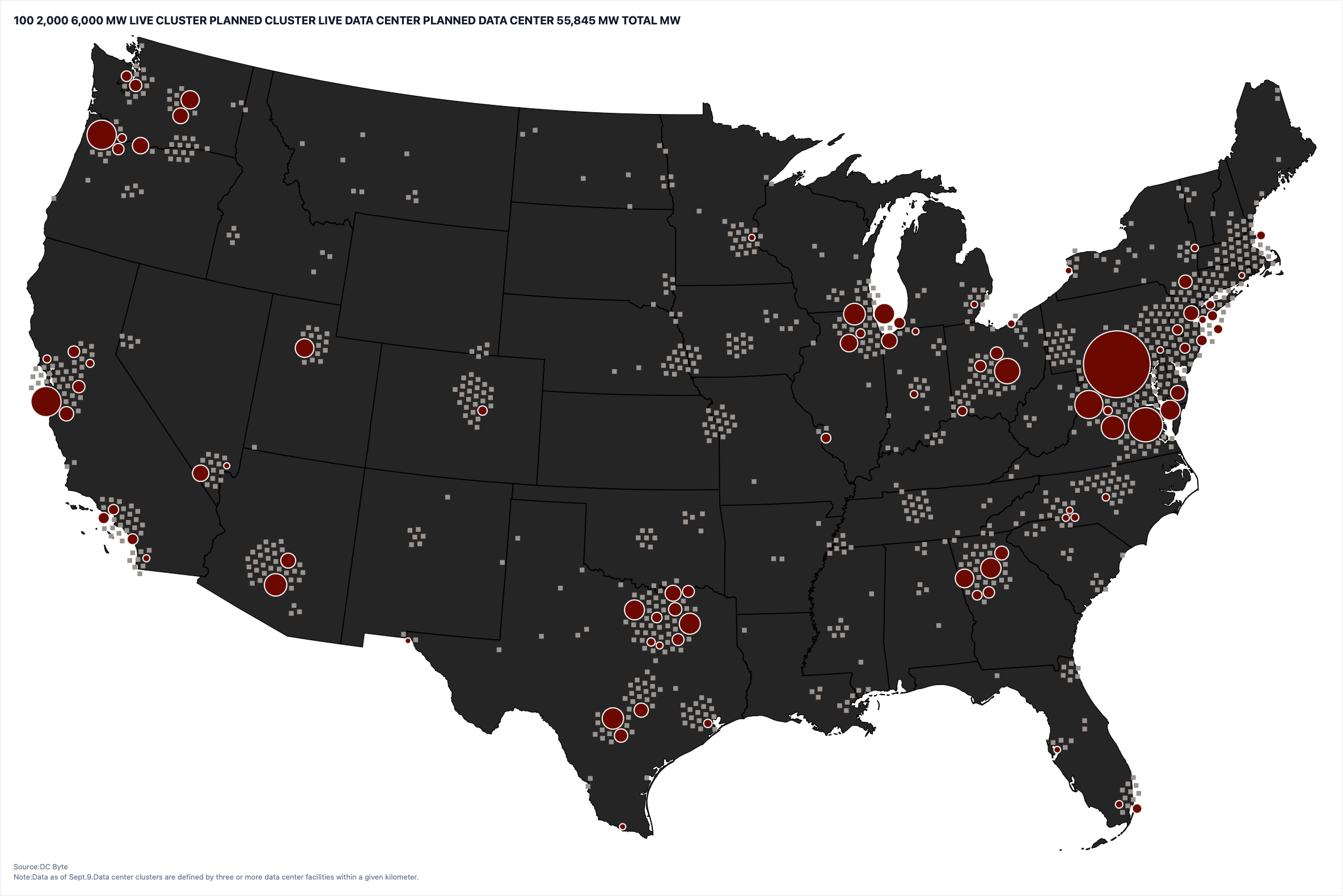
As artificial intelligence capabilities expand rapidly, the power consumption of AI data centers has increased exponentially, converting virtually all consumed electricity into thermal energy that is vented into the surrounding atmosphere. Studies reveal that superheated exhaust plumes emitted from rooftop cooling units can travel hundreds of meters downwind, raising neighborhood temperatures by several degrees and worsening urban heat island effects, particularly in areas already facing extreme heat.
These escalating thermal emissions have triggered substantial public and regulatory backlash, compounding existing community grievances over massive land, water, and power consumption. Across the United States, dozens of major data center projects have faced delays, legal challenges, or outright cancellations—such as a proposed mega-scale facility in Utah that was drastically downsized—prompting lawmakers to introduce moratoriums and reconsider zoning and environmental evaluation standards.
In response to community resistance and cooling bottlenecks, developers and researchers are exploring alternative heat mitigation and reuse strategies. While Europe actively leverages district energy networks to redirect waste heat into residential and commercial heating systems, adoption in the United States remains hindered by cheap natural gas and a lack of thermal infrastructure, though new legislative review mandates and architectural innovations are beginning to emerge.