生成式人工智能正对经历过流媒体阵痛后刚刚恢复元气的音乐产业掀起新一轮剧烈冲击。流媒体平台上充斥着大量被称为“数字垃圾”的机器生成曲目,例如Deezer平台每天接收约90,000首完全由机器制作的歌曲,占其上传总量的一半;全球最大的流媒体平台Spotify在过去一年中下架了多达7500万首涉嫌刷取版税的欺诈性曲目。生成门槛的断崖式下降引发了版权领域的巨大法律争议,并在资本市场上引发了对环球音乐集团(UMG)和华纳音乐集团(WMG)等上市巨头长期增长前景的深切担忧。
各大音乐巨头在应对估值达54亿美元(占WMG约147亿美元市值的逾三分之一)的AI音乐初创公司Suno时采取了截然不同的策略。今年9月,UMG与索尼音乐联手追加诉讼,指控Suno未经授权窃取了60,000多首受版权保护的录音进行模型训练,依据美国版权法索赔单曲最高达15万美元的法定赔偿金;而Suno坚称学习音乐风格属于“合理使用”。与坚决诉讼形成鲜明对比的是,华纳音乐选择与Suno达成和解并签署授权协议,促成Suno推出专为获得授权音乐训练的v6模型,使WMG成为业内首批在本财年实现真金白银AI版权变现的唱片巨头。
唱片公司与流媒体平台正试图将AI技术引向高变现潜力的“超级粉丝”共创经济。Spotify估计各平台目前每月产生高达10亿次未经许可的混音播放,正与UMG及ElevenLabs合作将这一非正规市场合规化。UMG测算显示,20%至30%的流媒体订阅用户愿意支付高达当前两倍的月费以使用AI驱动的粉丝共创功能。尽管UMG希望吸引旗下1000名艺术家签约参与AI重混授权,但目前尚无一线顶级巨星明确公开入驻,行业高管试图借助AI维持超级明星稀缺性并牢牢控制创作准入门槛的防御性设想,仍面临去中心化碎片化的巨大挑战。
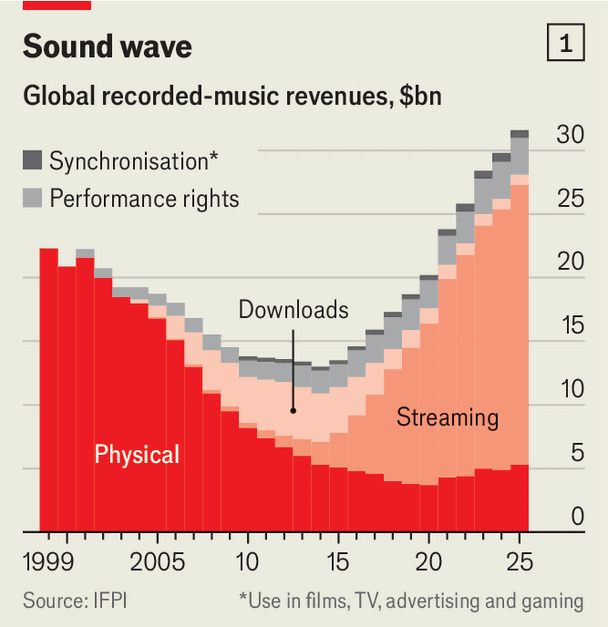
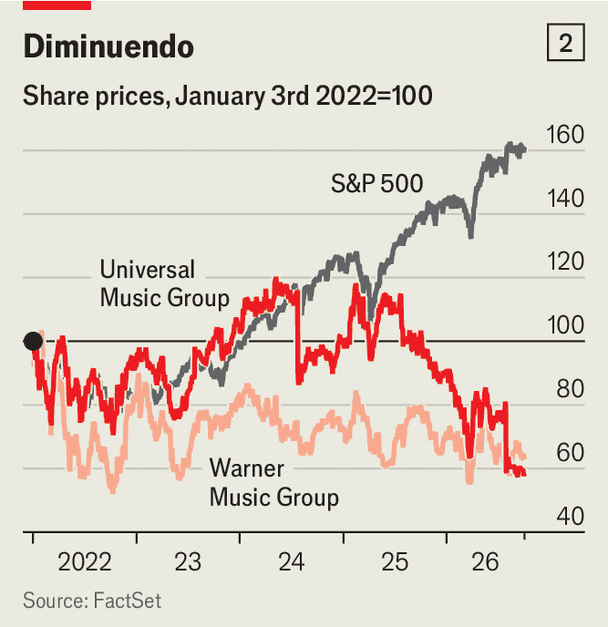
Generative artificial intelligence is triggering widespread disruption across the music industry, following a painful two-decade recovery from the file-sharing era. Streaming platforms are inundated with synthetic content: Paris-based Deezer reports receiving roughly 90,000 fully machine-generated tracks daily—accounting for half of its total uploads—while market leader Spotify removed 75m fraudulent spam tracks over the past year. As entry barriers collapse, investors have grown cautious, dragging down share valuations of industry giants like Universal Music Group (UMG) and Warner Music Group (WMG).
The industry is starkly divided in its confrontation with Suno, a four-year-old AI music startup valued at $5.4bn (exceeding a third of WMG’s $14.7bn market capitalization). In September, UMG and Sony Music escalated joint copyright litigation accusing Suno of unlawfully ingesting over 60,000 protected sound recordings into its algorithms, pursuing statutory damages up to $150,000 per infringed work, while Suno defends its actions under fair use doctrine. Conversely, WMG opted for an expedient legal settlement, partnering with Suno to launch its v6 models trained strictly on licensed repertoire, enabling WMG to book immediate commercial AI licensing revenue during the current financial year.
Simultaneously, major labels and streamers are pivoting toward monetizing AI-assisted "superfan" co-creation. Spotify estimates that unlicensed user remixes currently generate 1bn monthly streams across various platforms, prompting licensing pacts with UMG and ElevenLabs to formalize commercial distribution. UMG projects that 20% to 30% of existing streaming subscribers would pay up to double their current subscription fees for premium interactive AI tools. However, while UMG aims to enroll 1,000 artists, no marquee superstars have formally signed up, raising doubts over whether defensive commercial alliances can successfully preserve superstar scarcity in an increasingly fragmented, AI-driven audio landscape.
Source: Record labels are in a spin over AI music
Subtitle: Should they fight upstart labs, or co-operate with them?
Dateline: Oct 8th 2026\n