特朗普加大对他国,尤其是欧洲盟友的施压,要求协助美国重开霍尔木兹海峡,并以推迟与习近平会晤作为对中国的威胁。他强调受益国家应承担责任,并警告若回应消极将影响北约未来。中国对中东石油依赖被突出,而其原定本月底的北京行程被指“为时已晚”。他还暗示各国参与成本“非常小”,并对英国表态将“记住”其支持与否。
冲突持续升级且缺乏终局迹象,以色列扩大在黎巴嫩行动,伊拉克民兵预示新一轮针对美国及外国目标的攻击。油价显著上升,布伦特原油已超过每桶105美元。五角大楼估计对伊战争可能持续4至6周,显示军事行动具有中短期时间框架,但市场与地缘风险已迅速反映在能源价格中。
各国协助动机有限,伊朗称封锁仅针对“敌对”船只,同时仍有液化石油气油轮通行,尽管该航道通常承担全球约20%的石油运输。美国可能遭到拒绝:澳大利亚排除派遣军舰,日本暂无部署计划,中国谴责战争且其部分能源运输未受阻。欧洲盟友亦持观望态度,部分原因在于此前美国提出吞并格陵兰的争议性言论削弱信任。
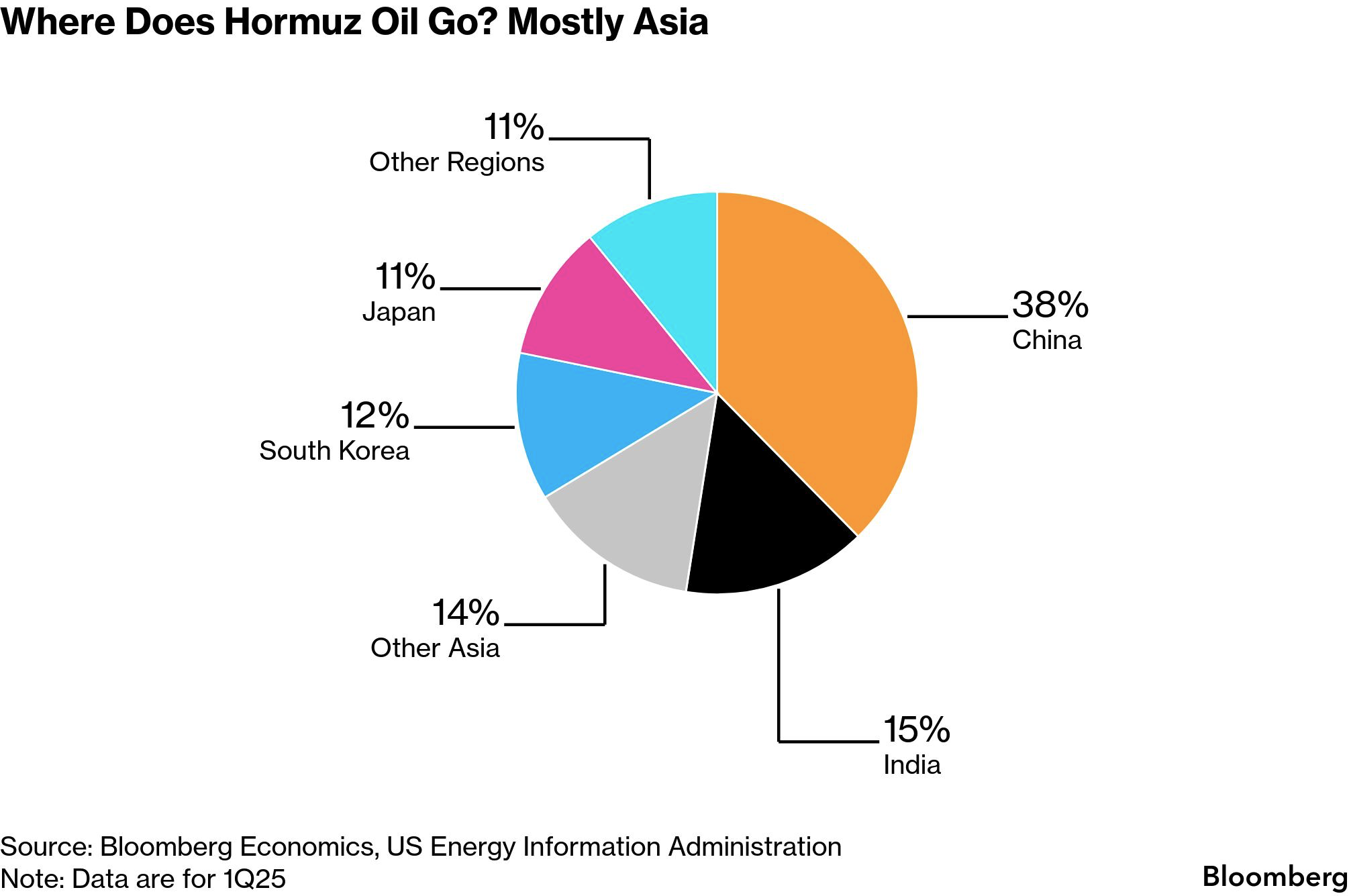
Donald Trump is intensifying pressure on other nations, especially European allies, to assist the US in reopening the Strait of Hormuz, while threatening to delay a summit with Xi Jinping if China refuses. He argues beneficiary countries should contribute and warns that negative responses could harm NATO’s future. China’s reliance on Middle Eastern oil is emphasized, and his planned Beijing trip at month’s end is deemed “too late.” He characterizes participation as a “very small endeavor” and signals the US will remember the UK’s level of support.
The conflict is escalating without a clear endpoint, with Israel expanding operations in Lebanon and Iraqi militias signaling a new phase of attacks on US and foreign targets. Oil prices are rising sharply, with Brent crude exceeding $105 per barrel. The Pentagon estimates a potential Iran war duration of four to six weeks, indicating a defined short-term military horizon while market and geopolitical risks are already reflected in energy pricing.
Incentives for international assistance remain low, as Iran states restrictions apply only to “enemy” vessels, and some LPG tankers continue transit despite the strait typically carrying about 20% of global oil supply. The US is likely to face refusal: Australia has ruled out naval deployment, Japan has no current plans, and China condemns the war while its shipments still pass. European allies remain cautious, partly due to diminished trust following prior US threats to annex Greenland.