关键人口与行为数据表明退休模式正在重构:英国预期寿命约80岁,对比19世纪德国约43岁,传统65岁退休意味着20–30年无收入期。Aegon对15国16,000人调查显示,51%希望保持参与和心理活跃,近60%希望渐进退休,但仅约三分之一能实现。约90%的美国劳动者将领取社会保障,强化了长期财政压力与延迟退出劳动力市场的趋势。
企业与劳动力结构出现适应性变化:企业通过“回归计划”、50岁以上招聘和灵活工时吸纳老年员工,反映劳动力短缺与经验价值的再评估。个体层面,多数老年人选择兼职或咨询而非完全停止工作,维持认知活动与部分收入。国家层面,日本将社保领取年龄从60岁提高至65岁,新加坡为40岁以上提供技能补助,显示制度正向延迟退休与再培训倾斜。
Boom Radio案例提供定量验证:创立资金约30万英镑(约50万美元),2021年上线,5年内月听众超过100万,并扩展出2个衍生电台。创始人年龄集中在60岁以上,体现高龄生产力。个体层面,65岁创始人仍每周工作7天,显示劳动供给未因年龄显著下降。整体趋势指向:人口老龄化与寿命延长推动劳动参与率在高龄段上升,并重塑退休为渐进而非离散事件。
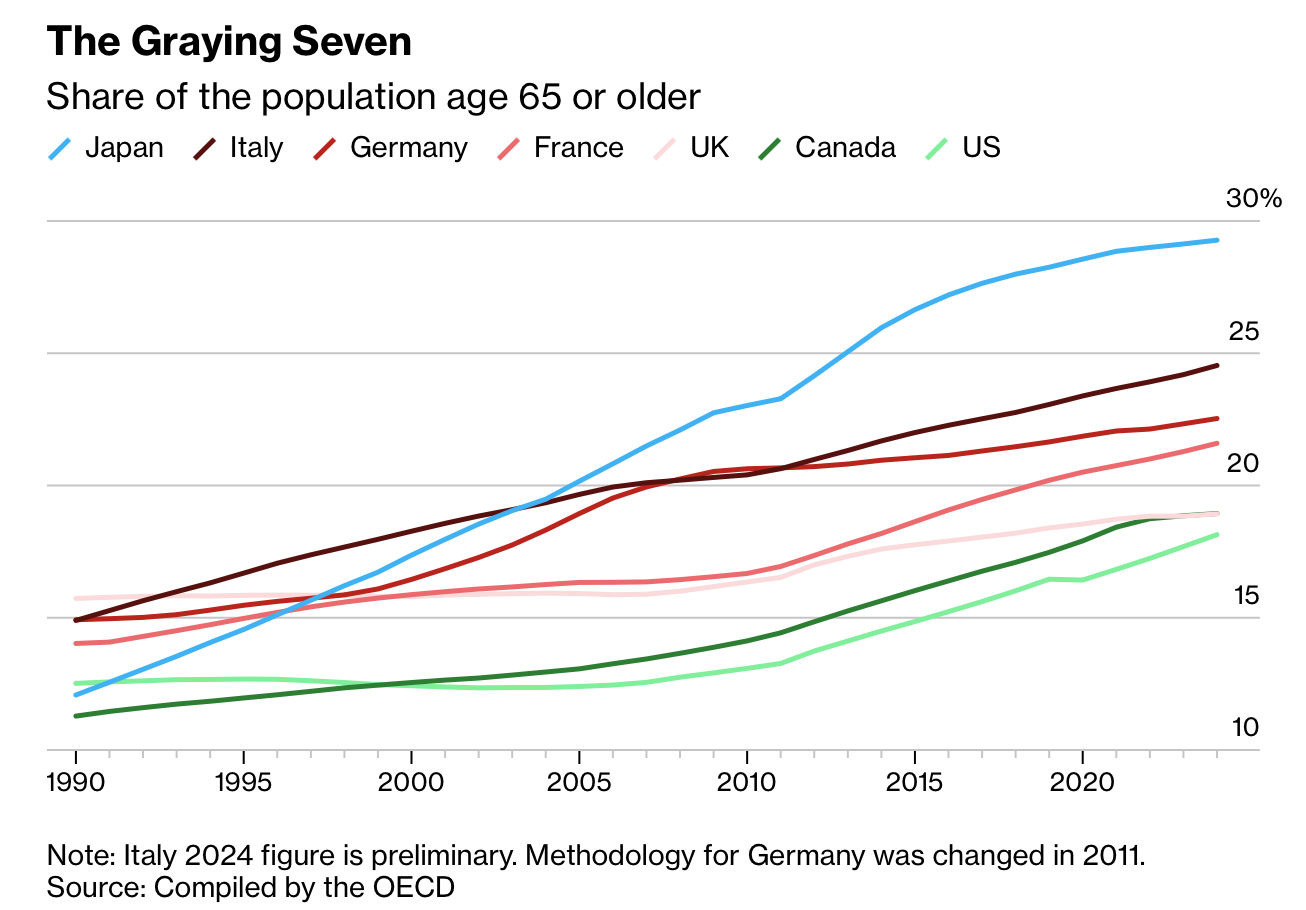
Demographic and behavioral data indicate a restructuring of retirement: UK life expectancy is about 80 versus roughly 43 in 19th-century Germany, making retirement at 65 imply 20–30 years without income. An Aegon survey of 16,000 people across 15 countries shows 51% want continued engagement and mental activity, nearly 60% prefer gradual retirement, yet only about one-third achieve it. Around 90% of US workers will collect Social Security, reinforcing long-term fiscal pressure and delayed labor exit.
Firms and labor structures are adapting: companies use returnships, hire workers over 50, and offer flexible hours, reflecting labor shortages and revaluation of experience. At the individual level, most older adults shift to part-time or consulting rather than stopping entirely, maintaining cognitive engagement and partial income. At the policy level, Japan raised pension eligibility from 60 to 65, and Singapore offers training grants to those over 40, indicating systemic shifts toward delayed retirement and reskilling.
The Boom Radio case provides quantitative validation: startup capital was about £300,000 (around $500,000), launched in 2021, and within five years exceeded 1 million monthly listeners and expanded into two additional stations. Founders are largely over 60, demonstrating late-life productivity. Individually, a 65-year-old founder still works seven days a week, indicating labor supply does not sharply decline with age. The overall trend shows aging populations and longer lifespans increasing older-age labor participation and transforming retirement into a gradual rather than discrete event.