中国人民银行多次释出无意重启大规模放贷的信号,并将政策重点转向提高现有资金的使用效率。尽管政府债券发行回温,但家庭与企业在房地产危机后对新增债务态度审慎,导致信贷需求极为疲软。储蓄虽大量涌入金融体系却缺乏借款人,引发市场对「流动性陷阱」与「资产负债表衰退」等风险情境的广泛担忧与讨论。
信贷增速放缓亦削弱了中国信贷脉冲作为全球大宗商品价格与经济景气领先指标的效力。过去曾占新增信贷约七成的房地产及地方隐性债务正受到严格监管与清理,同时监管层积极打击企业套利与虚假贷款行为。即便银行端透过银行承兑汇票等短期工具相互倒手粉饰放贷数据,投资人仍清楚认知当前信贷疲弱的核心症结在于实体经济的终端需求不足。
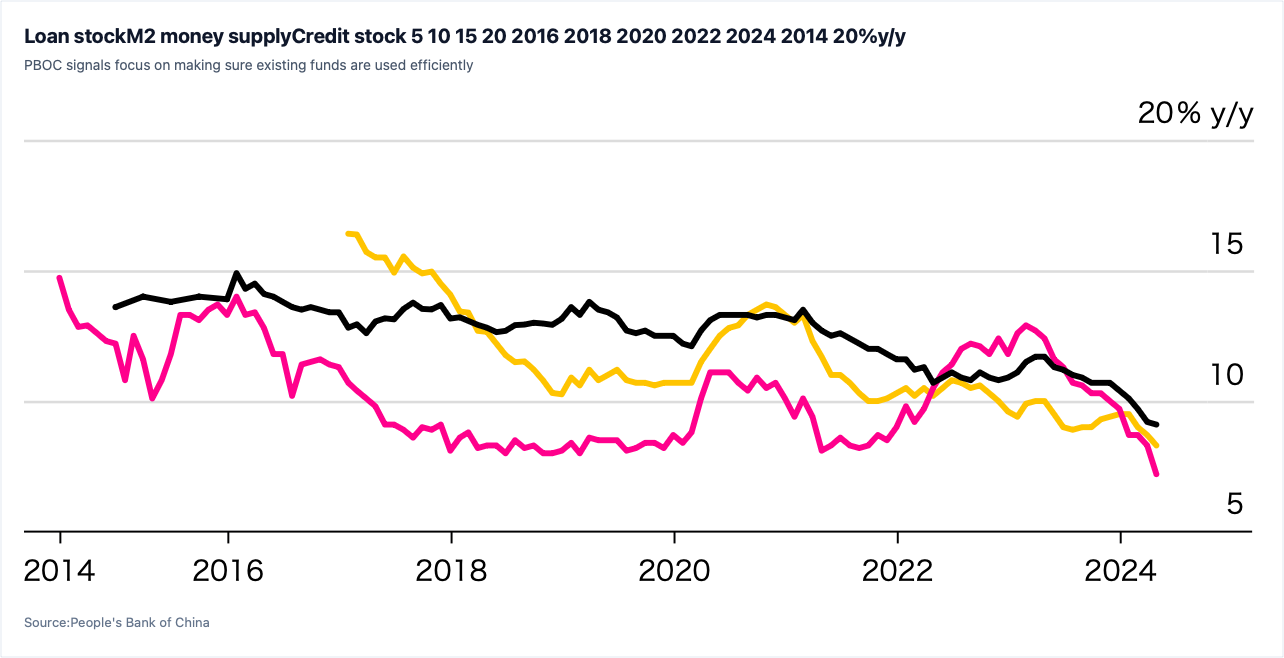
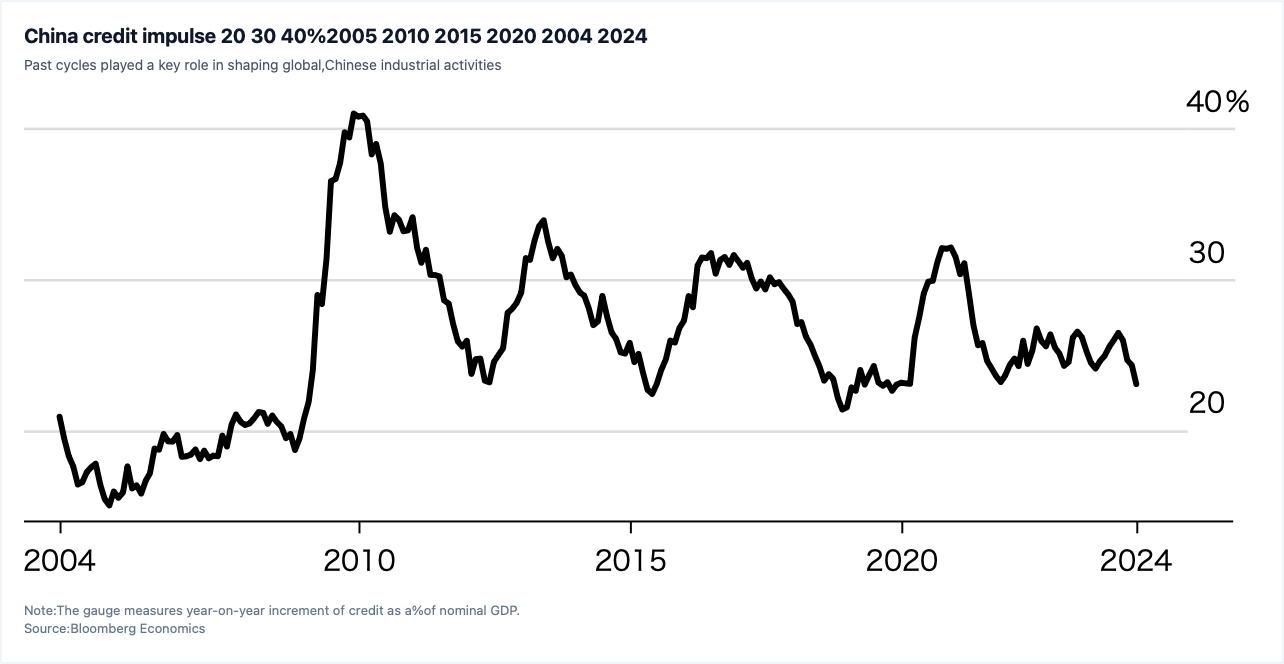
China's credit engine, which historically drove economic growth through credit-fueled property and infrastructure expansions, has entered a structural slowdown. With a persistent housing slump and already well-developed transport networks, Beijing is no longer orchestrating borrowing booms to revive growth, choosing instead to pivot toward high-tech manufacturing and other high-quality productive forces that rely far less on rapid debt expansion.
The People's Bank of China has repeatedly signaled that it will not reignite lending sprees, focusing instead on optimizing the efficiency of existing funds. Although government bond sales have picked up, households and businesses remain cautious about taking on new debt following the real estate crisis, leaving household savings trapped in the financial system without sufficient borrowers and fueling concerns over a liquidity trap or a balance sheet recession.
The slowdown in lending is detaching Chinese credit growth from its historical role as a primary leading indicator for global commodities and industrial cycles. Authorities are actively curbing local government hidden debt and property leverage, while cracking down on financial arbitrage and hollow borrowing. Even if banks inflate short-term figures via bankers' acceptances, market investors remain unimpressed, recognizing that weak credit expansion stems primarily from depressed underlying demand.