为应对技术变革,印度IT企业正试图转型,从单纯提供人力转向成为企业整合复杂AI系统的专家。尽管跨国公司在印度设立的全球能力中心(GCC)带来了部分高附加价值的工作机会,但传统外包业务的线性增长模式已被打破。这意味著未来业界在处理更多专案时,将不再需要如以往般庞大的人力资源。
尽管AI在某些地区创造了如训练机器人所需的数据标注等基层新工作,但整体科技业的招聘需求已大幅萎缩。对于每年涌入就业市场的数十万名电脑科学毕业生而言,竞争变得异常激烈。许多被裁员的IT从业人员被迫接受薪资大幅缩水的工作,传统的印度IT稳定饭碗已面临终结。
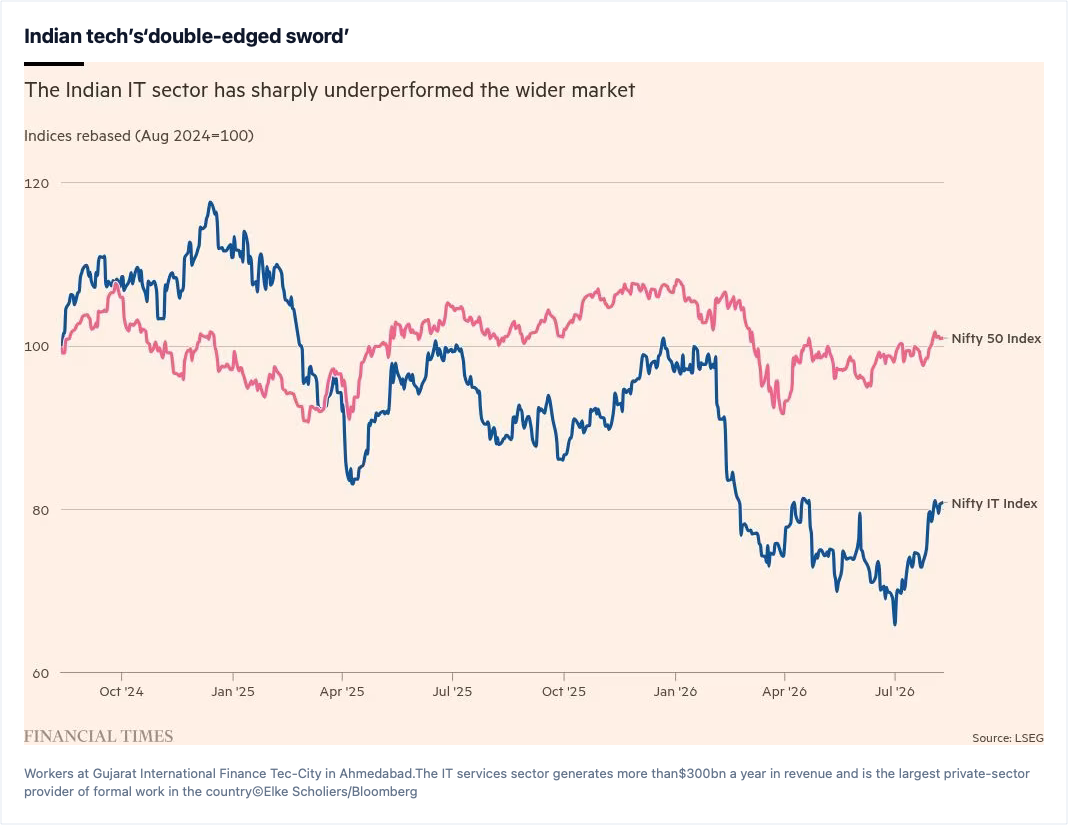
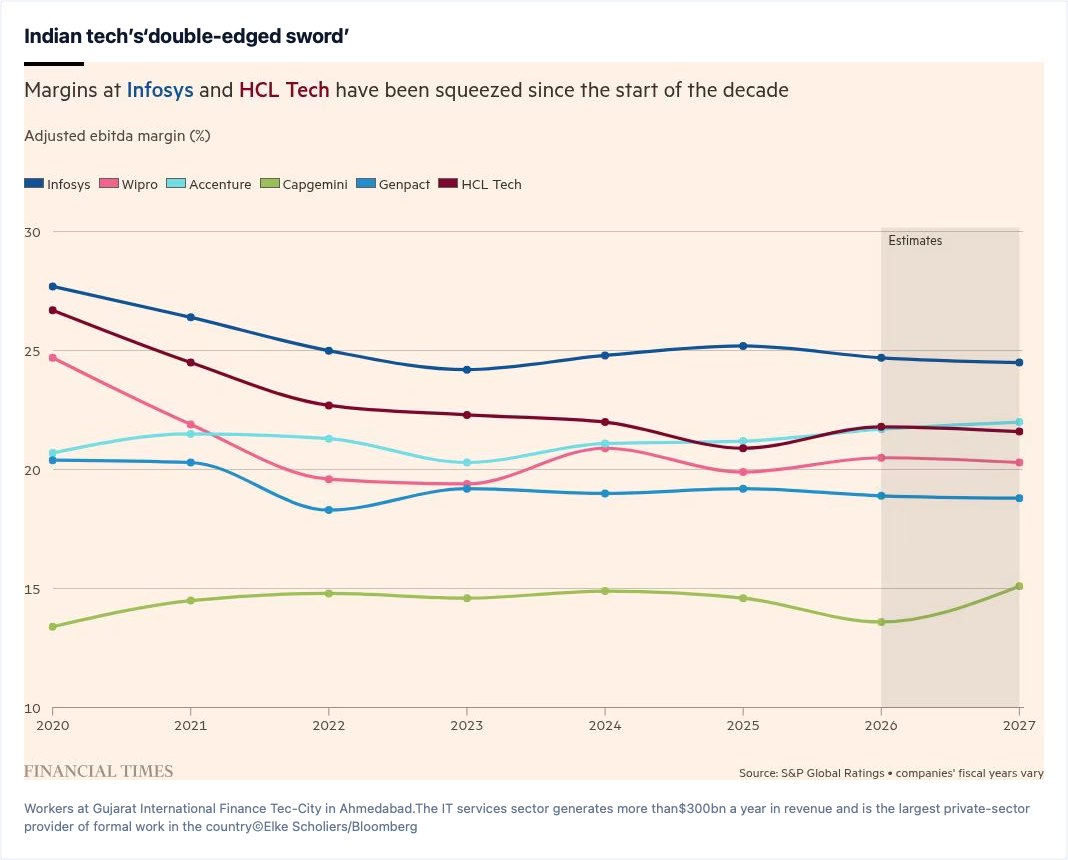
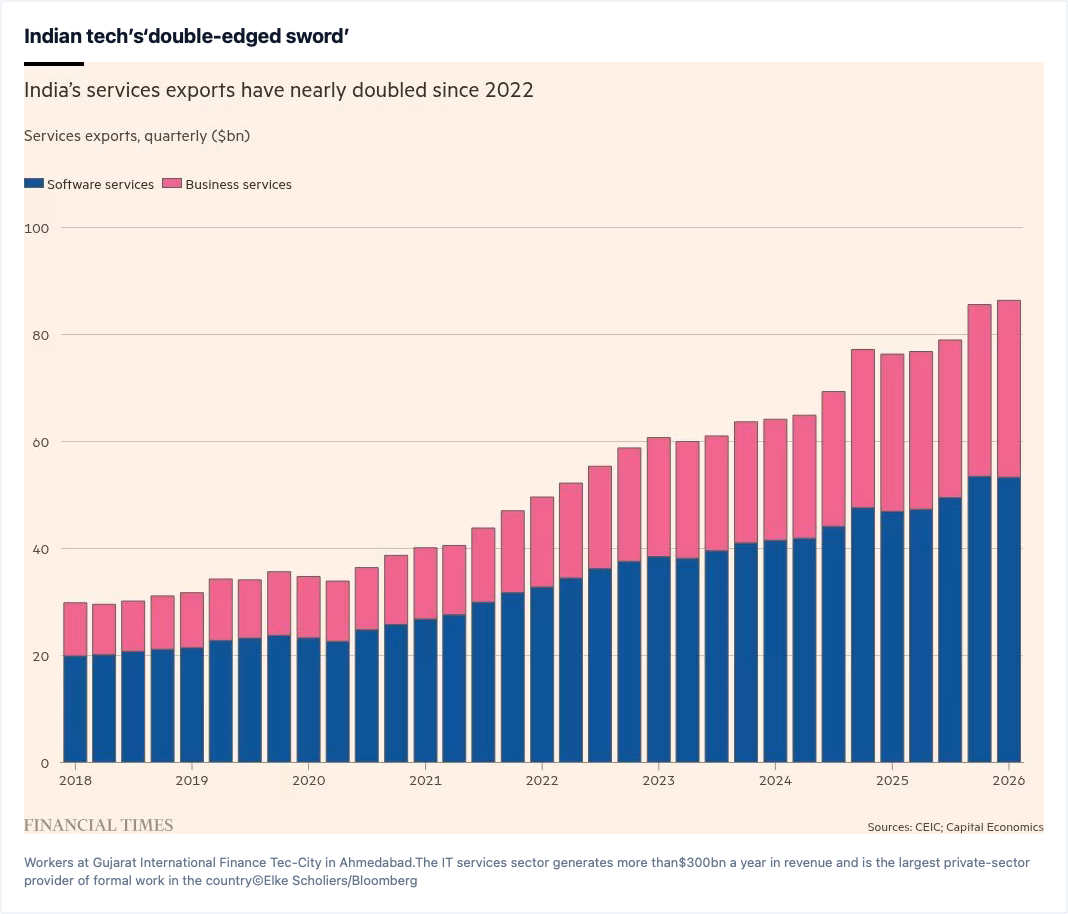
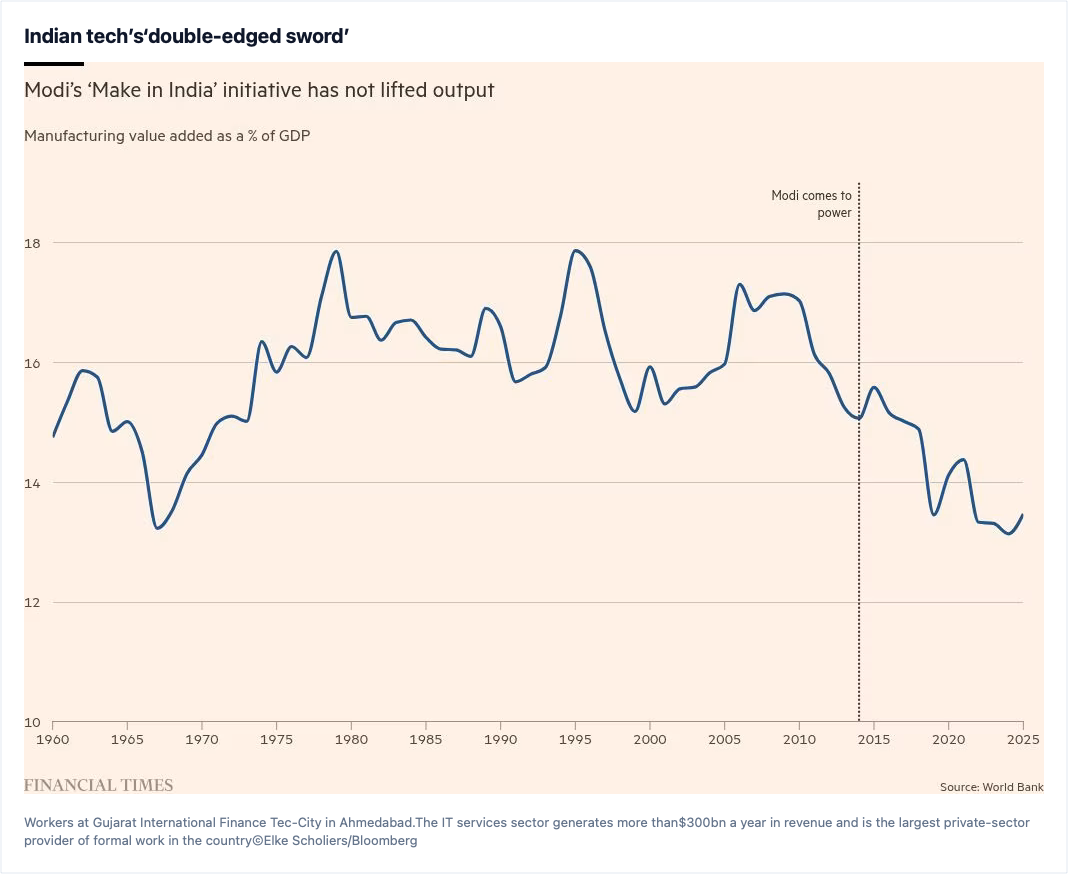
The rise of generative AI is severely impacting India's crucial IT services sector, leading to a significant job crisis for tech professionals. Many engineers who previously worked on developing these AI tools are now ironically being replaced by the very technology they helped build. This threatens not only the traditional outsourcing business model but also poses severe challenges to the Indian government's goals of creating jobs for its massive workforce and sustaining economic growth.
In response to this technological shift, Indian IT companies are attempting to pivot from simply providing manpower to becoming experts in integrating complex AI systems for businesses. Although global capability centres (GCCs) established by multinational companies in India have brought some higher-value job opportunities, the linear growth model of traditional outsourcing is broken. This means the industry will no longer need the massive human resources it once did to handle increasing workloads.
While AI has created some new entry-level jobs in certain areas, such as data annotation for training robots, overall hiring in the tech sector has shrunk drastically. For the hundreds of thousands of computer science graduates entering the job market each year, competition has become exceptionally fierce. Many laid-off IT workers are being forced to accept jobs with significantly reduced salaries, signaling the end of the traditional, secure Indian IT job.