法国的总统与议会选举时序使新一任总统难以在上任后立刻推进议政。大选后要先过12个月的政治拉锯,再要在4月投票后等到6月下旬才有新众议员,接着议会停摆三个月,7月14日后行政效率骤降,8月几乎停摆,9月又遇“秋季大罢工”周期,导致“有效可开工期”往往推迟到十月,距投票约170天。换言之,理论上的“上任后100天”几乎无法兑现,政治节奏被固化为“先热身、后空窗”模式。
文章指出,法国总统开局支持率崩塌非常快。马克龙在2017年6月上任首月支持率为64%,到10月降至42%,累计跌幅22个百分点,也就是约34.4%的跌幅;前任也曾出现早期下滑。这样的“先高后坠”意味着改革窗口一旦错过,边际空间会迅速被消耗,首百天内未达成绩效就难以再追回。
制度问题有明确数字线索:第五共和国早期若沿用12月投票、1月就职会更利于开局,但自1974年4月博比杜去世后,投票惯性落到春季;2000年又将总统任期由7年改为5年,与议会同步,结果每次总统选举几乎都触发立法重选。作者提出一个低阻力方案是提前下台:若马克龙于2027年2月离任,少约两个月,相当于仅牺牲约2%的十年任期,就能为继任者创造约100天的高密度施政窗口,并让未来总统同样受益。
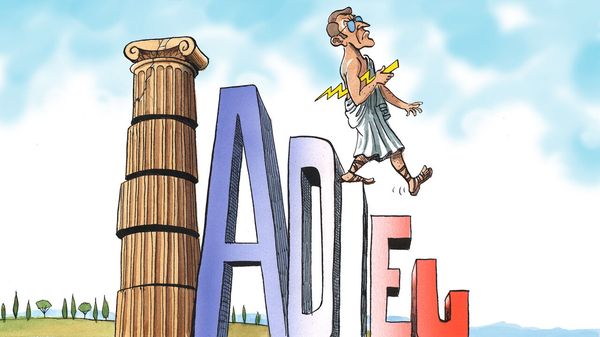
France’s presidential-legislative schedule makes it hard for a new president to govern immediately after taking office. After roughly 12 months of protracted campaigning before the April 2027 vote, the new National Assembly forms only at the end of June, Parliament then recesses for about three months, government activity weakens after July 14, August is largely a hiatus, and September is dominated by strike season, so meaningful action is usually delayed to October, about 170 days after voters first turn out. In practice, the “first 100 days” convention is structurally undermined by a cycle of campaign, election, and long political dead time.
The piece stresses how quickly French presidents lose backing in the opening phase. Macron had 64% support in his first full month in June 2017, but by October it fell to 42%—a 22-point drop, or roughly a 34.4% decline relative to his June base—and earlier presidents saw similar early erosion. With popularity shrinking fast, failure to act in the first months quickly narrows political room for manoeuvre.
The roots are historical and chronological: had early Fifth Republic practice continued with December presidential elections and January appointments, it would have been more conducive to policy starts, but Georges Pompidou’s death in April 1974 shifted voting into spring as a historical accident; then a 2000 constitutional change cut presidential terms from seven to five years, matching parliament and making fresh legislative elections follow almost every presidential poll. The low-friction proposal is for Macron to leave office in February 2027, about two months early, giving up only about 2% of a ten-year tenure, and giving his successor roughly a 100-day action window before the long summer lull while setting a better template for future presidents.
Source: A final favour Emmanuel Macron could do for France
Subtitle: A gracefully timed exit would reset France’s awkward electoral calendar
Dateline: 4月 02, 2026 03:53 上午