中国几乎肯定拒绝向霍尔木兹海峡派遣军舰,因其近50年未参与重大战争且风险极高;即便美国盟友亦保持距离。当前冲突凸显战略权衡:中国约13%的海运原油来自伊朗,但更大比例需经该海峡运输,同时在中东拥有超过3000亿美元投资与建设项目,暴露对海上通道依赖。美国行动在两个月内移除两位亲华领导人,进一步显示权力投射差距与风险不对称。
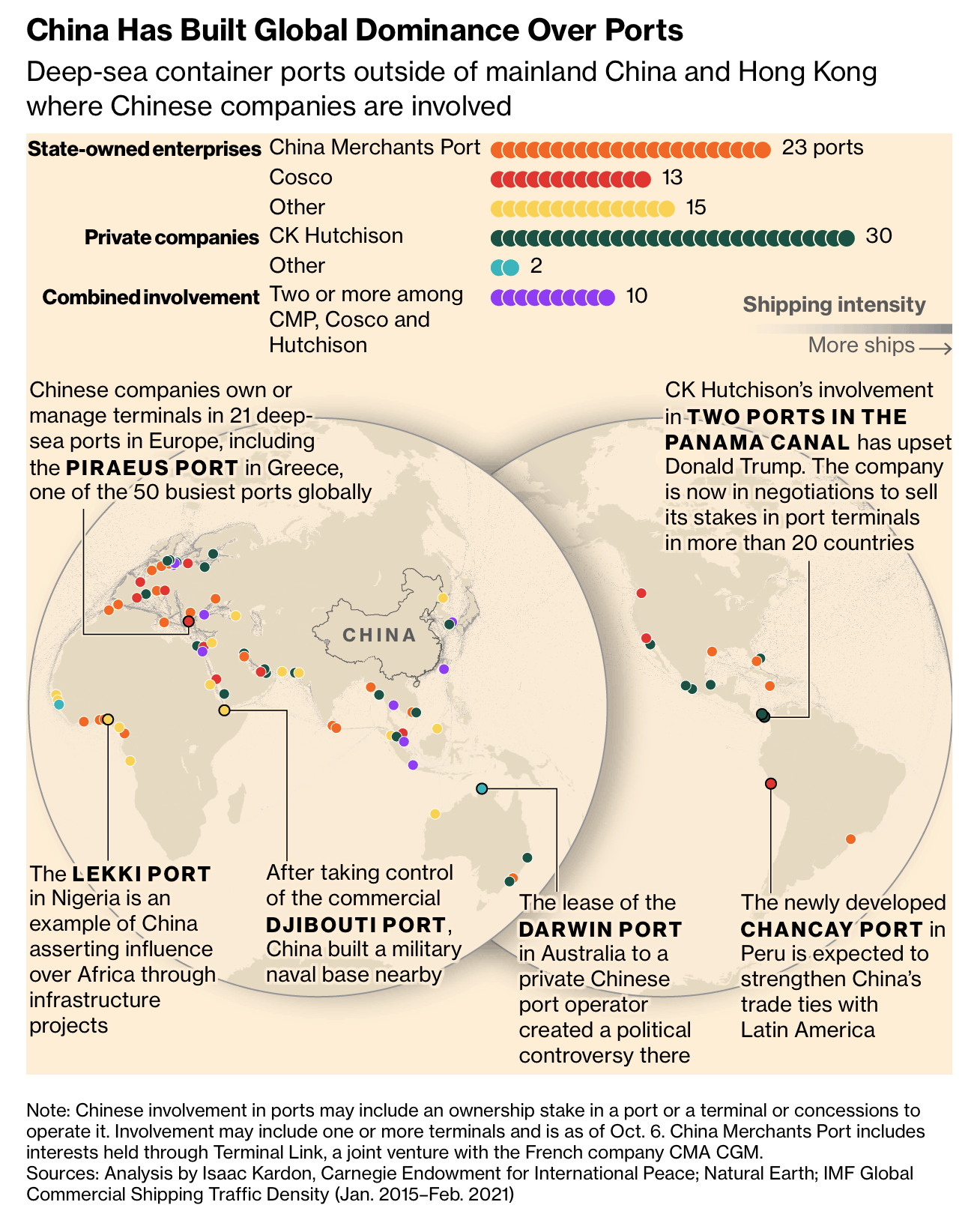
战略分歧集中于是否扩大军事介入:传统“非干涉”政策自1955年以来作为核心原则,但近10年随着海外利益扩张,学界开始讨论从“偶发使用武力”转向“常态化保护海外利益”。然而现实能力仍受限:中国目前仅有1个海外军事基地(2017年建于吉布提),主要执行反海盗与训练任务,与美国全球部署形成显著对比,表明全球投射能力不足。
经济驱动仍为主导:中国依托全球贸易体系成为世界第二大经济体,其供应链、能源与航道安全高度依赖现有国际秩序。历史经验显示,美国在中东20年的战略投入为中国提供发展窗口期。当前趋势呈现为:军事能力有限(1基地、低介入)+经济暴露高(13%原油及更高通道依赖、3000亿美元投资)→策略偏向谨慎观望,同时利用美国多线消耗带来的战略机会。
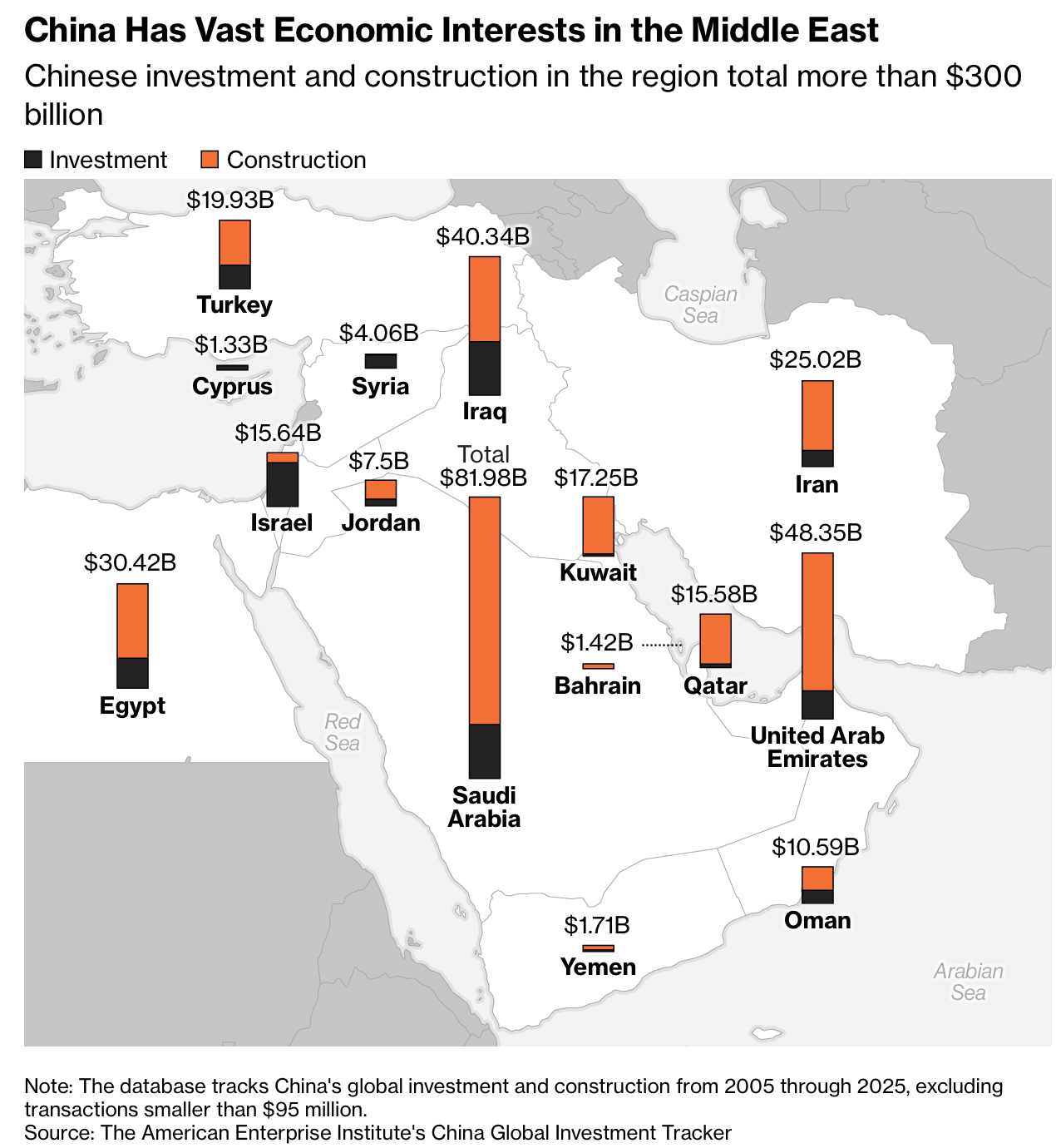
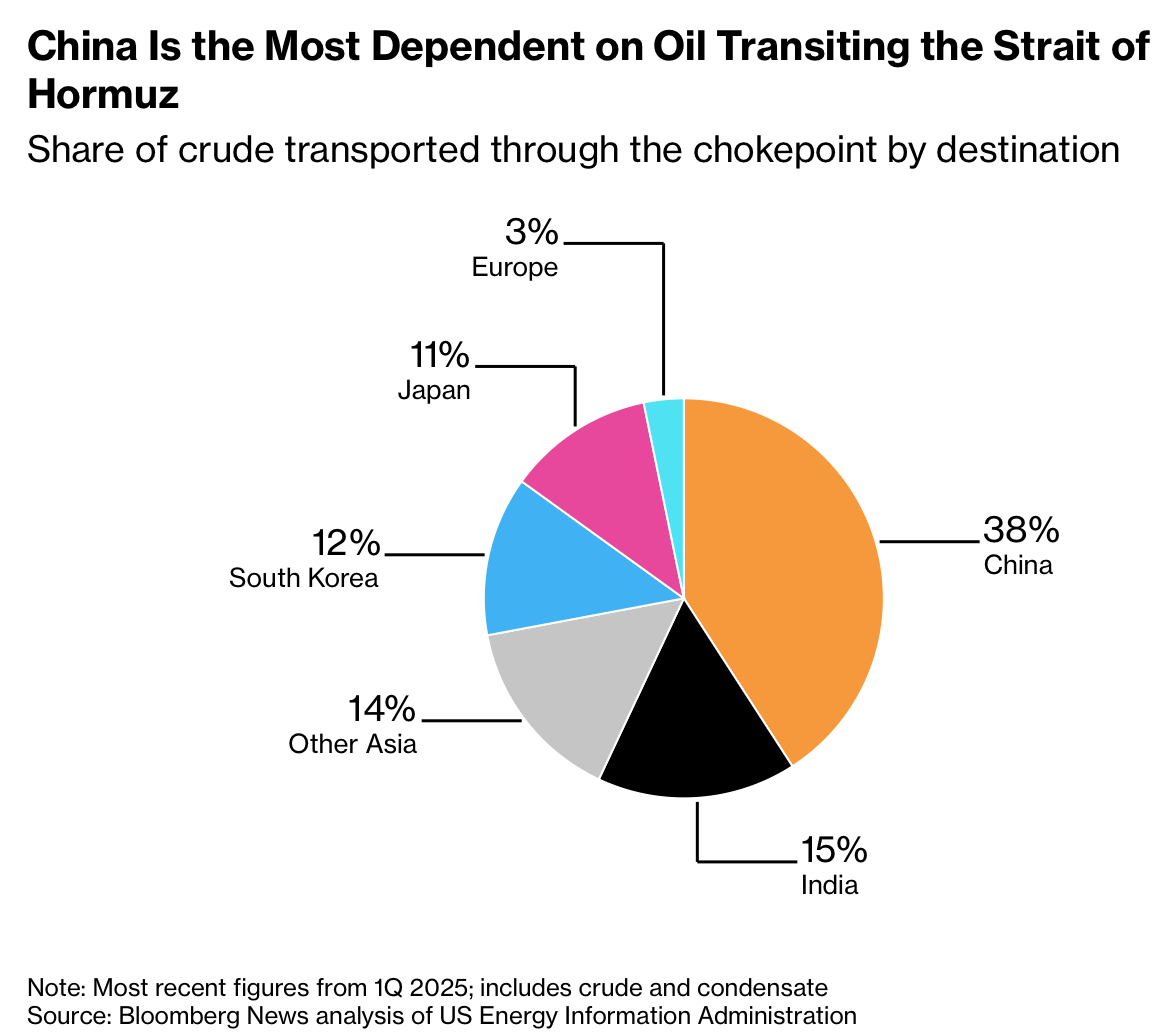
China is almost certain to reject sending warships to the Strait of Hormuz, as it has not fought a major war in nearly 50 years and faces high risk; even US allies are staying away. The conflict highlights strategic trade-offs: about 13% of China’s seaborne crude imports come from Iran, but a larger share transits the strait, while China holds over $300 billion in Middle East investments, exposing dependence on maritime routes. US actions removed two Beijing-aligned leaders within two months, underscoring asymmetry in power projection and risk exposure.
Strategic debate centers on expanding military use: the “non-interference” doctrine, a core principle since 1955, is now under review as overseas interests have grown over the past decade. Scholars discuss shifting from rare use of force to normalized protection of interests abroad. However, capability constraints remain: China has only one overseas military base (Djibouti, established 2017), mainly for anti-piracy and training, contrasting sharply with US global deployments and indicating limited power projection.
Economic drivers remain dominant: China’s rise to the world’s second-largest economy depends on global trade systems, with supply chains, energy flows, and sea lanes tied to existing order. Historically, US engagement in the Middle East provided China a 20-year development window. The current pattern is: limited military capacity (one base, low intervention) plus high economic exposure (13% oil and larger transit dependence, $300 billion investments) leads to cautious strategy, while leveraging US multi-theater strain as strategic opportunity.