伊朗石油供应面临的最大风险并非军事打击,而是劳工罢工。尽管长期以来市场担忧霍尔木兹海峡等地缘政治冲突,但历史表明,真正造成大规模减产的往往是内部劳工动荡。当前美国军事行动风险下降,而劳工不满情绪却因经济恶化而上升,这种反差使市场低估了罢工风险。伊朗目前石油及相关液体产量接近每日500万桶,达到46年来高位,与1978年罢工前水平大致相当。
近期抗议活动虽被镇压,但根本经济问题未解。通胀率接近50%,里亚尔持续贬值,失业率上升,社会不稳定性仍在积聚。分析人士认为,若生活成本危机得不到缓解,零星但反复的公民不服从行动可能持续,并波及关键产业。2018至2019年的全国性抗议和局部行业罢工提供了现实参照。2026年1月10日,流亡海外的礼萨·巴列维呼吁交通、石油、天然气和能源行业展开全国性罢工,意在切断政权的经济命脉。
历史经验显示罢工影响巨大。1978年,伊朗石油工人罢工在数周内导致产量骤降约80%,成为史上最大单一石油供应中断,并直接推动1979年政权更迭。如今,伊斯兰革命卫队对油气行业和主要产区实施更严密控制,合同制员工比例上升,短期内全面罢工概率较低。但这一情景属于低概率、高冲击事件,且不受外部军事力量调控。相较炸弹,真正值得关注的是伊朗油田中的工人。
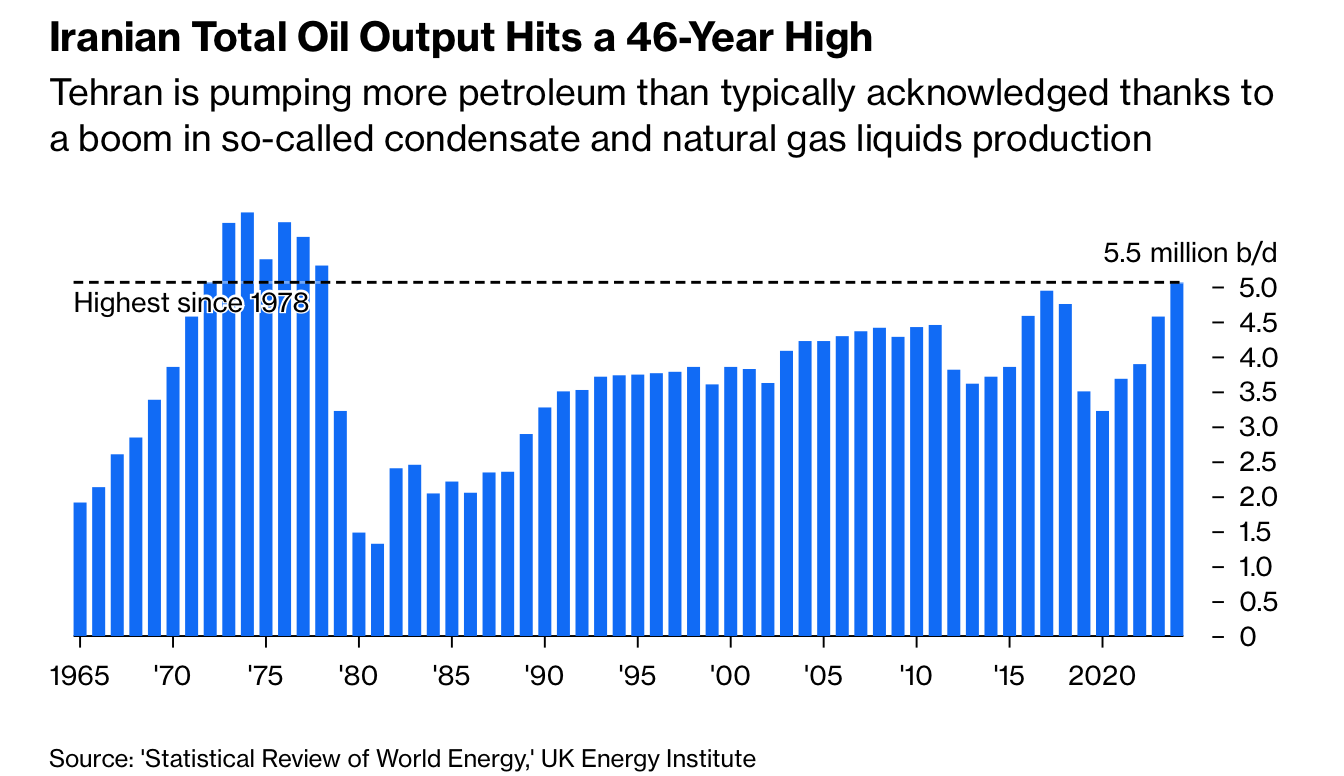
Iran’s biggest oil risk is not military strikes but labor unrest. While markets have long fixated on geopolitical flashpoints like the Strait of Hormuz, history shows that internal strikes have caused the most severe supply disruptions. Today, the risk of US military action has receded, but worker dissatisfaction has risen as economic conditions deteriorate, making strikes an underestimated threat. Iran’s current crude and petroleum liquids output is near 5 million barrels per day, a 46-year high and roughly comparable to pre-1978 levels.
Recent protests were violently contained, but underlying economic pressures persist. Inflation is running close to 50%, the rial is weakening sharply, and unemployment is rising, sustaining instability. Analysts warn that unless the cost-of-living crisis is resolved, sporadic civil disobedience could continue and spread to strategic sectors. The 2018–2019 protests, which included nationwide strikes in some industries, offer a precedent. On January 10, 2026, exiled figure Reza Pahlavi called on workers in transportation, oil, gas, and energy to launch a nationwide strike to cut the regime’s financial lifelines.
History underscores the stakes. In mid-1978, oil worker strikes cut Iranian production by about 80% within weeks, the largest oil outage ever recorded, and helped pave the way for the 1979 revolution. Today, tighter control by the Islamic Revolutionary Guards Corps, security dominance over key oil provinces, and the prevalence of precarious contract labor reduce the likelihood of immediate mass strikes. Still, this represents a low-probability, high-impact risk beyond external military control. More than bombs, it is the workers who could shape Iran’s oil future.