尽管房价下跌可能让部分民众更容易购屋,但生活成本上升、沉重的家庭债务负担,加上持续攀升的租金,仍使得许多人的处境雪上加霜。矛盾的是,在房市降温之际,6月份未偿还的房贷总额却依然较去年同期成长了7.5%。
受到劳工短缺与建筑材料成本上涨的影响,房屋供应量长期无法满足需求。截至6月的一年内,新屋建筑许可量约为20.5万套,远低于政府设定的24万套目标;经济学家指出,高利率与供应链中断等因素,仍是营建业发展的重大风险。
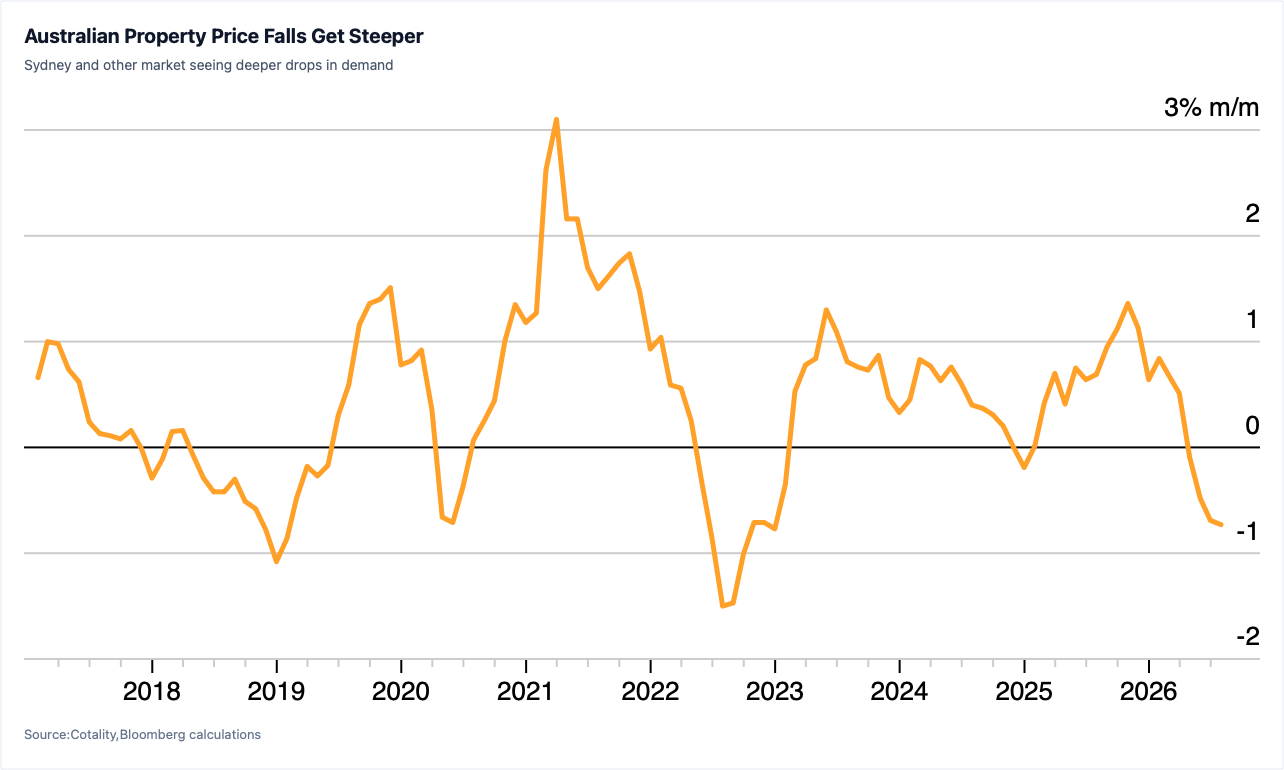
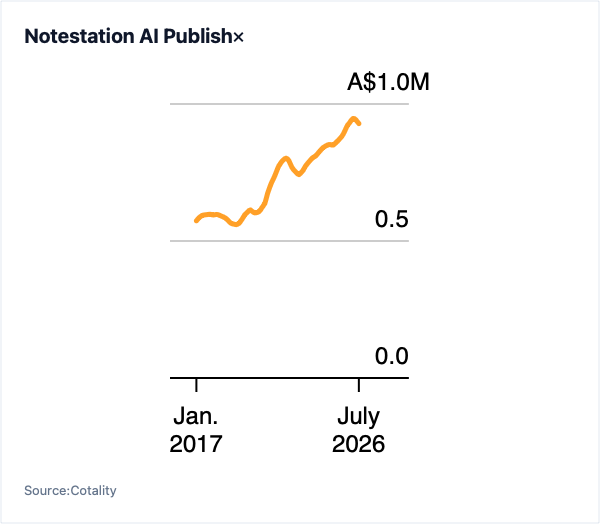
Australia's housing market decline has worsened, with property prices in June and July experiencing their sharpest drop since December 2022 due to rising interest rates and tax changes hitting demand. National prices fell 0.7% last month compared to June, with Sydney's notable 1.4% decline leading the downward trend across many major cities and regional areas.
Although falling prices might make purchasing a home slightly easier for some, the rising cost of living, heavy household debt burdens, and still-increasing rents continue to add difficulties for others. Paradoxically, despite the market downturn, the total value of outstanding home loans still grew by 7.5% year-on-year in June.
Housing supply has consistently fallen short of demand, exacerbated by labor shortages and rising construction material costs. Approximately 205,000 new dwellings were approved in the year ending June, which falls well short of the government's 240,000 target; economists highlight that high interest rates and supply chain disruptions remain significant upside risks to construction activity. (Key numbers: 6, 20.5, 24)