伊朗封锁霍尔木兹海峡(最窄约39公里)导致约40,000名海员和大量船只滞留,其中约一半被困在海湾内部。该海峡承担约25%的全球海运石油贸易,其关闭引发能源价格上涨、燃料短缺及化肥成本上升。自3月1日以来,穿越该海峡的商业船只不足100艘。卫星数据显示区域内约340艘船中仅56艘(约16%)仍在广播位置,较正常水平显著下降,同时广播信号下降幅度达87%,反映出电子干扰和规避风险行为的叠加效应。
航运风险与收益结构出现极端分化。中东油轮基准收益较战前每日增加约200,000美元,但船员额外危险津贴仅增加约20–100美元/天(高级船员约68美元/天),形成显著不对称激励。部分船只关闭AIS或沿非常规航线通行,约20%的过境船只关闭应答器。保险成本大幅上升,同时个别船只遭袭(至少2名海员死亡,3人失踪),强化高风险环境。GPS干扰导致船只定位误差可达数百公里,甚至出现“陆地位置”或超过100节的虚假速度数据。
供应与生存条件持续恶化。部分船只燃料仅能维持约20天发电,淡水系统受污染限制补给,船员依赖基础食物(如糖和米)维持。持续三周以上的滞留叠加夜间空袭与无人机威胁(单次观测超过20架),导致睡眠剥夺与心理压力上升。区域被划为“战争作业区”,虽允许船员撤离,但由于航班中断与替换人手不足,实际撤离率极低。整体上,该系统呈现高价值货物流动受阻、导航信息失真及人力风险急剧上升的三重失衡。
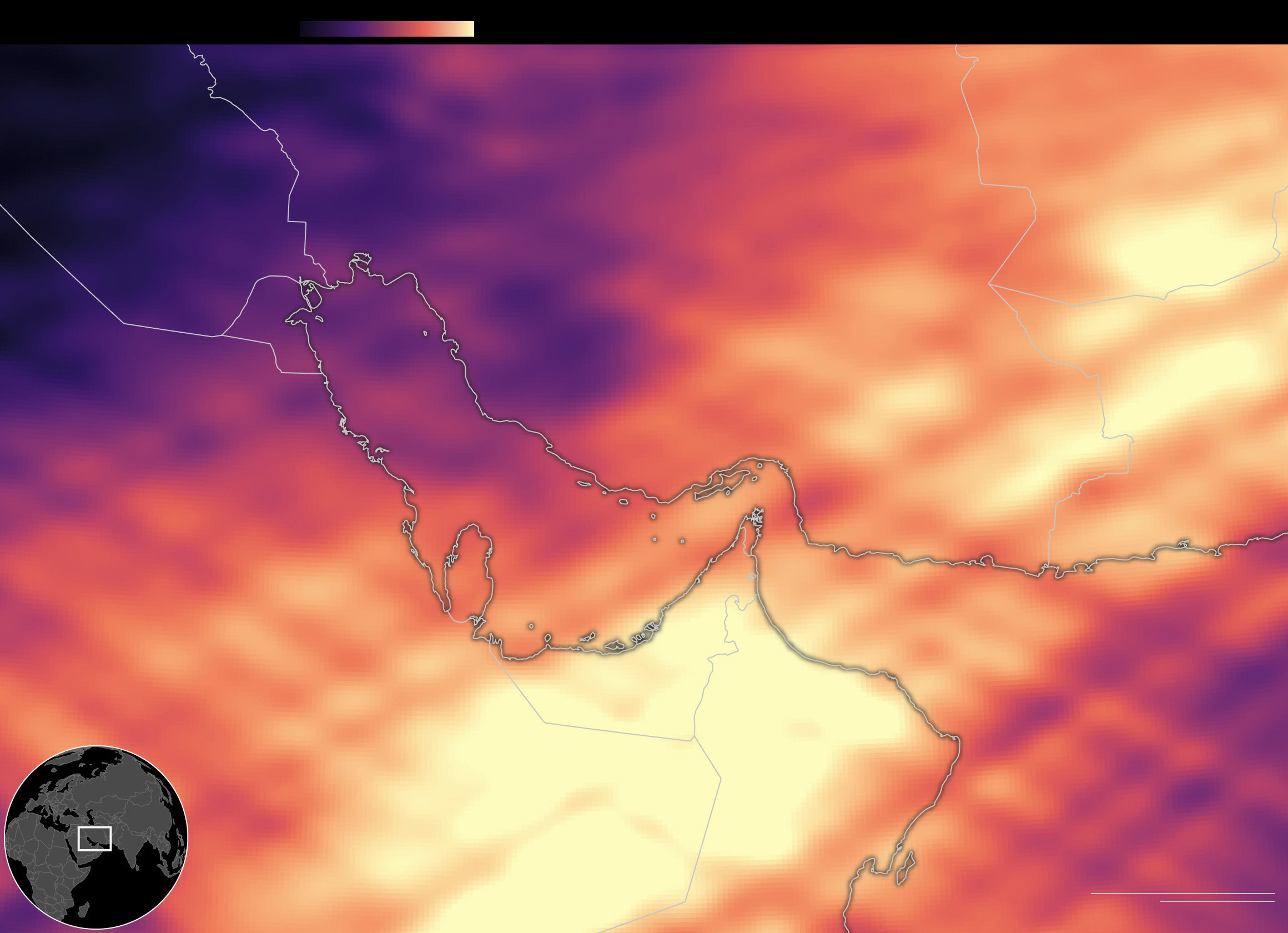
Iran’s blockade of the Strait of Hormuz (narrowest width about 39 km) has stranded approximately 40,000 seafarers and numerous vessels, with about half trapped inside the Gulf. The strait carries roughly 25% of global seaborne oil trade, and its disruption has triggered energy price spikes, fuel shortages, and rising fertilizer costs. Since March 1, fewer than 100 commercial ships have crossed the strait. Satellite data shows about 340 ships in the area, but only 56 (around 16%) are broadcasting positions, with transmission activity dropping by 87%, indicating combined effects of electronic interference and risk avoidance.
Risk–reward dynamics in shipping have become highly asymmetric. Benchmark tanker earnings in the Middle East have risen by about $200,000 per day compared to pre-war levels, while individual crew hazard pay has increased only by roughly $20–$100 per day (about $68 for senior officers). Some vessels disable AIS or use unconventional routes, with around 20% of transiting ships switching off transponders. Insurance costs have surged, and attacks on vessels (at least two deaths and three missing crew) underscore extreme risks. GPS interference causes positional errors of hundreds of kilometers, including false land positions or speeds exceeding 100 knots.
Operational and survival conditions are deteriorating. Some ships have fuel for only about 20 days of power, while freshwater production is constrained, forcing crews to rely on basic supplies such as sugar and rice. Prolonged delays exceeding three weeks, combined with nightly airstrikes and drone threats (over 20 drones observed in a single instance), intensify sleep deprivation and psychological stress. Although the region is designated a “Warlike Operations Area” allowing crew withdrawal, actual evacuation remains minimal due to flight disruptions and labor shortages. The system reflects a threefold imbalance of disrupted high-value trade flows, degraded navigation reliability, and sharply elevated human risk.