在商业化与应用拓展方面,目前主要被证实具有指数级加速优势的领域仅限于破解传统加密和模拟亚原子粒子。虽然模拟亚原子系统在医药研发、材料科学和气候能源等尖端领域极具商业潜力,但业界对于商业最佳化等其他用途仍存有争议,许多专家指出传统演算法已能充分应对此类任务。此外,将技术从实验室移转为符合成本效益的大规模工程产品,亦是当前硬体开发的一大瓶颈。
面对纯粹指数级加速的限制,许多量子领域高管转而聚焦于能带来二次方加速的实用演算法,例如大幅缩短金融交易和银行数据运算时间。同时,业界也寄望于长远的演算法演进与机器学习的潜在结合,期待为人工智慧等前沿科技带来变革性提升。尽管部分先驱技术已展现处理巨量数据的理论优势,但要将这些实验室的里程碑转化为成熟且广泛获利的商业现实,仍有一段漫长的路要走。
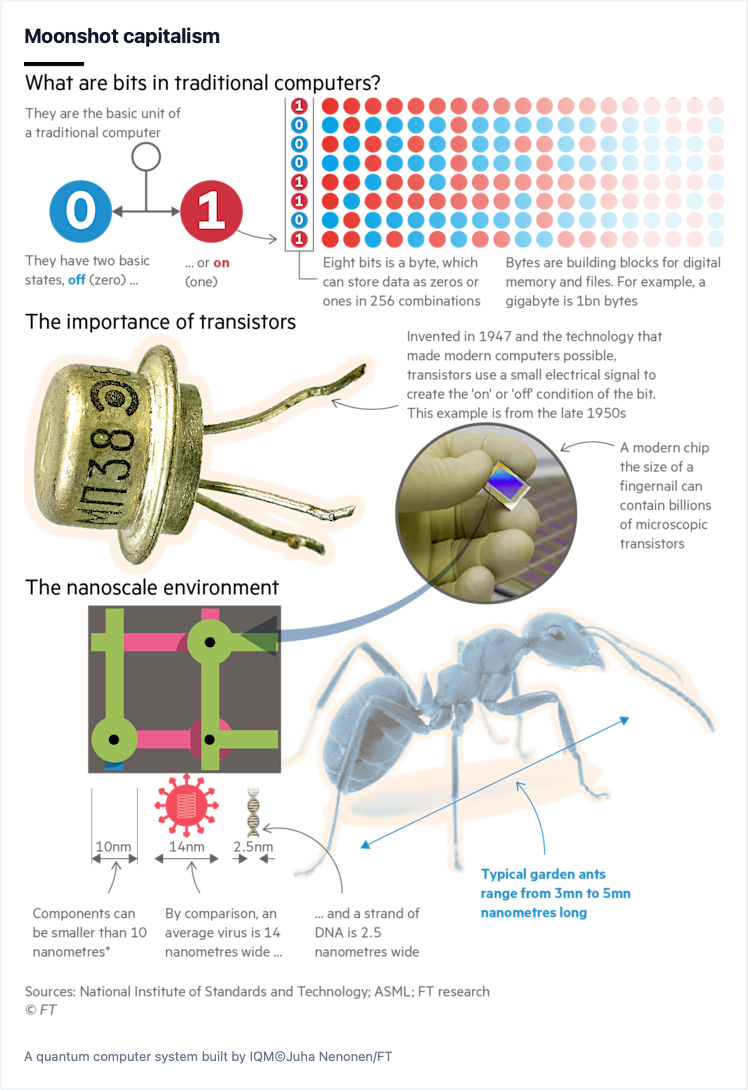
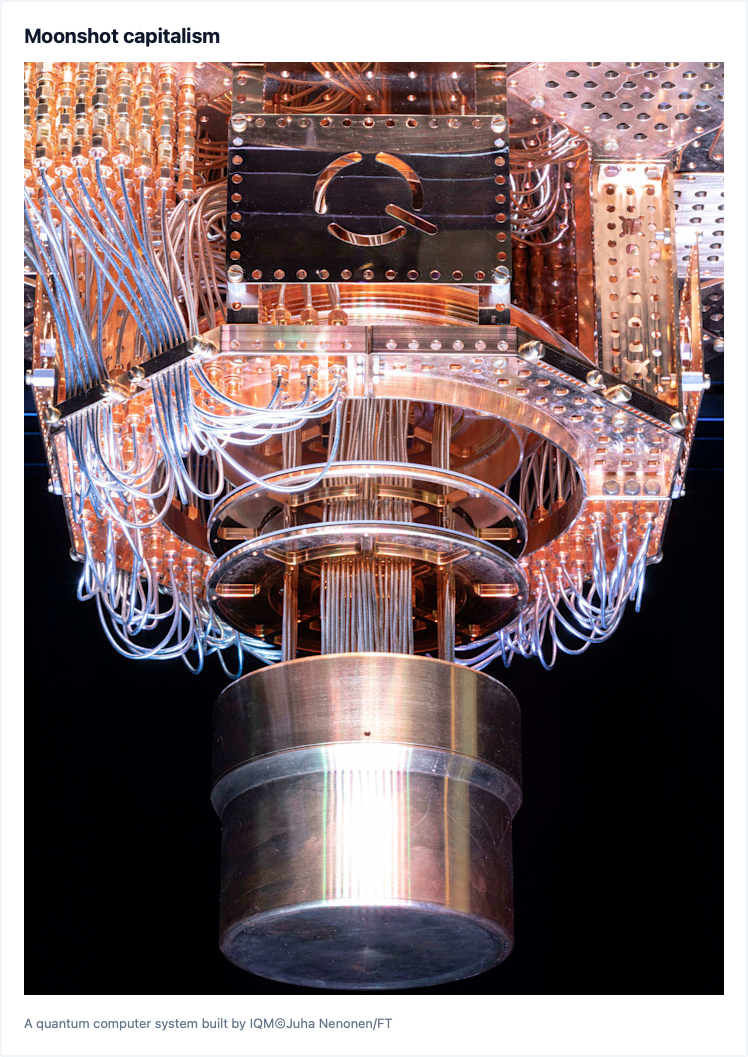
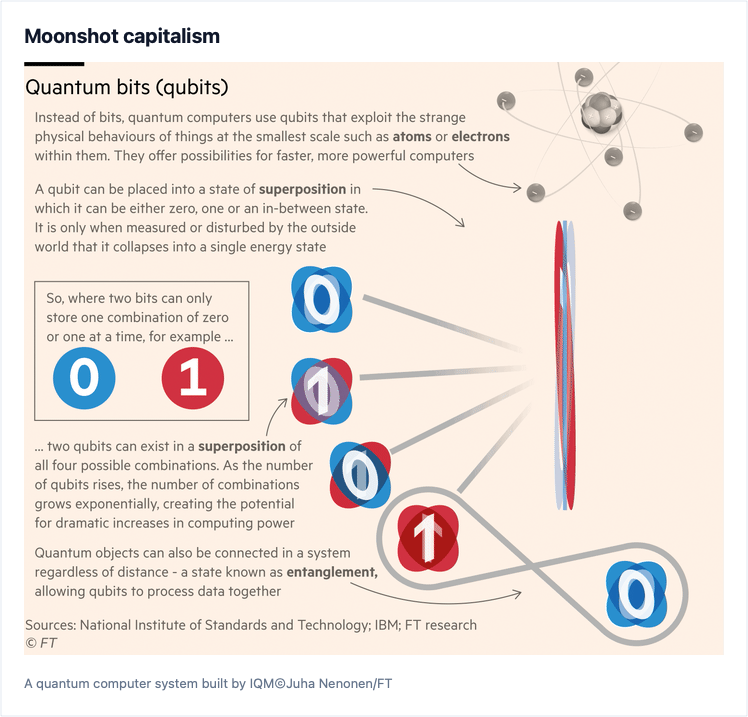
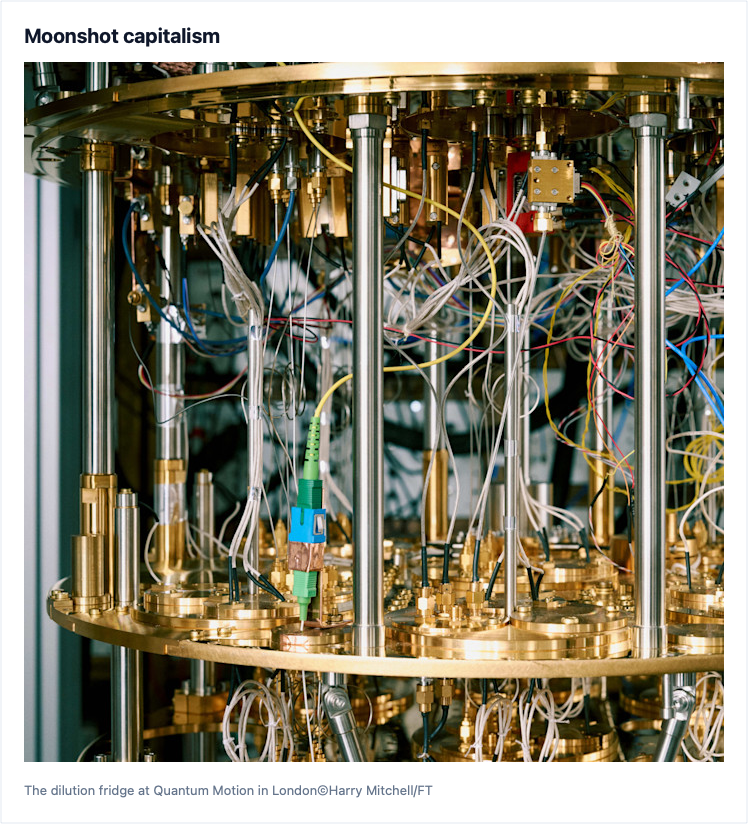
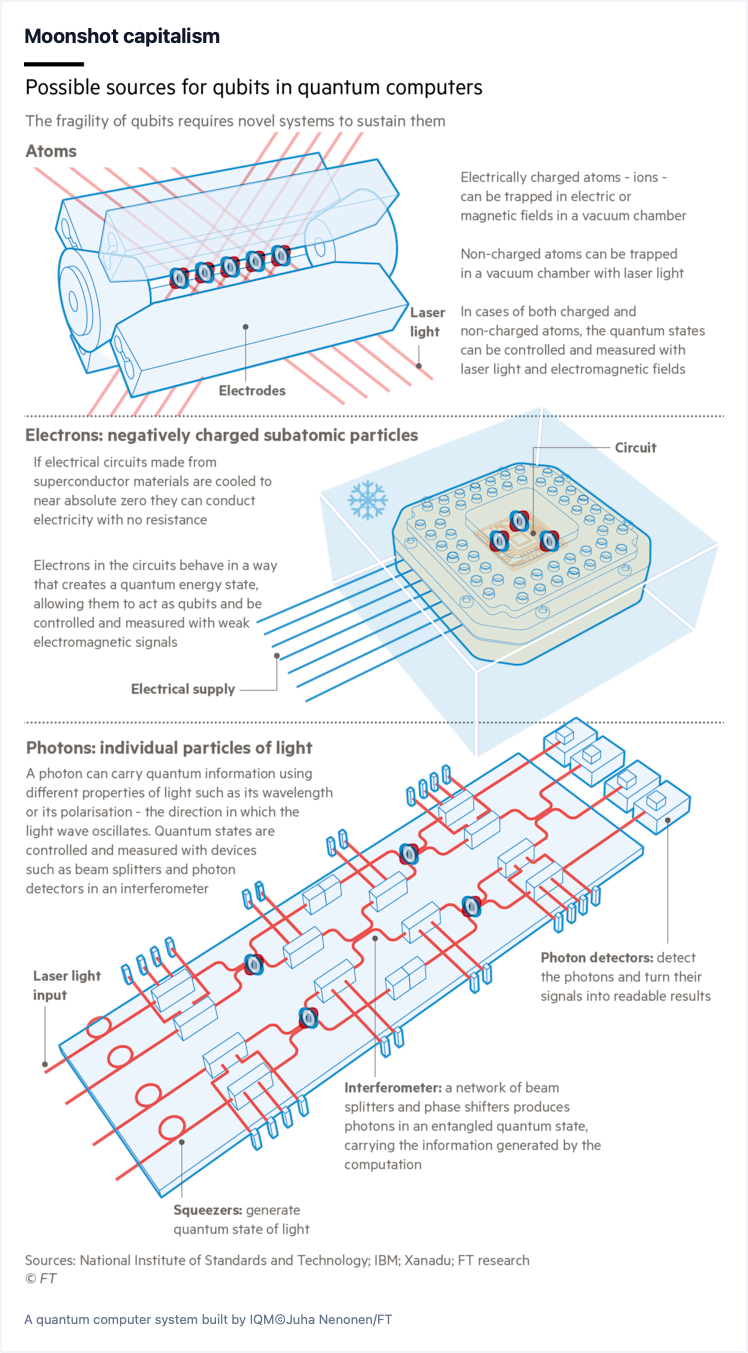
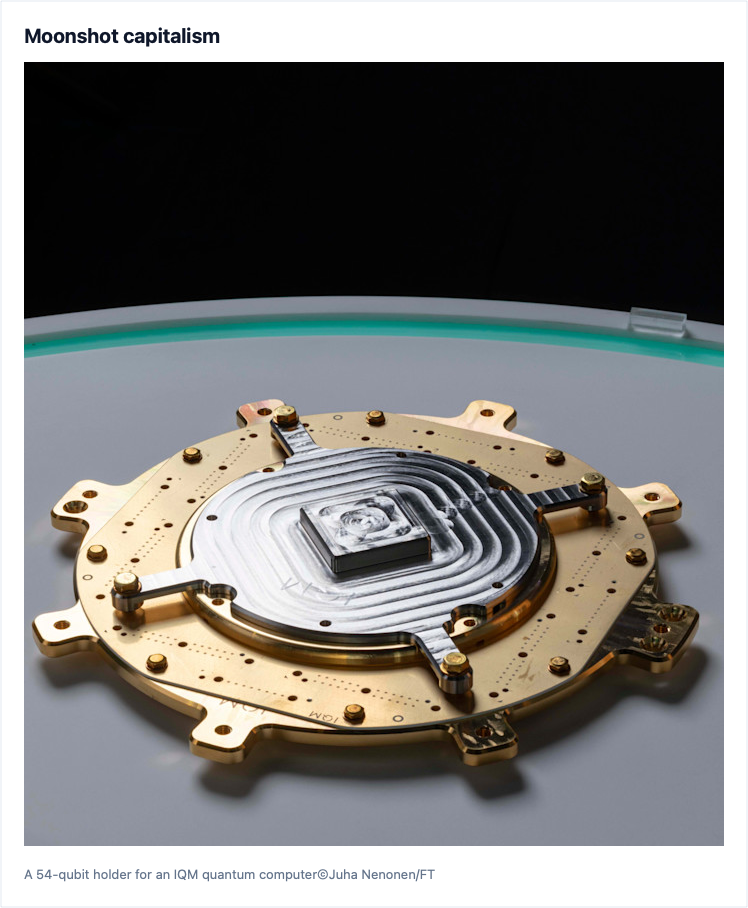
The quantum computing sector is experiencing a significant surge in optimism and capital, exemplified by startup Oratomic securing a record $300 million early-stage round and total global venture funding surpassing $4 billion this year alongside key public listings like Quantinuum and IQM. Despite this momentum, investors face lingering uncertainties regarding when full-scale machines will tackle practical problems, whether their utility extends beyond a narrow set of tasks, and which competing technological architecture—such as superconducting, neutral atoms, or silicon spin—will ultimately prevail. (Key numbers: 3, 40)
On the commercial front, algorithmically proven exponential advantages remain largely confined to breaking common encryption protocols and simulating subatomic particles. While modeling molecular systems holds immense promise for pharmaceuticals, battery improvements, and clean energy, skepticism surrounds other proposed applications like business optimization, where traditional computers and heuristics already perform adequately. Hardware developers also face the challenge of bridging laboratory breakthroughs to cost-effective engineering, moving away from viewing quantum machines as priceless magic.
To capture near-term commercial value, industry leaders are increasingly highlighting algorithms that offer practical quadratic speed-ups, capable of slashing complex computations from hours to minutes for sectors such as banking and financial trading. Looking further ahead, researchers and executives anticipate that continuous algorithm discovery could eventually unlock powerful synergies with machine learning and artificial intelligence, though translating these emerging theoretical and experimental advantages into widespread, profitable commercial systems remains a long-term endeavor.