然而,人类对消费品的无穷需求正将全球航运网路推向极限,导致港口拥堵达到历史新高。特别是来自中国的出口激增引发了严重的贸易失衡,使得回程航班经常需要承担运送空货柜的成本,这不仅推高了运费,也让缺乏基础设施以容纳新建超大型货柜船的港口面临巨大压力。
尽管面临港口空间紧绷与严重拥堵的挑战,货柜航运的需求与新船订单量依然持续创下新高,促使许多航运公司积极投资港口基础设施以寻求解决方案。分析师警告,若无法有效克服当前基础设施的实体限制与贸易失衡问题,过去五十多年来赖以维生的廉价全球贸易时代恐将步入历史。
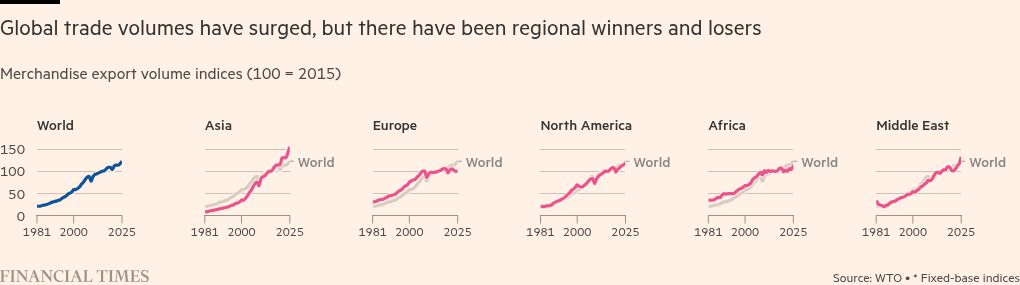
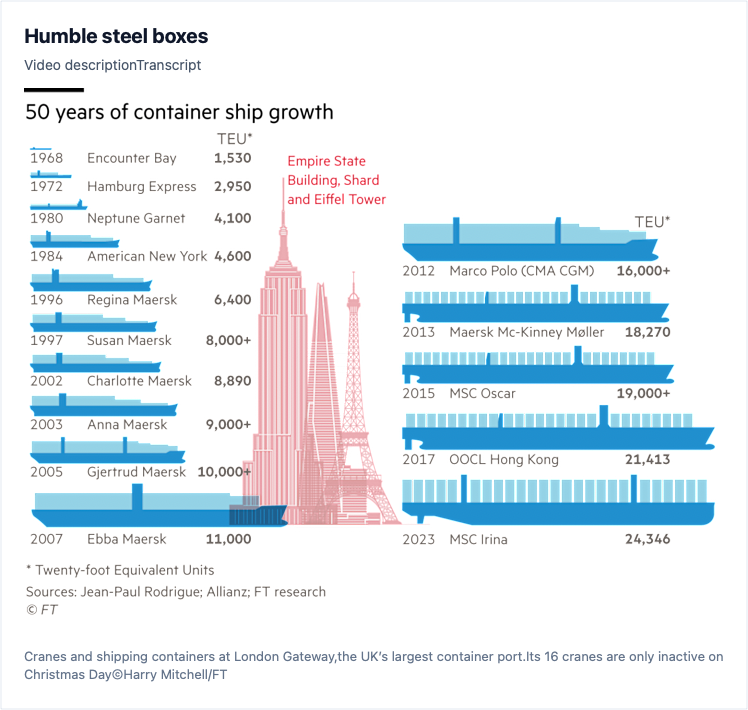
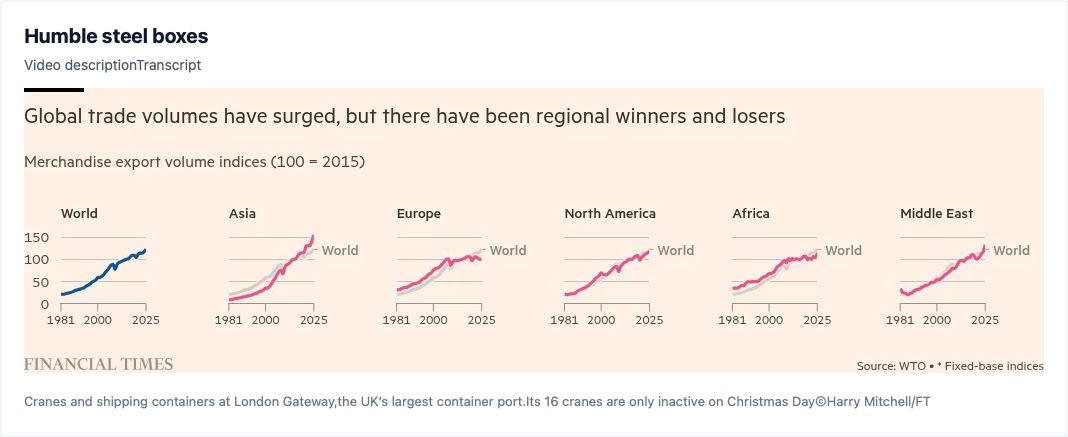
Over the past seventy years, the invention of the standardized shipping container has revolutionized global trade by drastically reducing transport costs and improving cargo handling efficiency, enabling the rapid expansion of transnational supply chains. Taking London's docks as an example, operations that used to be time-consuming and labor-intensive have now been replaced by modern computerized cranes capable of processing tens of thousands of containers in a fraction of the time.
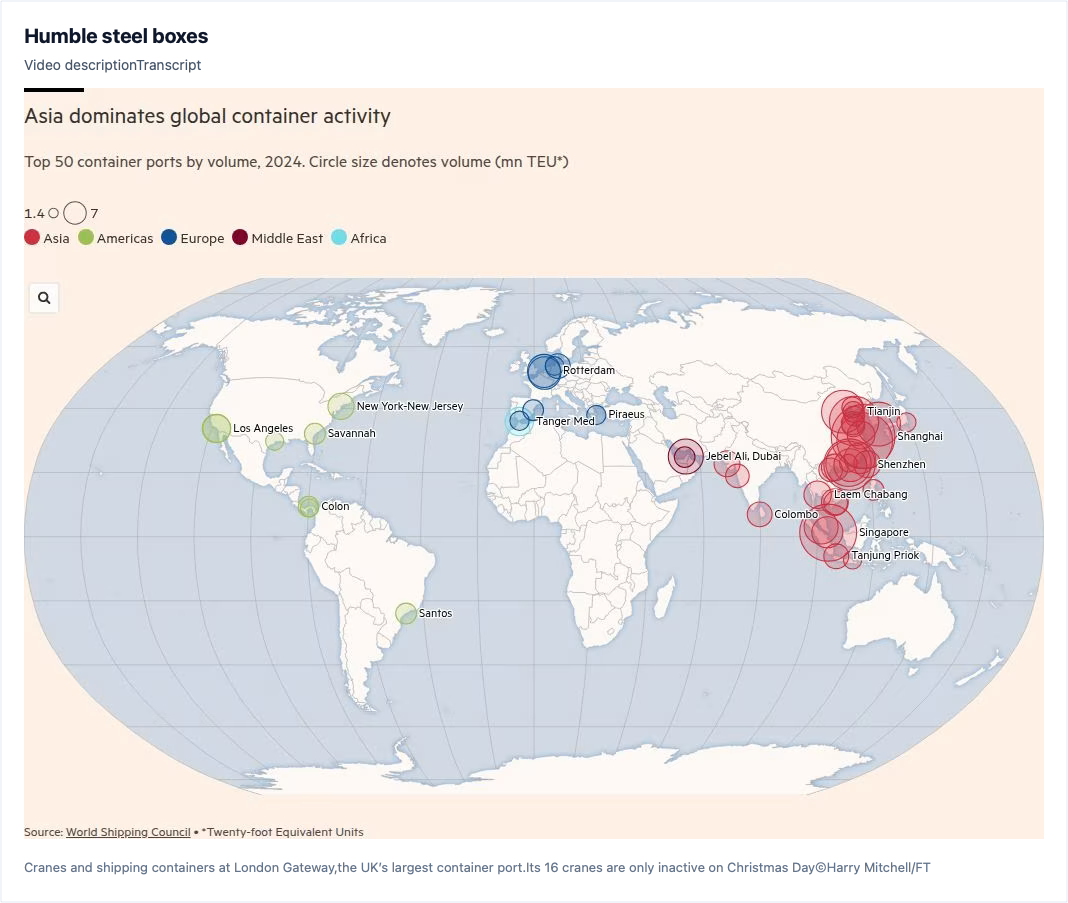
However, humanity's insatiable demand for consumer goods is pushing the global shipping network to its limits, resulting in port congestion reaching historic highs. In particular, a surge in Chinese exports has triggered severe trade imbalances, frequently leaving return journeys to bear the cost of transporting empty containers; this not only drives up freight rates but also places immense strain on ports lacking the infrastructure to accommodate newly built ultra-large container ships.
Despite the challenges of tight port space and severe congestion, the demand for container shipping and orders for new vessels continue to hit record highs, prompting many shipping companies to actively invest in port infrastructure to seek solutions. Analysts warn that if the physical limitations of current infrastructure and trade imbalances cannot be effectively overcome, the era of cheap global trade that the world has relied upon for over fifty years could face its end.