分析师指出,AI交易的「简易赚钱期」已经过去,市场领先地位可能将面临重组或扩大。即将到来的财报季中,大型科技公司特别是超大规模云端服务商(Hyperscalers)是否能超越市场的高预期,将是决定股市是否会面临修正的关键。
企业动态方面,亚马逊新发行的250亿美元债券需求较先前减半;SK海力士的美国上市获得超额认购;微软为了降低成本正开始在部分软体中以自有模型取代OpenAI和Anthropic;而中国的DeepSeek也正研发自有晶片以支援其AI系统。
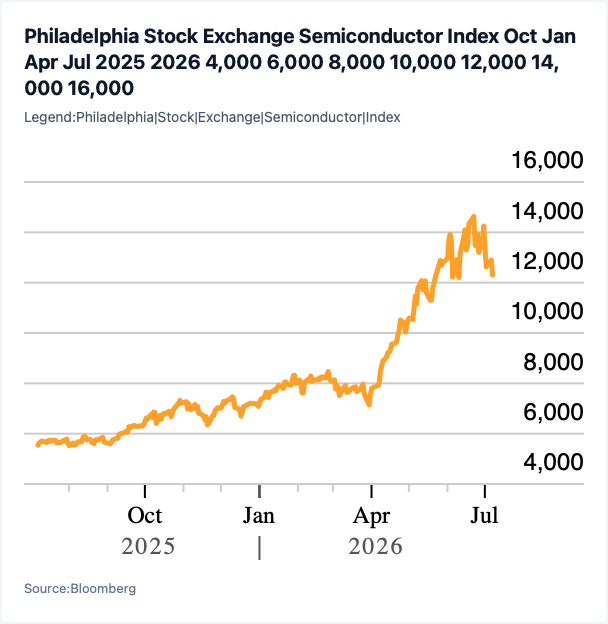
U.S. semiconductor stocks plummeted due to concerns over whether high artificial intelligence valuations are justified, leading to a 1.8% drop in the Nasdaq 100. Meanwhile, rising geopolitical risks pushed crude oil prices to $72 per barrel and boosted Treasury yields, while investors rotated capital into lagging sectors.
Analysts suggest that the era of "easy" AI trades has passed and market leadership is likely to broaden. In the upcoming earnings season, whether technology giants, particularly hyperscalers, can beat highly optimistic estimates will be crucial in determining if the tech sector faces a correction.
In corporate highlights, Amazon's latest $25 billion bond offering saw demand drop by half compared to its previous sale, while SK Hynix's U.S. listing was oversubscribed. Microsoft began replacing OpenAI and Anthropic models with its own in software like Excel and Outlook to cut costs, and China's DeepSeek is reportedly developing its own AI chip. (Key numbers: 250)