外泄的通讯与差旅纪录显示,俄方资深工程师曾多次前往德黑兰,并详细分析伊朗冲压发动机的飞行测试数据与遥测结果,针对燃油系统、燃烧稳定性及进气道等问题提供关键的技术改进指导。这项极具战略敏感性的技术转移计划需要俄罗斯最高层的政治批准,且双方在美以对伊冲突爆发后依然持续推进技术磋商与下一阶段合作的谈判。
长年以来,冲压发动机技术一直是伊朗飞弹研发领域难以攻克的重大瓶颈。此项合作象征俄伊军事结盟的进一步深化,俄方透过提供核心专业技术,协助德黑兰补强打击能力并克服依赖问题;同时,结合伊朗先前获取的俄制防空系统与中国卫星情报,这项新型战略武器的研发显示伊朗正大幅提升对美军防御系统的穿透与打击效能。(关键数字:430)
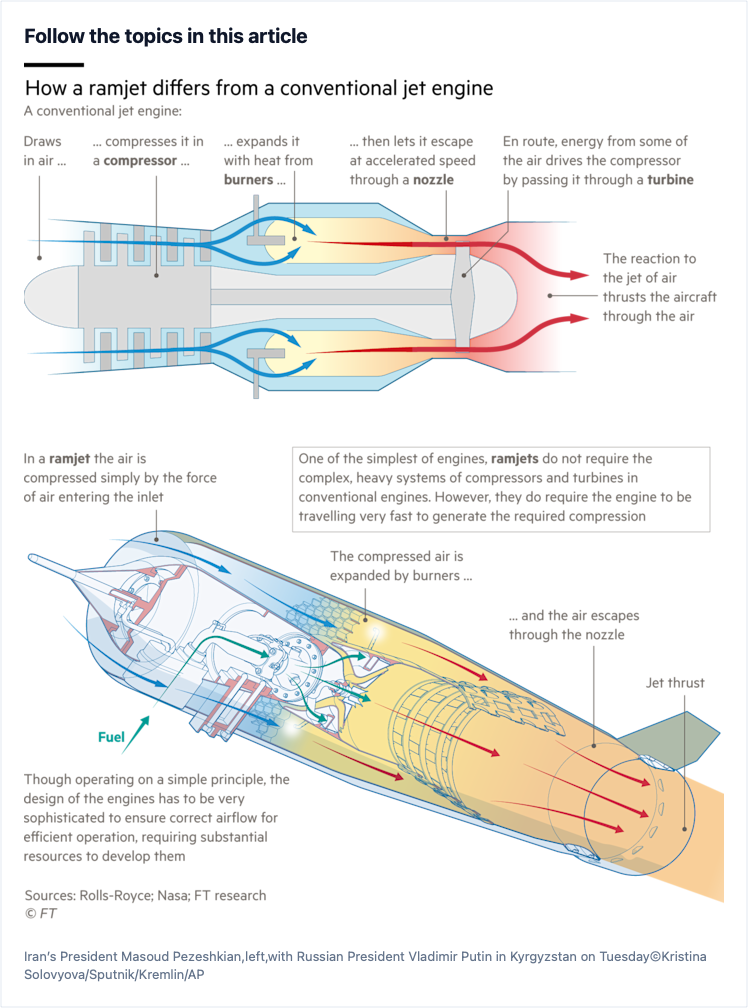
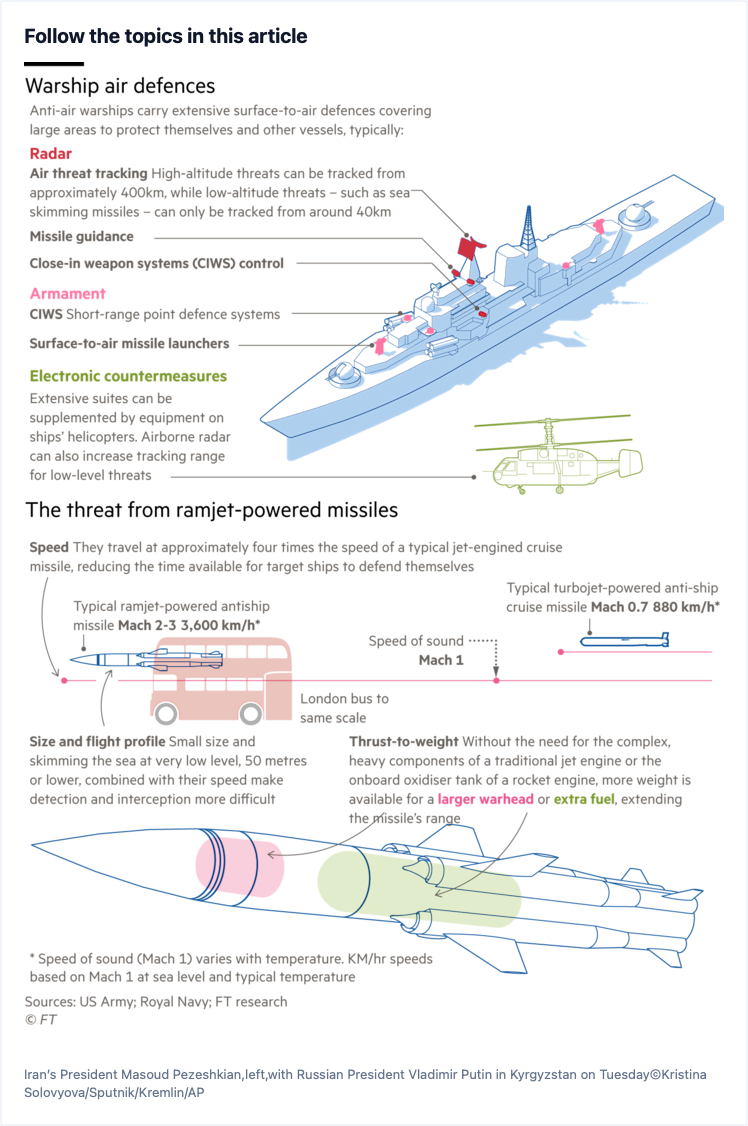
According to a Financial Times investigation and leaked documents, Russia has been secretly assisting Iran since 2023 under a multiyear covert programme codenamed C430L, deploying top missile specialists to help develop ramjet propulsion systems for supersonic cruise missiles. Coordinated by Russian state arms exporter Rosoboronexport and defense giant NPO Mashinostroyenia, the initiative aims to enable sustained low-altitude flight at several times the speed of sound, significantly threatening US aircraft carriers and naval vessels in the Middle East.
Leaked correspondence and travel records reveal that senior Russian engineers made multiple trips to Tehran to analyze flight-test data and telemetry from Iran's ramjet prototypes, addressing critical engineering challenges such as fuel systems, combustion stability, and air intakes. This highly sensitive strategic technology transfer required top-level political authorization in Moscow, and bilateral technical consultations and negotiations for future project phases have persisted even amid the outbreak of the US-Israeli conflict against Iran.
Mastering ramjet propulsion has historically remained a critical technological gap in Iran's missile arsenal despite decades of domestic development and procurement efforts. The C430L programme marks a significant deepening of the Moscow-Tehran military alliance, allowing Iran to leverage Russian expertise to overcome key technical hurdles, which—alongside acquired Russian air defense systems and Chinese satellite intelligence—substantially enhances Iran's capacity to penetrate sophisticated Western defense networks.