美国电力账单在十年中因配电环节推动而显著上涨,约三分之二的居民电价增量来自配电投资回收;同时六分之一家庭已拖欠电费,促使电力成本成为新政治焦点。电网利用率长期下降:1945 年容量因子约 80%,如今全国多处低于 60%,部分区域甚至低于 40%。这意味着峰值负荷增长远快于总体需求,例如 MISO 2014–2025 年总需求仅增 1.8%,但峰值负荷增近 6%,造成大量基础设施长期闲置。分区域数据显示 2016–2024 年 22 个电网平均负荷因子仅 40–60%,反映广泛结构性低利用率。
研究表明,通过灵活负荷管理可在无需新建电网的前提下容纳巨量新负荷。例如 Duke 的模型显示,仅让数据中心在需要时削减极小比例耗电,就能在现有电网容量下吸纳近 100 GW 新负荷。提高利用率的核心不是减少需求,而是扩大并分散需求,将数据中心、EV 充电、热泵等新负荷纳入低谷时段,摊薄基础设施成本。关键工具是分时电价,例如在下午低需求时低价预制制冷以避免晚高峰空调集中开启;同理可用于 EV 充电与家电运行。
进一步的技术路径包括软件自动调度(如智能温控和 AI 算法)、分布式能源(屋顶光伏、电池、虚拟电厂、微电网等)以降低对大型电网容量的瞬时压力。即便西向屋顶光伏发电量略低,也能在日落前电网最吃紧时提供更多功率。当前监管模式按资产规模给予收益,激励“建更多”而非“用得更满”;要改善利用率与账单负担,需在尖端技术与经济激励改革的结合下推动模式转型。
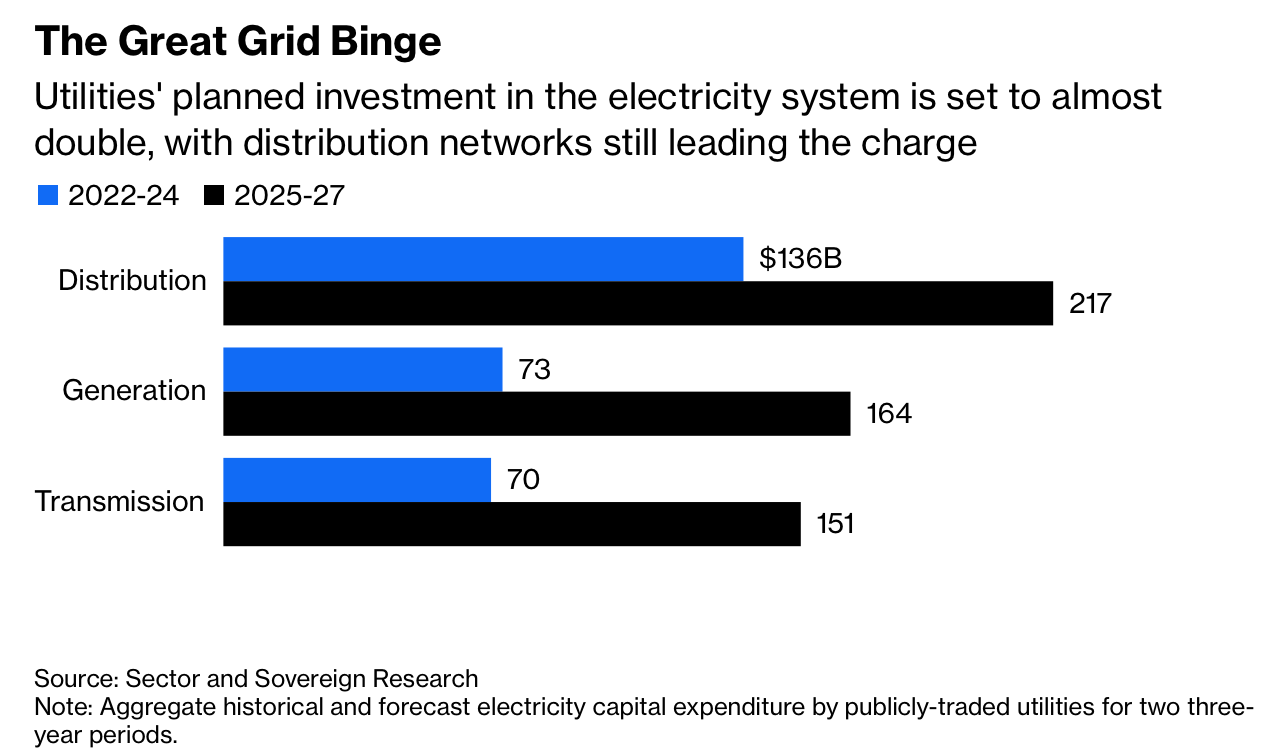
US electricity bills have risen sharply over the past decade, with roughly two-thirds of residential rate increases driven by distribution spending, while one in six households is behind on payments. Grid utilization has deteriorated for decades: the national capacity factor was ~80% in 1945, is now below 60%, and in some regions below 40%. Peak demand has grown far faster than overall load — for example, MISO’s total demand rose only 1.8% from 2014–2025 while peak load rose nearly 6% — leaving vast infrastructure underused. Regional load factors from 2016–2024 averaged only 40–60% across 22 grids, highlighting structural inefficiency.
Studies show flexible load management could absorb major new demand without new wires. Duke’s analysis indicates that if data centers curtail even a sliver of consumption during tight periods, the existing grid could host nearly 100 GW of additional load. Raising utilization requires expanding and diversifying demand — data centers, EV charging, and heat pumps — but shifting usage into off-peak windows to avoid building infrastructure purely for peaks. Time-of-use pricing is the most direct lever: pre-cooling homes in low-demand afternoon hours or scheduling EV charging away from evening spikes.
Software automation and distributed energy resources further reduce stress. Smart thermostats, AI-driven consumption management, rooftop solar, batteries, virtual power plants, and microgrids all help flatten peaks; west-facing rooftop PV sacrifices total output but boosts production at sundown when the grid is tightest. The challenge is regulatory: utilities earn returns on asset growth, not higher utilization, locking in a century-old “build more” incentive. Aligning modern technology with revised economic incentives is essential to raise utilization and contain costs.