研究表明,劳工并非缺乏能力、意愿或选民支持,也不是工会参与率或政治献金制度所能单独解释,其核心阻碍在于极高的参选个人成本。高工时、繁重的体力劳动、薪资脆弱性以及难以兼顾无薪的全职竞选活动,使得基层劳工难以承担繁重竞选事务与日夜开会的消耗。同时,政党把关者与招募者倾向选择经济无虞、时间弹性的白领专业人士,鲜少主动鼓励或支持蓝领劳工参选,加剧了制度性的排挤。
若要扭转劳工在政治体系边缘化的现状,改革者与政党必须建立专门的培训与经济支持机制。例如纽泽西州劳工学校提供成功的参选培训模式,而设立政治奖学金以补贴参选期间的生活开销,或由政党设定最低劳工候选人配额并从基层建立垂直培训阶梯,都是切实可行的路径。惟有透过具体资源让更多基层劳工名字登上选票,政党对争取劳工阶层选票与代言的承诺才不致流于空泛。
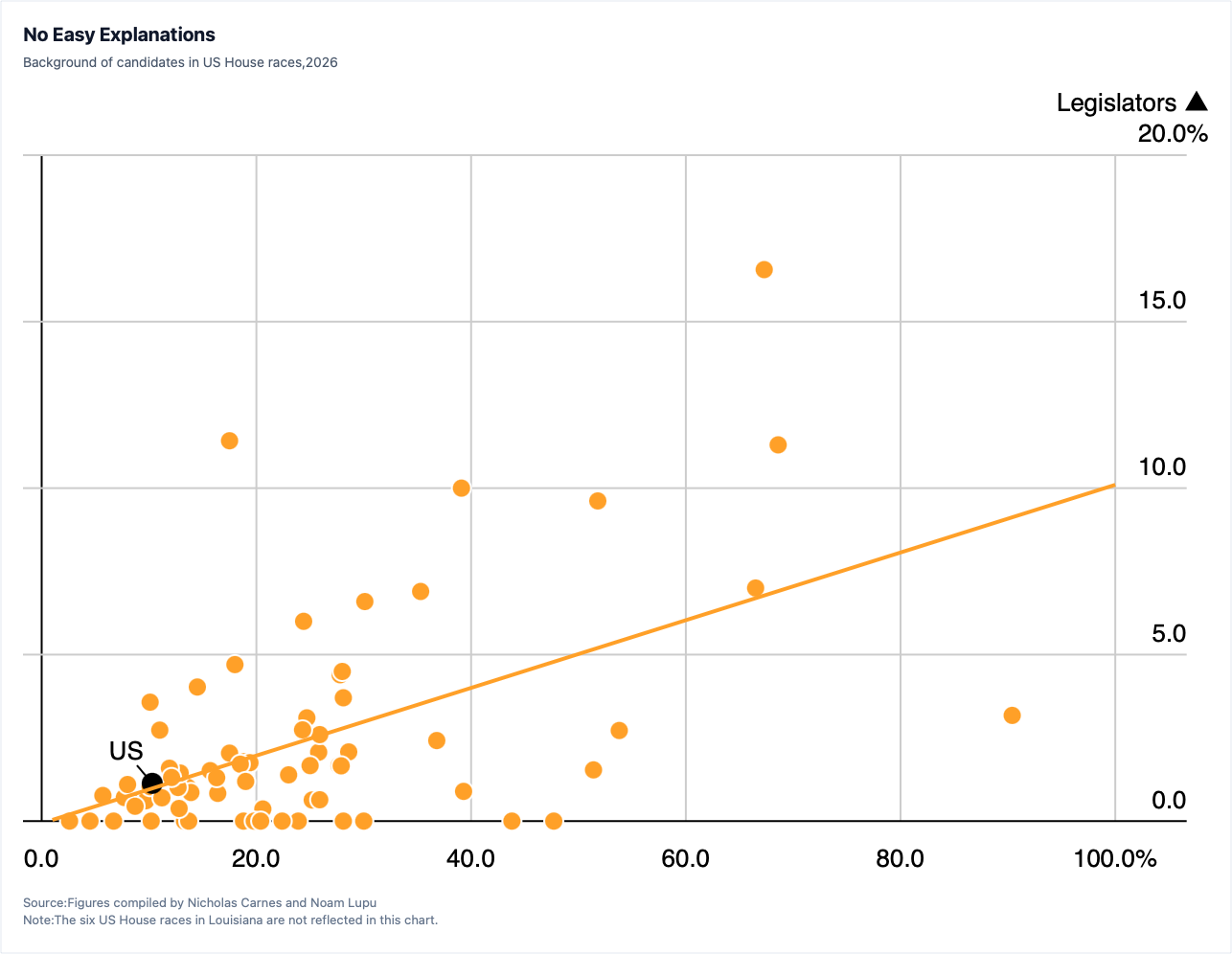
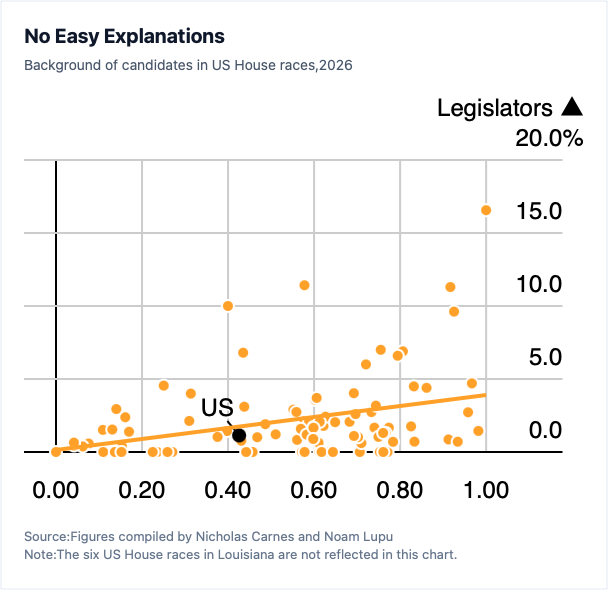
The 2026 US congressional elections once again highlight the severe underrepresentation of the working class, with fewer than 1% of major-party nominees having a working-class background despite workers comprising about half the workforce. This deficit has persisted historically, as working-class lawmakers have never exceeded roughly 2% of Congress over the past century. Furthermore, this issue is universal: across 97 democracies where workers make up an average of 70% of the labor force, working-class legislators hold only about 2% of seats, inevitably tilting policy away from labor protections toward affluent professional interests.
This representational gap does not stem from voter bias or a lack of qualified, interested working-class candidates, nor can it be resolved simply by higher union density or public campaign financing. Instead, the primary barrier is the overwhelming personal and financial burden of campaigning, which requires extensive unpaid time, physical stamina, and living expenses that precarious workers cannot shoulder. Consequently, party gatekeepers systematically bypass manual and service workers in favor of affluent professionals who have more flexible schedules and financial security, rarely extending encouragement or recruitment to labor demographics.
To achieve meaningful working-class representation, democratic institutions and parties must actively establish dedicated recruitment, training, and financial support pipelines. Proven models such as candidate schools for union members, political fellowships to cover living expenses during campaigns, and formal party commitments to quota-based candidate backing from local to national levels offer effective solutions. Providing concrete support to place working-class candidates on the ballot is essential if political parties truly wish to earn and reflect the trust of working-class voters.