有些研究人员专注于自然量子系统,例如原子。他们透过在真空腔中捕捉单一原子来作为量子位元,方法包括利用电场来固定带电离子(离子陷阱),或是使用称为光学镊子的雷射光束来捕捉中性原子。另一方面,也有科学家采用超导量子运算技术,利用铝和铌等金属在极低温下制成微小电路来创造人造量子位元。
尽管已有多种量子位元技术在发展中,将小型原型机扩展为拥有数万甚至数百万个量子位元的大型系统,仍是所有方法共同面临的最大挑战。这需要更庞大且复杂的控制与测量基础设施,例如精密的雷射系统或大型稀释冷冻机。目前尚未确定哪种技术会成为未来主流,但这些努力已经催生出科学界最精密的仪器设备。
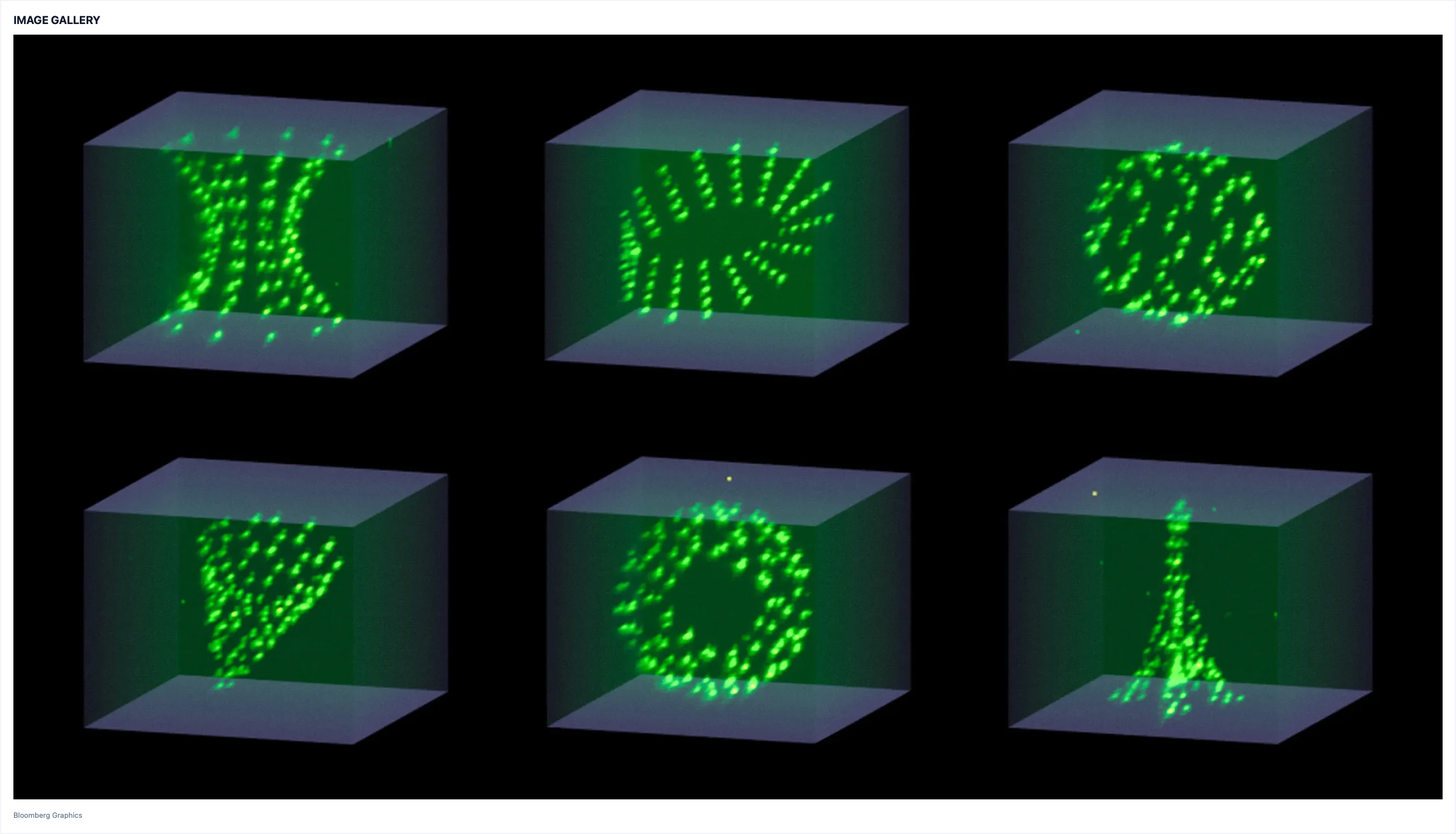
Quantum computing has the potential to process information beyond traditional 0s and 1s and solve complex problems, but building sufficiently powerful quantum hardware remains a significant challenge. Researchers are currently exploring various approaches to developing quantum hardware, differing primarily in the physical systems used as qubits. These qubits must be isolated from outside disturbances while remaining easy for researchers to manipulate.
Some researchers focus on natural quantum systems, such as atoms. They trap single atoms in a vacuum chamber to serve as qubits, using methods that include electric fields to hold charged ions in place (trapped ions) or tightly focused laser beams called optical tweezers to trap neutral atoms. Alternatively, other scientists pursue superconducting quantum computing, creating artificial qubits by building tiny circuits from metals like aluminum and niobium that operate at extremely low temperatures.
Although various qubit technologies are in development, scaling up small prototypes into large systems with tens of thousands or even millions of qubits remains the biggest challenge across all approaches. This requires vastly larger and more complex control and measurement infrastructure, such as intricate laser systems or massive dilution refrigerators. While it is still unclear which technology will ultimately prevail, these ambitious efforts have already produced some of science's most intricate machinery.