攀时集团的核心竞争优势在于成熟的回收体系,每年生产的 15,000 吨钨中有超过 90% 来自废弃钻头与切削工具等废料,不仅大幅降低对中国原生矿产的依赖,更减少了约八成的碳排放。随著中国自身转为净进口国并加强管控,美国与欧盟也纷纷推出出口限制与关键原料法案,使攀时集团横跨奥地利、芬兰及美国的跨国精炼与回收网络具备高度战略价值。
为因应美国国防部即将在 2027 年全面限制进口中俄钨制品的严格溯源要求,攀时集团除了扩建美国宾州工厂以建立战略储备外,亦与南韩桑东矿山签订长达 21 年的精矿供应合约。尽管重启西方矿场与建立自主供应链仍面临环保审查与高昂成本等挑战,但确保废旧钨工具留在西方体系内进行循环回收,已成为欧美摆脱对华关键矿物依赖的最关键路径。
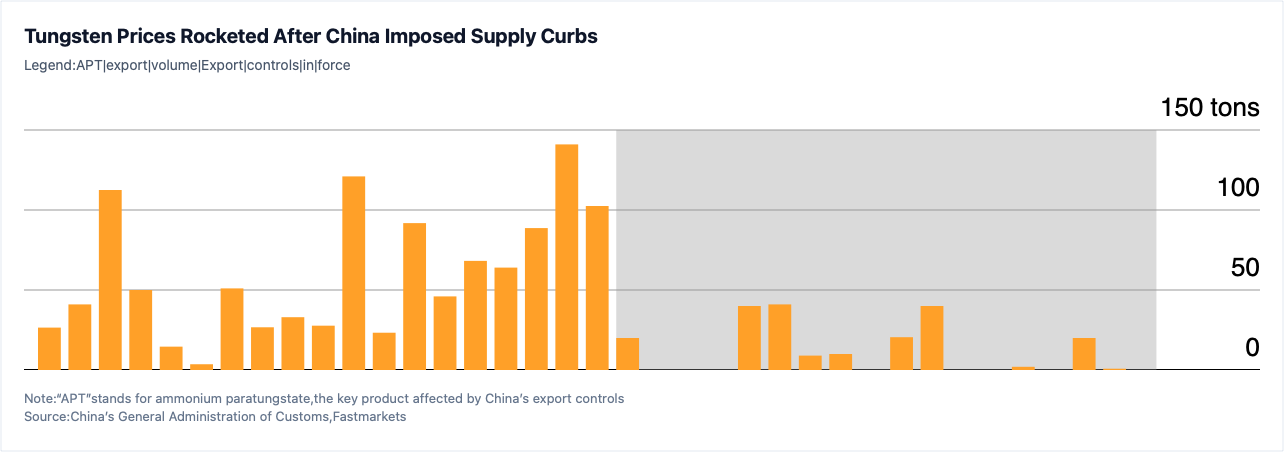
Austria's Plansee Group has established one of the West's most formidable critical minerals operations outside China, supplying tungsten—a strategic metal vital for automotive manufacturing, semiconductors, and armor-piercing munitions due to its hardness and heat resistance. As China's dominance over the supply chain and recent export controls trigger global shortages and soaring prices, Plansee has emerged as the largest non-Chinese manufacturer, accounting for roughly 12% of global demand and supplying key industry leaders such as ASML and SpaceX.
The company's primary strategic advantage stems from its circular model: more than 90% of its 15,000 metric tons of annual output is recycled from worn drill bits and scrap tools rather than newly mined ore, drastically reducing reliance on China while slashing carbon emissions by up to 80%. Amid tightening global supplies, Chinese domestic demand spikes, and stricter Western trade controls—such as US curbs on scrap exports—Plansee's decentralized recycling and refining network across Europe and the US provides unprecedented leverage.
With upcoming Pentagon regulations set to ban tungsten from China, Russia, Iran, and North Korea by 2027, Plansee is expanding its Pennsylvania facilities to build strategic reserves and securing a 21-year supply agreement with South Korea's Sangdong mine. Although developing Western alternative mines continues to face environmental and regulatory hurdles, ensuring that scrap materials remain within Western jurisdictions for high-grade recycling has become the cornerstone of reducing dependence on Chinese critical minerals.