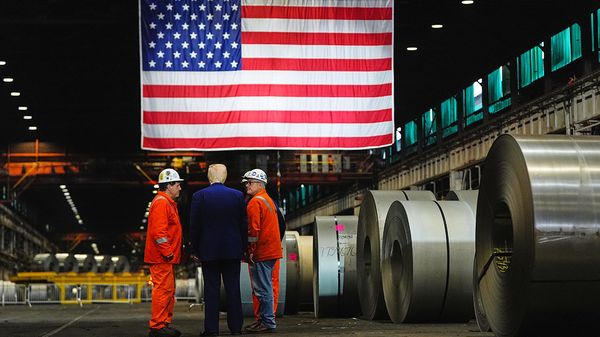
在去年4月2日的“解放日”后,特朗普将关税推升至近百年高位,但一年后制造业并未出现“回流”复兴。制造业采购经理人指数显示2025年大部分时间处于衰退,产量只回到几年以前水平;同期制造业就业减少约10万,而其他部门新增约30万。
所谓的恢复主要集中在少数行业:波音在处理过罢工与安全问题后推高了航空航天产量,电脑电子得益于2022年《芯片法案》补贴,制药则受GLP-1减重药热刺激。
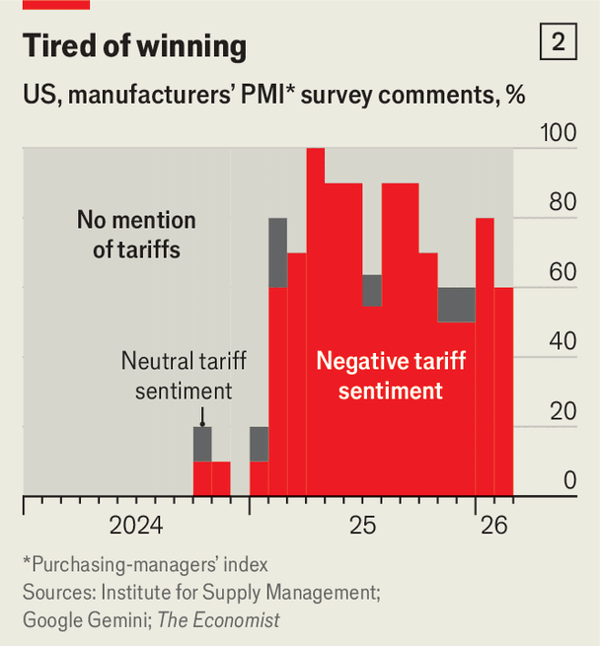
ISM制造商评论几乎都指向关税,几乎没有正面表态,企业普遍认为反复变动和新增合规负担抬高了经营成本。位于俄亥俄的EarthQuaker Devices估计过去一年为关税合规耗费约400工时,其原材料中有94%进口,但对“非法征税”退款却主要流向进口商渠道,企业往往未直接受益。
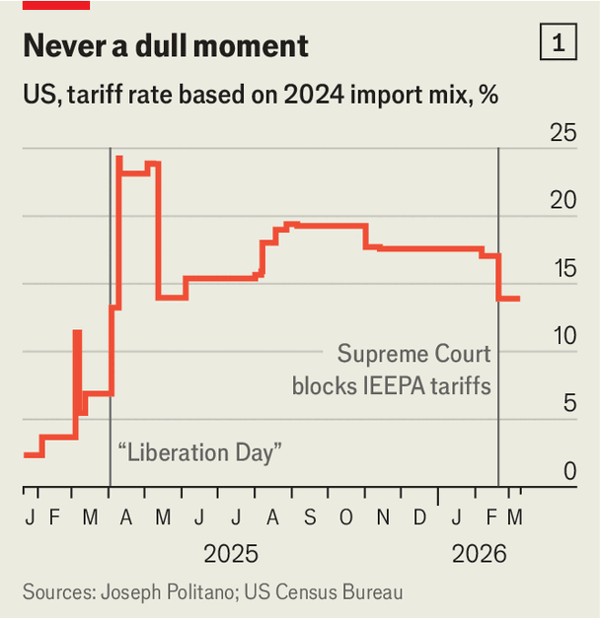
After “Liberation Day” on April 2, tariffs were pushed to near-century highs, but one year later manufacturing has not shown a broad revival. ISM data showed manufacturing in recession for most of 2025, with output only back to levels from a few years ago, while manufacturing jobs fell about 100,000 as the broader economy gained roughly 300,000.
The modest manufacturing gains were concentrated in a few sectors: Boeing-driven aerospace ramp-up after strikes and safety issues, electronics supported by the 2022 CHIPS Act, and pharmaceuticals boosted by the GLP-1 drug boom. Manufacturer comments in ISM reports have been overwhelmingly about tariffs, with no positive ones, and many firms cite the churn and paperwork as a drag; one Ohio firm spent about 400 hours on tariff compliance, with 94% imported inputs and refunds on newly invalidated tariffs often not reaching the actual importer.
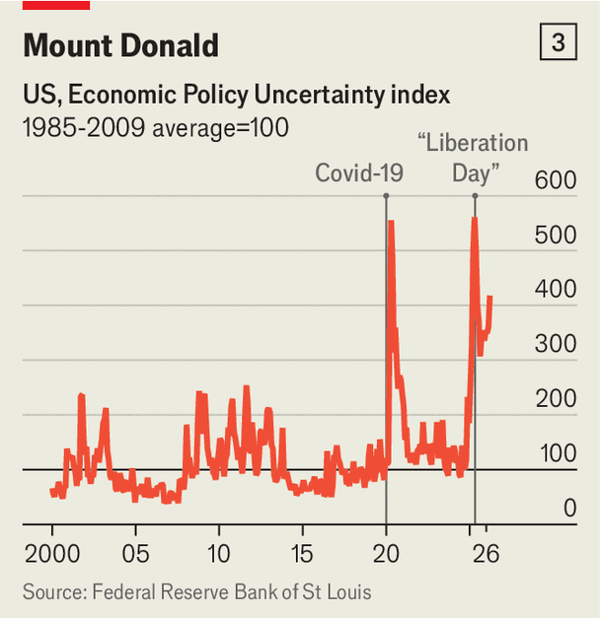
Policy uncertainty after Liberation Day has stayed at record highs, above early-COVID levels, hurting hiring and investment decisions, while reshoring remains limited: only 9% of surveyed Ohio manufacturers are reshoring versus 4% five years ago. The stopgap 10% universal tariffs introduced in February expire in July and are to be replaced by patchwork sector/country measures, and with frequent exemptions (including semiconductors) and higher costs from import inputs like steel, the probability of a broad manufacturing renaissance looks increasingly weak.
Source: “Liberation Year” has not freed American factories
Subtitle: Even the winners from Donald Trump’s trade war are feeling squeezed
Dateline: 4月 02, 2026 01:02 上午 | Washington, DC