李飞飞回顾 25 年 AI 研究路径,从早期仅 4 到 20 类图像数据集的时代推进到 2009 年前后创建包含 22,000 类与约 1,500 万张标注图像的 ImageNet,实现数量级跃升并重塑视觉智能研究。她将 AI 的影响描述为“文明级别”,强调三年来自 ChatGPT 的扩散与全球投资激增使 AI 触及几乎所有人的工作与生活。她指出 AI 相关资本开支已超过全部非住宅投资的一半,展现结构性规模扩张。
李飞飞创办仅一年多即估值约 10 亿美元的 World Labs,聚焦“空间智能”,作为视觉智能后的下一阶段,使机器理解 3D 空间、运动与交互。她强调 AI 对劳动结构的强影响,引用部分行业中如客户支持岗位被自动化替代率可达约 50%,并警告技术既有积极面也可能产生误用风险。对超级智能风险,她不同意 10%–20% 灭绝概率的判断,认为关键在于人类治理而非机器本身。
她指出美国与中国是全球两大 AI 强国,并承认中国在专利与论文产出中呈现显著增长趋势。她强调数据中心能耗的持续攀升,其中美国预计 2026 年总电力使用量将增长约 2.15%,商业用户因数据中心扩张带来约 5% 增幅,将推动行业重新评估能源结构。她担忧教育体系特别是教师是否被充分带入 AI 时代,但总体坚持“人的能动性”为核心的价值定位。
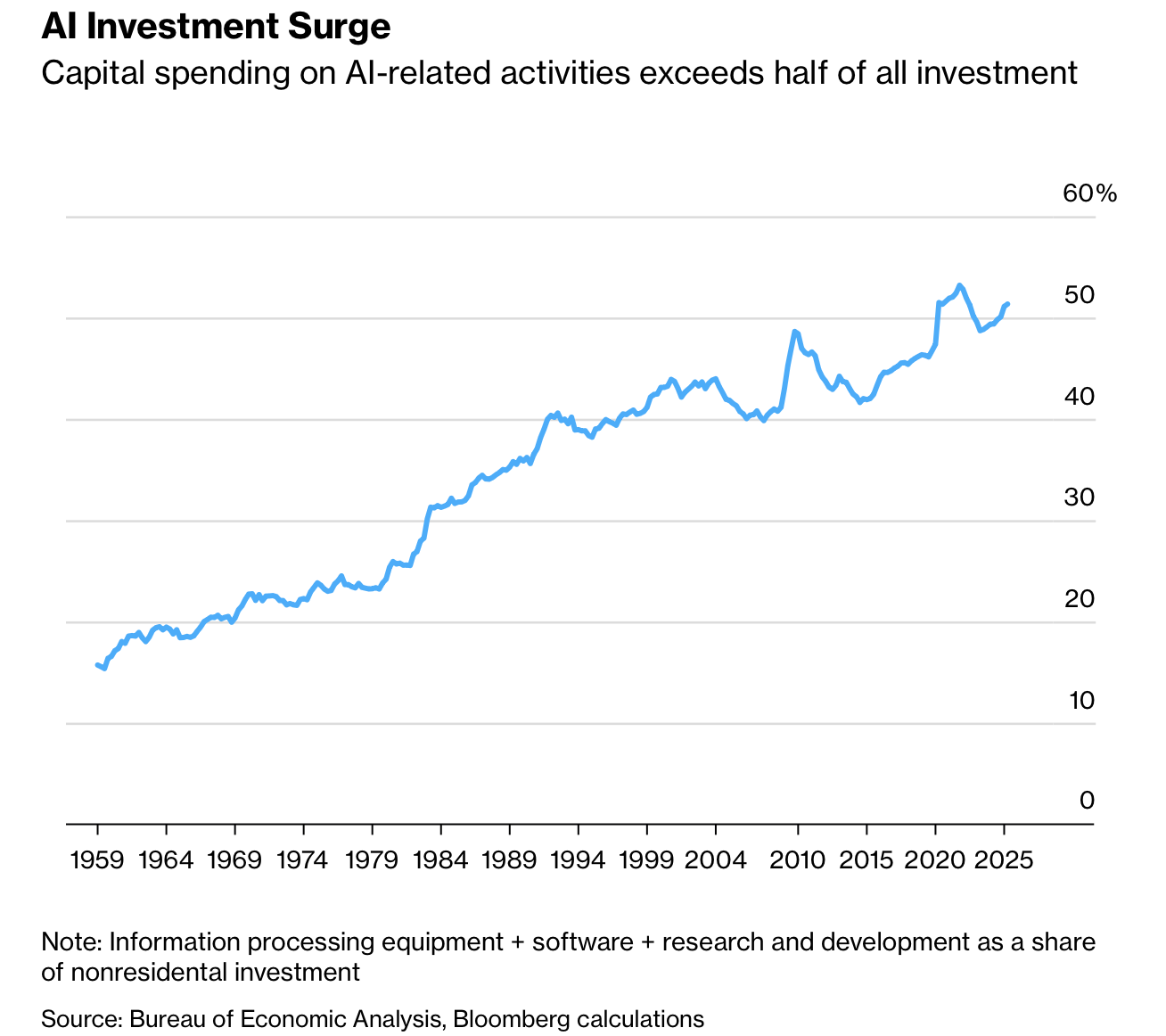
Fei-Fei Li recaps 25 years in AI, moving from early image datasets containing only 4 to 20 categories to the creation of ImageNet with 22,000 categories and about 15 million labeled images, a scale shift that transformed visual intelligence research. She describes AI’s impact as “civilizational,” noting that in the three years since ChatGPT, global adoption and investment have surged, touching nearly every aspect of life and work. Capital spending on AI-related activities now exceeds half of all nonresidential investment, reflecting a structural expansion.
Li leads World Labs, a company about a year old valued near $1 billion, developing “spatial intelligence” as the next frontier beyond visual recognition, enabling machines to interpret 3D space, motion, and interaction. She highlights AI’s strong effect on labor structures, citing automation rates such as roughly 50% displacement in customer-support roles in some companies, and stresses that technology has both benefits and misuse risks. On superintelligence, she disagrees with a 10%–20% extinction probability, arguing that outcomes depend on human governance rather than machines.
She identifies the US and China as the two AI powerhouses and notes China’s rapid growth in patents and publications. She emphasizes rising energy demand from data centers, with US power usage projected to increase about 2.15% in 2026 and commercial demand rising around 5% due to data center expansion, forcing reassessment of energy policy. She worries about whether educators—especially teachers—are being brought into the AI era, while insisting that human agency remains the foundational principle.