推动这波轧空涨势的核心在于市场对人工智慧叙事的强烈追捧,许多被列为高做空清单的「下一波AI」概念股表现尤为抢眼。转型投入AI基础设施的Rackspace自1月初以来暴涨320%,Terawulf与Iren等相关概念股亦录得显著涨幅,重创看跌部位;然而转型阵痛期的公司如Under Armour与JetBlue等仍深陷跌势,个股表现分化剧烈。
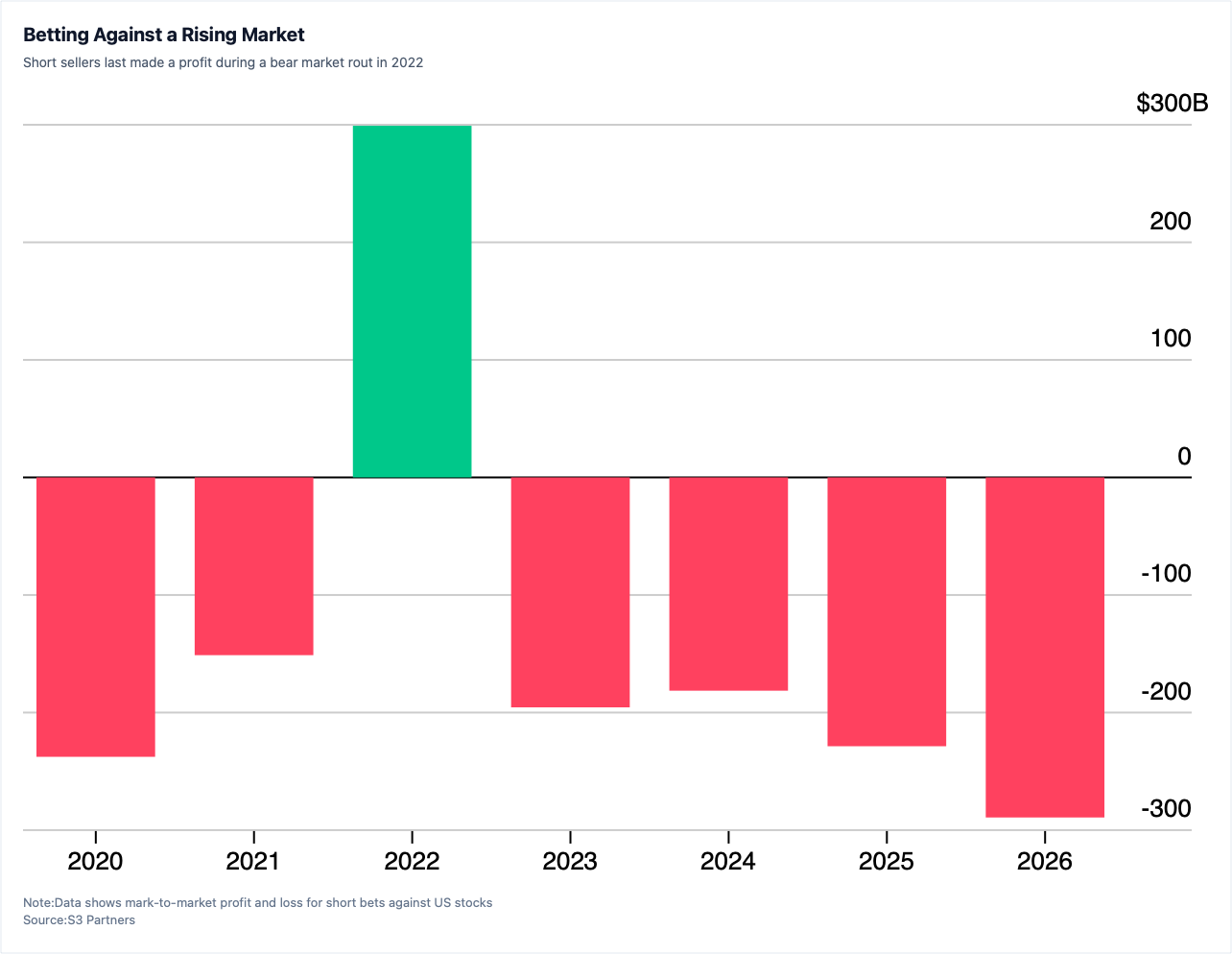
尽管高空头组合在9月份出现4.3%的回档,且市场预期10月下旬有高达65%的升息机率,但空头投资者并未撤退。2026年看跌部位规模大幅增加2430亿美元,已超越过去两年的总和,这主要源于避险基金透过高杠杆增加空头部位,以对冲其庞大的净多头风险敞口。
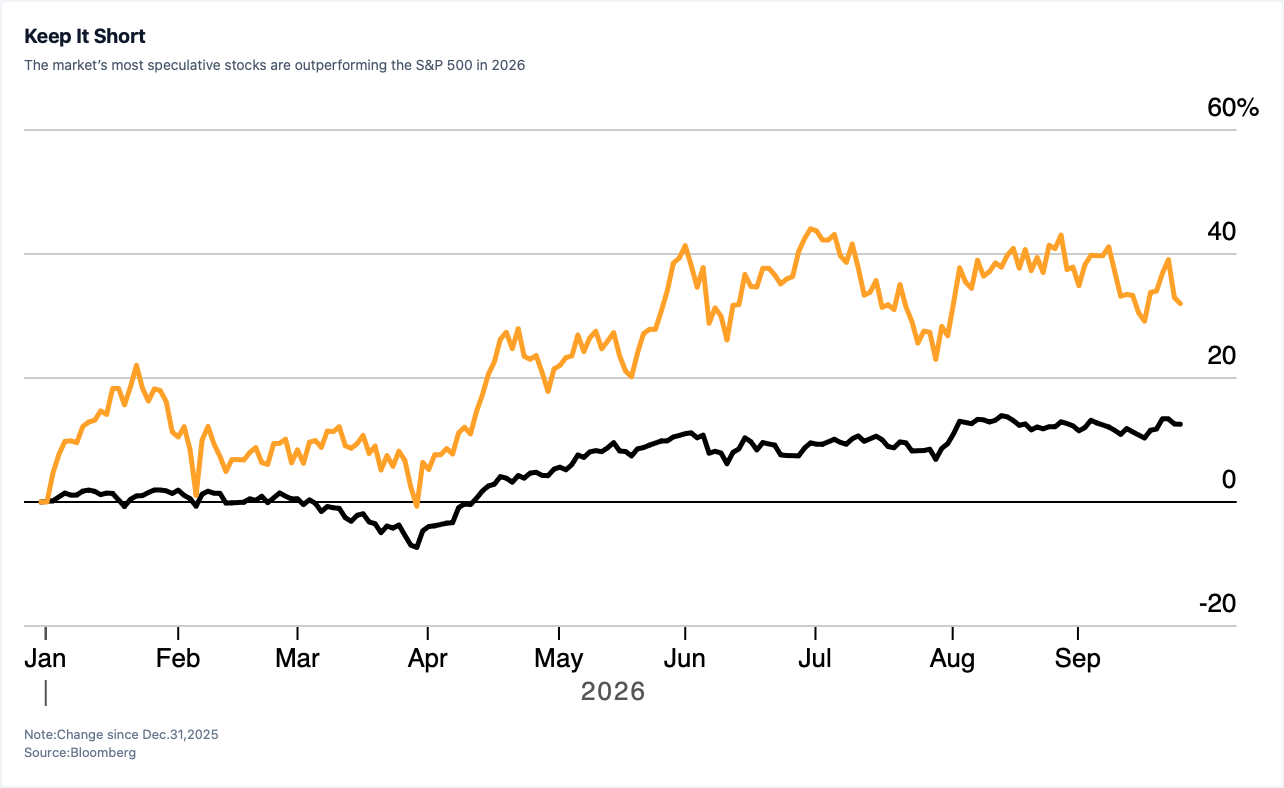
Despite macroeconomic challenges such as rising bond yields, persistent inflation, and geopolitical conflicts, Goldman Sachs's basket of the most-shorted US stocks has surged 31% year-to-date in 2026, easily outperforming the S&P 500 Index. If this momentum continues, the speculative group is on track to rally 46% for the year, marking one of its best annual performances since the near-zero interest rate era in 2020.
Central to this short-squeeze rally is the persistent market enthusiasm surrounding artificial intelligence, with heavily shorted 'next AI' momentum plays leading the charge. Rackspace, which pivoted toward AI infrastructure, has skyrocketed 320% since January, while infrastructure providers like Terawulf and Iren posted major gains that whipsawed short sellers, even as turnaround candidates like Under Armour and JetBlue lagged behind.
Although the most-shorted basket retreated 4.3% in September amid a roughly 65% probability of a late-October interest-rate hike, short sellers remain determined rather than retreating. Bearish interest has surged by $243 billion so far in 2026, surpassing the combined figures of 2024 and 2025, largely driven by leveraged hedge funds adding short positions to hedge their existing net-long exposures.