中国的 AI 发展已不再是单一企业的偶然突破,而是具备了持续产出世界级尖端模型的系统性能力。这股被称为「DeepSeek 死亡之区」的浪潮,不仅提供低成本的替代方案,更在逻辑推理与程式编写等复杂任务上展现出高端能力,迫使全球竞争对手面临要么降价、要么投入巨资提升效能的艰难处境。
尽管这些中国企业在短期内为了争夺市占率与技术领导地位而牺牲利润,陷入激烈的价格战,但其高性价比的开源竞争力已对 OpenAI 等寻求高估值的美国企业构成威胁。此外,在影片生成领域,字节跳动与快手等中国公司也透过不计短期回报的巨额投资,迅速抢占 OpenAI 暂缓布局市场所留下的空白。
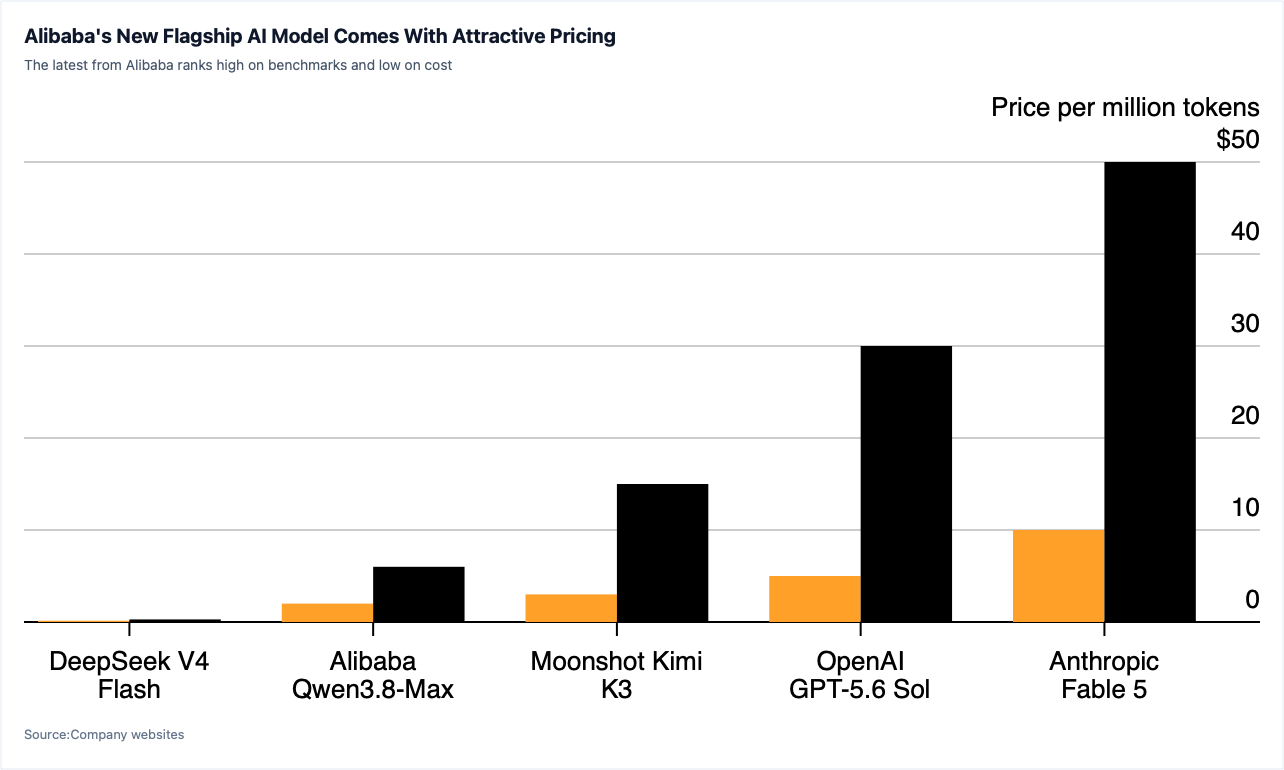
The Chinese artificial intelligence sector has recently launched a series of breakthrough models, rapidly narrowing the technological gap with Silicon Valley and delivering a massive market shock through highly competitive pricing and outstanding performance. For instance, Alibaba's Qwen3.8-Max and Moonshot AI's Kimi K3 have demonstrated capabilities rivaling top-tier US models, while also sparking questions about the effectiveness of US chip sanctions.
China's AI development is no longer an isolated breakthrough by a single company, but rather a systematic ability to consistently produce world-class frontier models. This wave, characterized as the "DeepSeek death zone," provides not only low-cost alternatives but also high-end capabilities in complex tasks like logical reasoning and coding, forcing global competitors into a difficult position of either slashing prices or investing heavily to improve performance.
Although these Chinese companies are sacrificing short-term profits and engaging in a brutal price war to capture market share and technological leadership, their highly cost-effective, open-source competitiveness already threatens US companies like OpenAI that are seeking high valuations. Furthermore, in the video generation sector, Chinese firms such as ByteDance and Kuaishou are rapidly seizing the market void left by OpenAI's delayed deployment through massive investments that disregard immediate returns.