美国于2026年1月突袭并拘押委内瑞拉总统马杜罗,标志着特朗普政府以单边武力重塑国际秩序。行动在未与盟友协商的情况下进行,延续其第二任期内对至少7个国家动用军事力量的轨迹。特朗普公开将国家安全界定为对“商业、领土和资源”的控制,随后点名古巴与格陵兰作为潜在施压对象。这一做法被视为对冷战后多边秩序的明确背离,引发从拉美到亚洲的强烈反应。
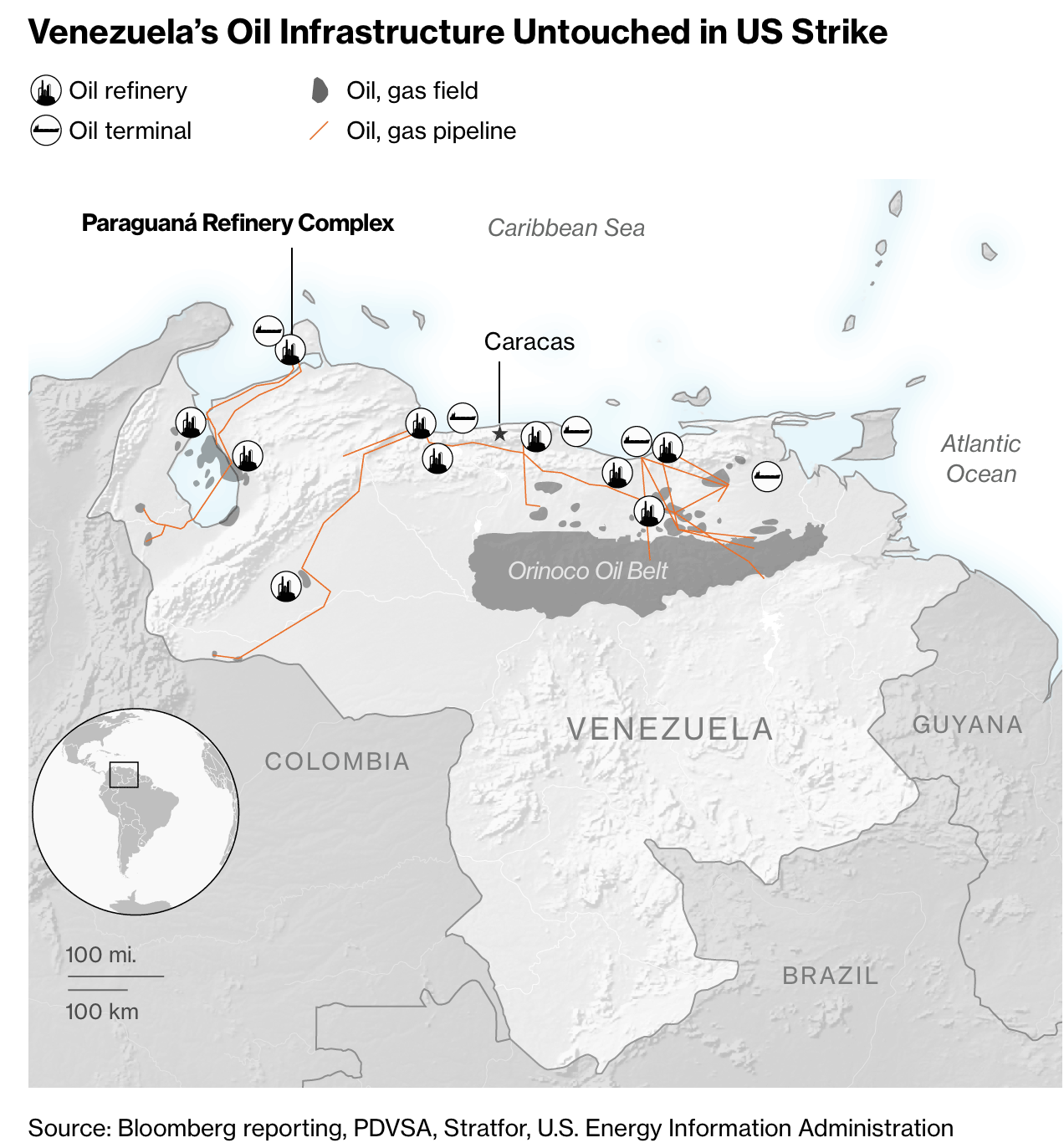
经济与资源是该战略的核心。特朗普与国务卿强调获取委内瑞拉石油,称其储量约占全球的17%,为世界最大;并承诺由美国能源公司投入数十亿美元重建基础设施。委内瑞拉人口约3,000万,海岸线近3,000公里,具备连接巴拿马运河、美国墨西哥湾沿岸与欧洲的港口与旅游潜力。消息公布后,美国油气股上涨,但业界警告,若缺乏稳定政权与安全保障,资本回流风险极高。
影响正外溢至全球治理。丹麦警告若以武力觊觎格陵兰将终结北约;多国批评行动违反联合国宪章,安理会紧急会议难以形成共识。分析人士担忧该模式可能被效仿,增加台海、乌克兰等热点的升级风险。美国国内也出现分歧,距中期选举约10个月之际,选民对对外干预的成本与收益存疑。尽管反对声浪上升,特朗普显示出继续推进“先行动、后善后”的意图。
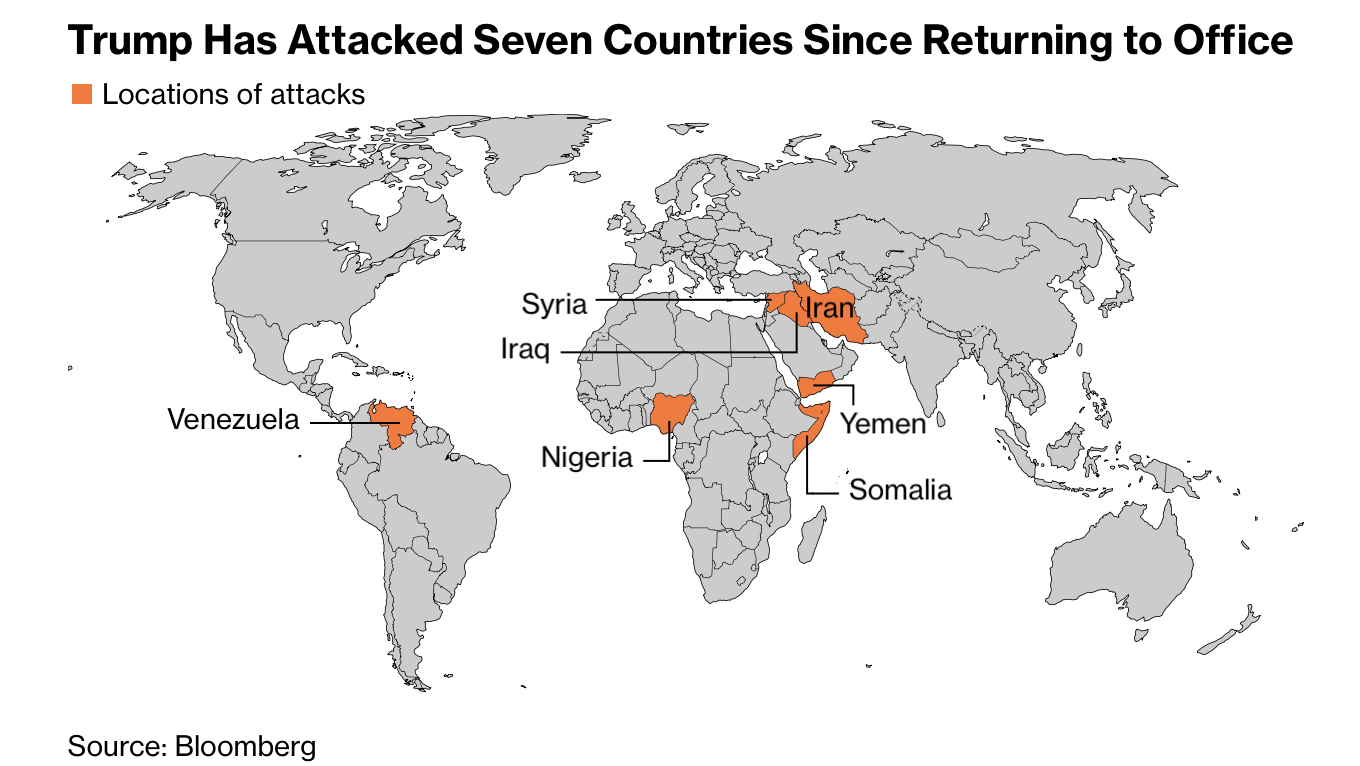
The US raid that captured Venezuelan President Nicolas Maduro in January 2026 signaled a unilateral reshaping of global order under President Donald Trump. The operation, carried out without consulting allies, followed a second-term pattern of using force against at least seven countries. Trump framed national security as control over “commerce, territory and resources,” and quickly floated pressure on Cuba and Greenland. The move marked a clear break from post–Cold War multilateralism and triggered sharp reactions across Latin America, Europe and Asia.
Economic dominance sits at the center of the strategy. Trump and his secretary of state highlighted access to Venezuela’s oil, estimated at about 17% of global reserves, the world’s largest, and promised US companies would invest billions to rebuild infrastructure. Venezuela’s roughly 30 million people and nearly 3,000 kilometers of coastline offer ports and tourism linking the Panama Canal, the US Gulf Coast and Europe. US energy stocks rallied, but industry veterans warned that absent a stable government and security guarantees, large-scale investment remains risky.
The repercussions extend to global governance. Denmark warned that any forcible move on Greenland would end NATO, while multiple governments said the strike violated the UN charter and forced an emergency Security Council meeting unlikely to yield consensus. Analysts fear the precedent could be emulated, raising escalation risks over Taiwan, Ukraine and other flashpoints. At home, divisions surfaced with US midterms about 10 months away, as voters question the costs and benefits of intervention. Despite rising criticism, Trump appears intent on a doctrine of acting first and managing consequences later.