在3月,中国深圳一家深圳市总部前,数百人排队安装腾讯的AI应用“OpenClaw”,这一“龙虾式”抢购在全国多地重演,主要是学生和退休人群。热度最初远超美国同类应用,但很快因敏感数据被删除、算力耗尽与安全隐患的负面报道而降温,银行和其他敏感行业随后将其禁用,并几乎立刻催生出“付费卸载”市场。
中国官方把AI视为“划时代技术”,并把它与与美国的竞争和复苏放在同一框架中,但政策节奏已从早期聚焦“机器人接管”等科幻化恐惧,转向更硬性的治理:自ChatGPT于2022年发布后,模型需注册并做禁用词测试,最新禁令又加入禁止鼓励自残和情感依赖。
在经济与就业层面,压力同样上升:官方智库显示,担忧AI取代工作的工人比例从2024年的49%升至去年59%;青年失业率达到16%,约为美国大约两倍;武汉自动驾驶出租车停摆、超百辆离线致乘客上路受困2小时,推动监管机构会同安全部门起草更严格的代理行为规则。
In March, hundreds queued outside Tencent headquarters in Shenzhen to install OpenClaw, and similar “lobster-farming” crowds of students and pensioners spread across China, with user momentum initially surpassing that in the United States. The surge quickly cooled after reports of deleted sensitive data, heavy computing consumption, and security concerns, then regulators banned it in banks and sensitive sectors and a paid “uninstallation” market appeared almost immediately.
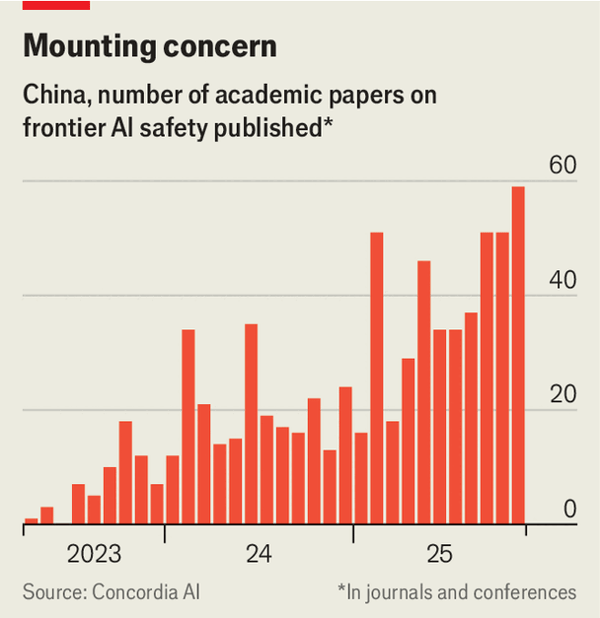
Chinese leaders now treat AI as an “epoch-defining” technology central to competition with America and growth policy, yet controls have tightened from early focus on speculative takeover fears to mandatory oversight: after ChatGPT’s 2022 debut, firms had to register models and pass prohibited-term checks, and a new directive now blocks systems from encouraging self-harm or emotional dependence.
Public anxiety is rising in tandem with deployment: state data show workers fearing job replacement rose from 49% in 2024 to 59% last year, youth unemployment stands at 16%—roughly double the U.S. level—while incidents like over 100 robotaxis stopping in Wuhan and stranding passengers for up to two hours accelerated moves toward safety standards, even as authorities still frame AI as a “life or death” national priority.
Source: Why China’s government worries about AI
Subtitle: Its concerns include jobs, security and beating America
Dateline: 4月 16, 2026 04:16 上午