霍尔木兹海峡是全球能源运输的关键瓶颈,2025 年每日约有 1670 万桶原油和凝析油经此运输,占全球海运石油贸易约四分之一,另有接近全球五分之一的液化天然气通过该水道。海峡最窄处仅 21 英里宽、航道单向仅 2 英里,长度约 161 公里,这种地理条件使其容易受到水雷、岸基导弹和无人机的威胁。即便尚未发生实际封锁,地缘紧张局势已在 1 月下旬将布伦特原油价格推至六个月高点。
伊朗若试图关闭海峡,需通过武力或威胁实现,因为国际法保障无害通过。历史上伊朗多次骚扰或扣押船只,但从未真正封锁海峡。2025 年冲突期间,约每天近 1000 艘船只遭遇 GPS 干扰,增加了航行风险并导致 6 月 17 日的一起油轮事故。类似胡塞武装在红海的行动已使 2024–2025 年 1 月红海与亚丁湾航运量较 2022–2023 年平均水平下降约 65%,迫使船只绕行非洲南端。
能源市场对完全封锁高度敏感。分析师估计,伊朗若仅封锁海峡一天,油价可能从 1 月下旬约每桶 70 美元飙升至 120–150 美元。长期封锁将同时切断伊朗自身出口,损害其经济并激怒其最大买家中国。尽管部分国家具备绕行管道能力,但伊拉克、科威特、卡塔尔和巴林几乎完全依赖该通道,使全球能源供应面临系统性风险。
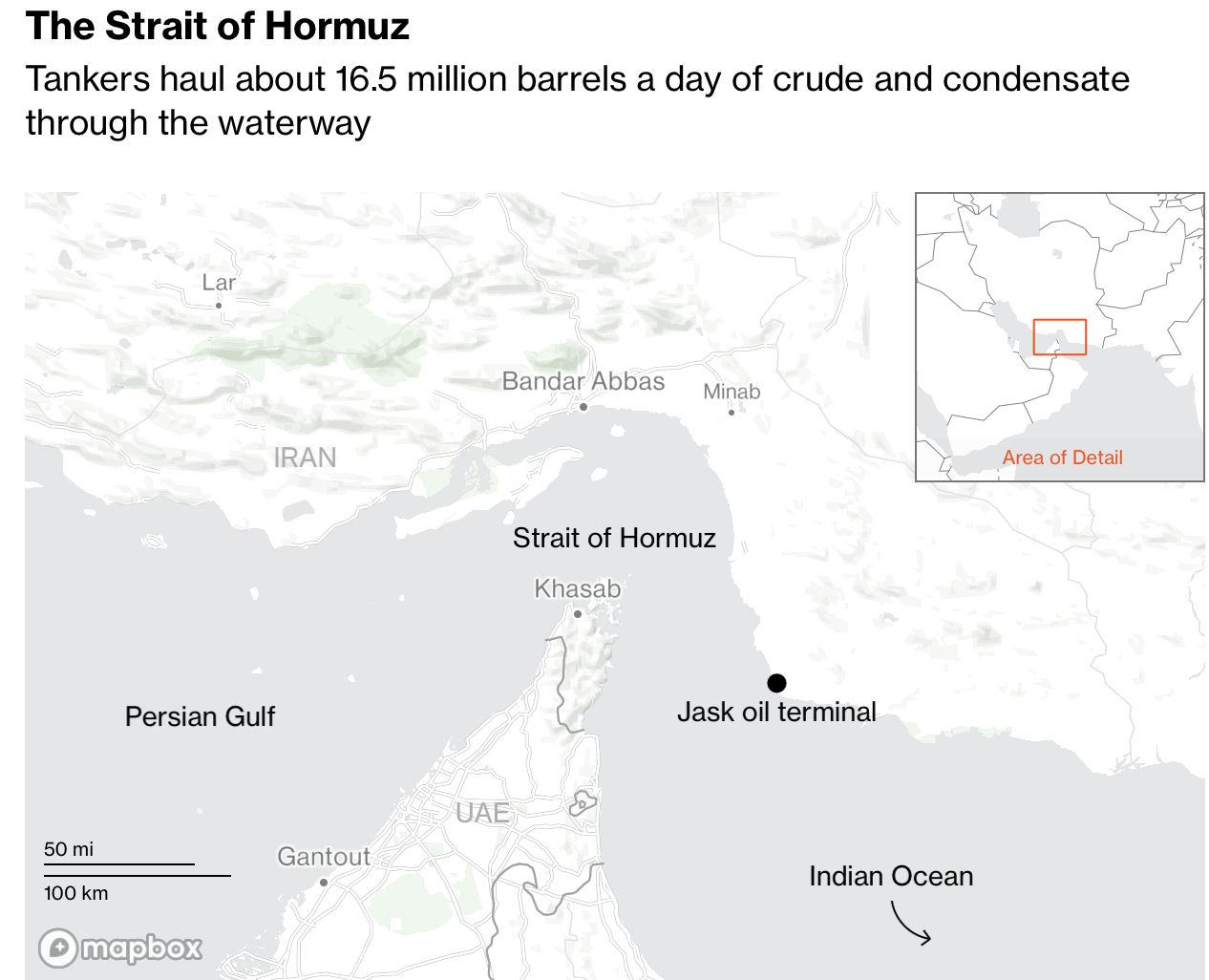
The Strait of Hormuz is a critical global energy chokepoint, carrying about 16.7 million barrels per day of crude and condensate in 2025, roughly one quarter of the world’s seaborne oil trade, plus nearly one fifth of global liquefied natural gas flows. At its narrowest, the strait is just 21 miles wide with shipping lanes only 2 miles each way, and about 161 kilometers long, making vessels vulnerable to mines, shore-based missiles, and drones. Even without an actual closure, rising tensions pushed Brent crude to a six-month high in late January.
Any Iranian attempt to shut the strait would require force or the threat of force, as international law guarantees innocent passage. Iran has harassed and seized vessels repeatedly but has never fully closed the waterway. During 2025 conflicts, nearly 1,000 ships per day experienced GPS jamming, raising navigational risks and contributing to a tanker crash on June 17. Comparable Houthi actions in the Red Sea cut shipping volumes there by about 65% in January 2024–2025 versus 2022–2023 averages, forcing longer and costlier rerouting around southern Africa.
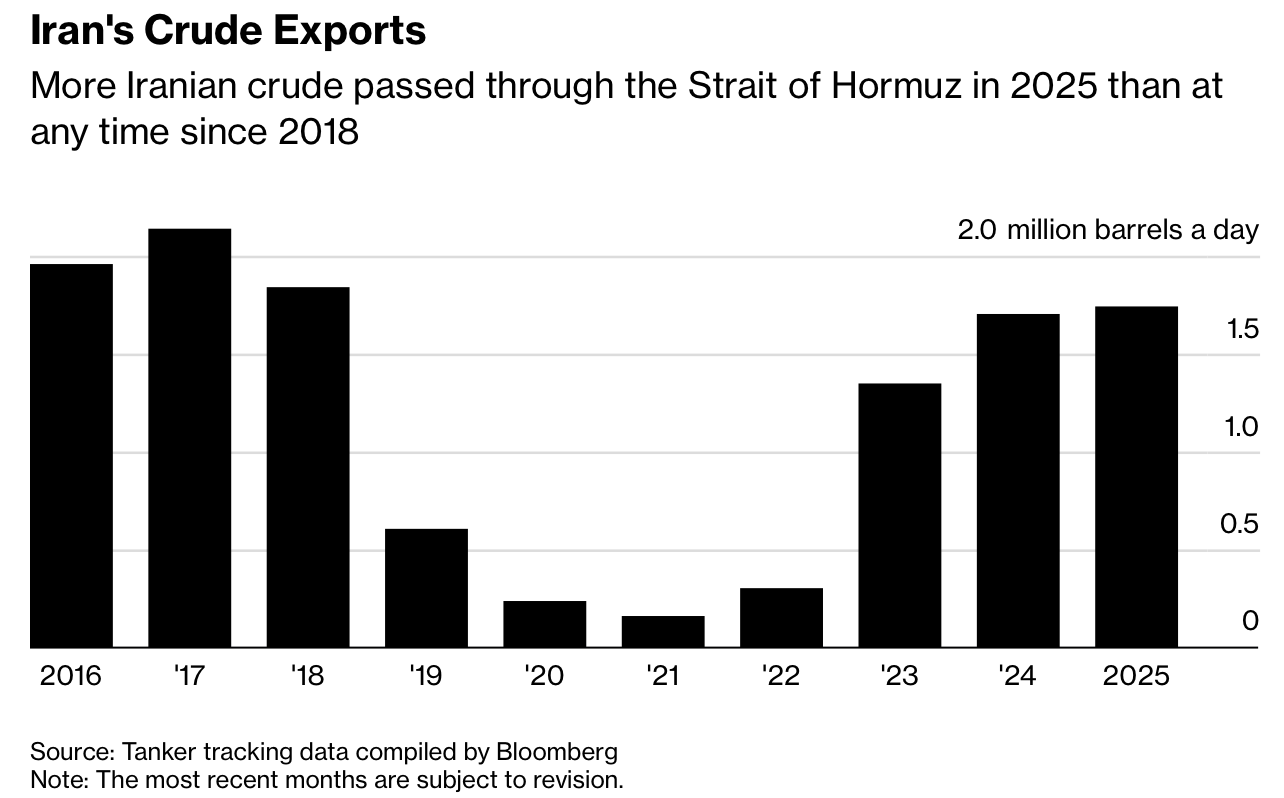
Energy markets would react sharply to a closure. Analysts estimate that blocking Hormuz for just one day could lift oil prices from around $70 per barrel in late January to $120–$150. A prolonged shutdown would also halt Iran’s own exports, damaging its economy and antagonizing China, its largest buyer. While some producers have limited pipeline alternatives, Iraq, Kuwait, Qatar, and Bahrain rely almost entirely on the strait, creating systemic global supply risk.