普遍的共识指出严重的所得税侵蚀风险。核心经济模型表明人工智慧的采用与政府收入之间存在负相关:随著人工智慧取代高薪职业,即使是边际百分比的失业率增加,也将产生不成比例的庞大财政赤字。这种统计上的分歧——其特征为税收下降与社会福利支出攀升同时发生——可能会引发被称为「人工智慧税收缺口」的多年结构性短缺,进而潜在地威胁数十年的主权稳定。
为了减轻这种预期的收入崩溃,经济学家提出了4种主要的税收策略,针对那些从人工智慧整合中获益最多的人。这些框架包括实施财富或奢侈税、增加基准消费税、提高企业税率,或针对人工智慧运算消耗与代币建立新型征费。然而,正如 David Ramli 所分析的,这些财政政策的实施面临著一个普遍的行为经济学挑战:大众对任何总体税收增加的内在抗拒。
Last December, 50 finance and technology experts from organizations including Google DeepMind, the Rand Corporation, and the Federal Reserve System convened at the International Monetary Fund to model the economic impacts of artificial intelligence. Divided into 6 distinct working groups under the Chatham House Rule, their primary objective was to analyze potential statistical shifts in global gross domestic product, government spending, and taxation structures.
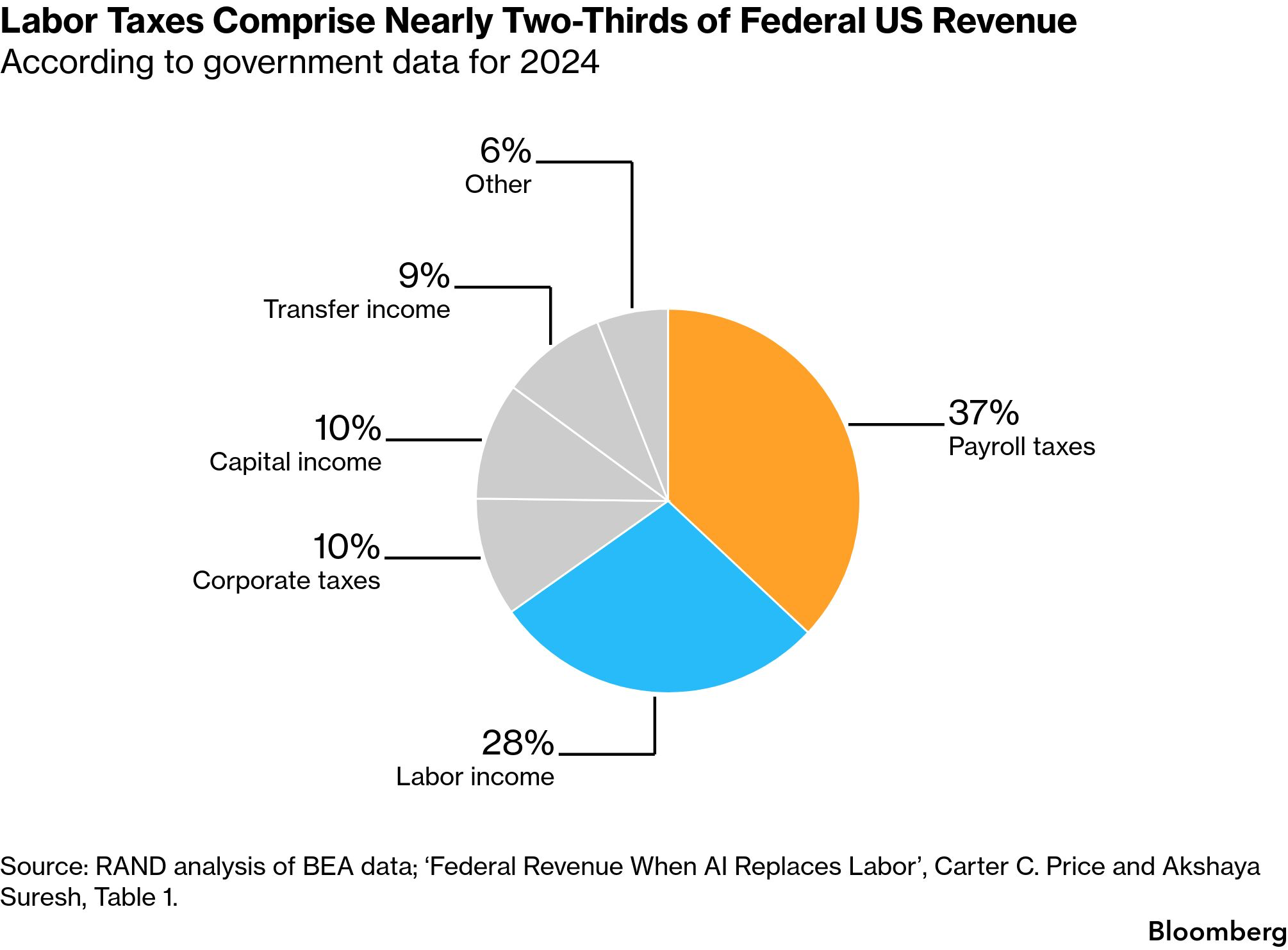
The prevailing consensus indicated a significant risk of severe income tax erosion. The core economic model suggests an inverse correlation between AI adoption and government revenue: as artificial intelligence displaces high-paying occupations, even a marginal percentage increase in unemployment will generate a disproportionately large fiscal deficit. This statistical divergence—characterized by simultaneously decreasing tax yields and escalating social welfare expenditures—could precipitate a multiyear structural shortfall termed the AI tax gap, potentially threatening sovereign stability over several decades.
To mitigate this projected revenue collapse, economists have proposed 4 primary taxation strategies targeting those benefiting most from AI integration. These frameworks include implementing wealth or luxury taxes, increasing baseline consumption taxes, elevating corporate tax rates, or establishing a novel levy on AI computing consumption and tokens. However, the implementation of these fiscal policies faces a universal behavioral economic challenge, as analyzed by David Ramli: the inherent public resistance to any aggregate tax increases.