该政策的策略主要集中在改善购物体验与产品质量等次要领域,却忽略了导致民众不愿消费的根本原因。当前中国消费者面临的主要问题并非缺乏具吸引力的商品,而是收入成长停滞、严重的房地产危机以及社会福利不足导致的消费意愿低落。尽管政府推出了以旧换新等补贴计划,但这主要支撑了特定工业企业,未能真正增加家庭的可用资金。
由于中国决策者目前仍依赖强劲的出口贸易来支撑经济增长,他们缺乏足够的动力去推动能实质提升家庭消费的大规模结构性改革。专家认为,北京当局将继续采取仅能勉强达标的微调政策,以避免解决深层次的结构性问题。然而,在贸易伙伴日益反对并可能引发外交争端的情况下,持续依赖外部需求而不刺激国内消费,将是中国经济发展的一大错失。
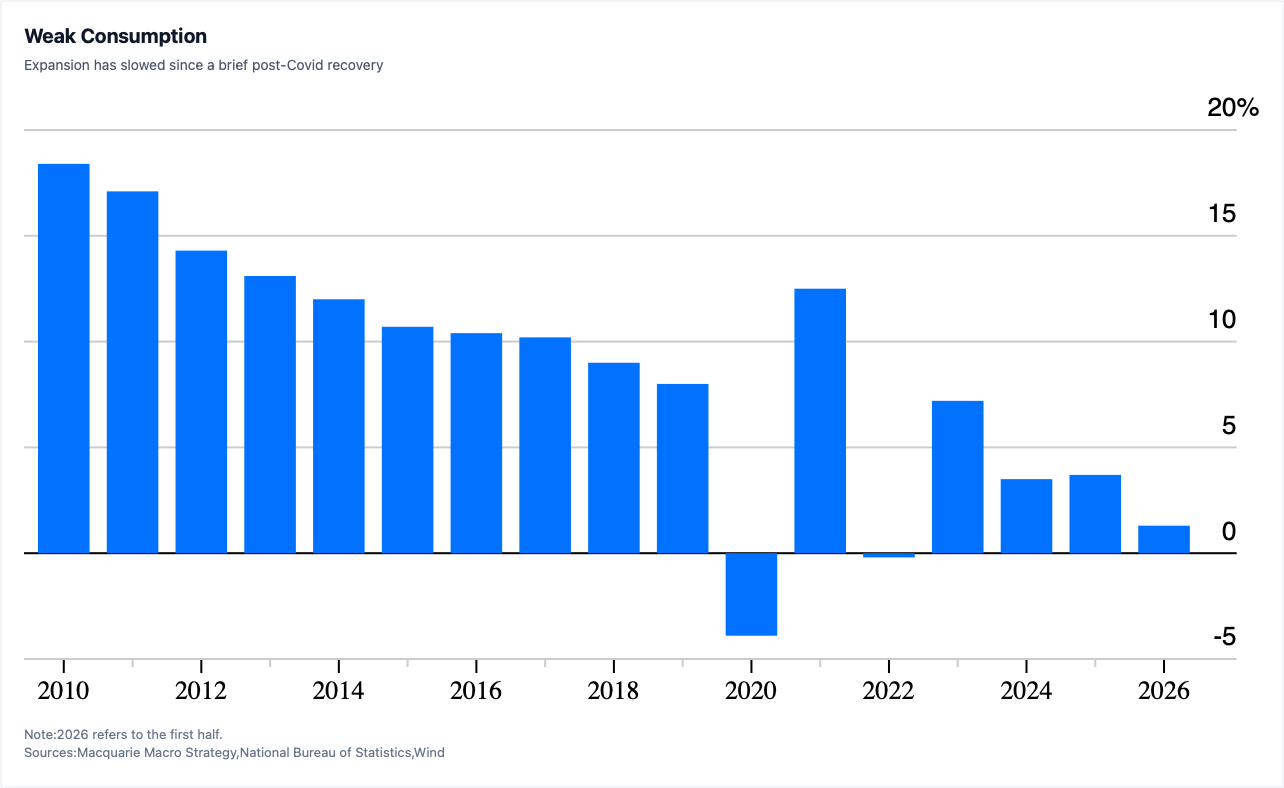
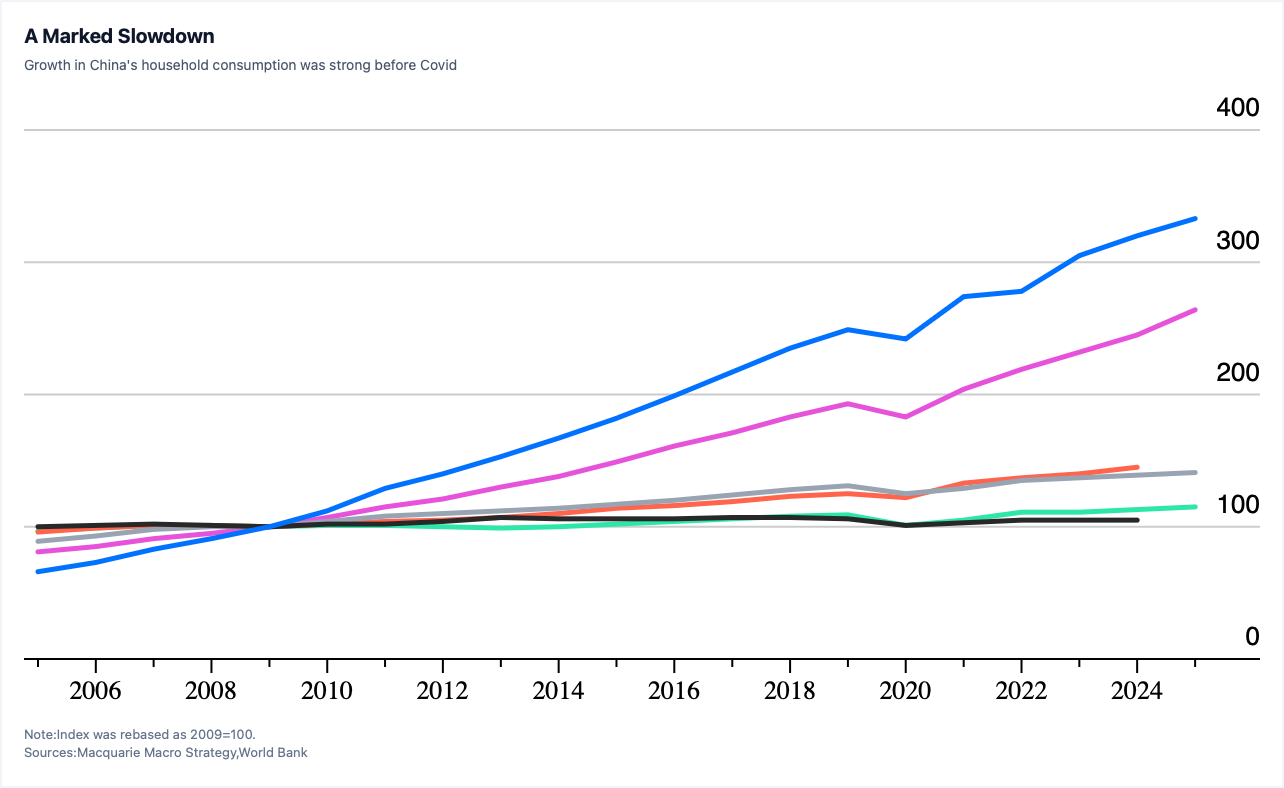
Beijing's recently unveiled first five-year consumption roadmap has failed to deliver the bold measures needed to make personal spending a higher strategic priority. The plan's target of reaching 60 trillion yuan in retail sales by 2030 implies a significant slowdown in the annual growth rate going forward. Such a tepid pace makes it difficult to meaningfully increase consumption's share of gross domestic product (GDP), thereby squandering an opportunity to strengthen domestic demand and ease geopolitical frictions.
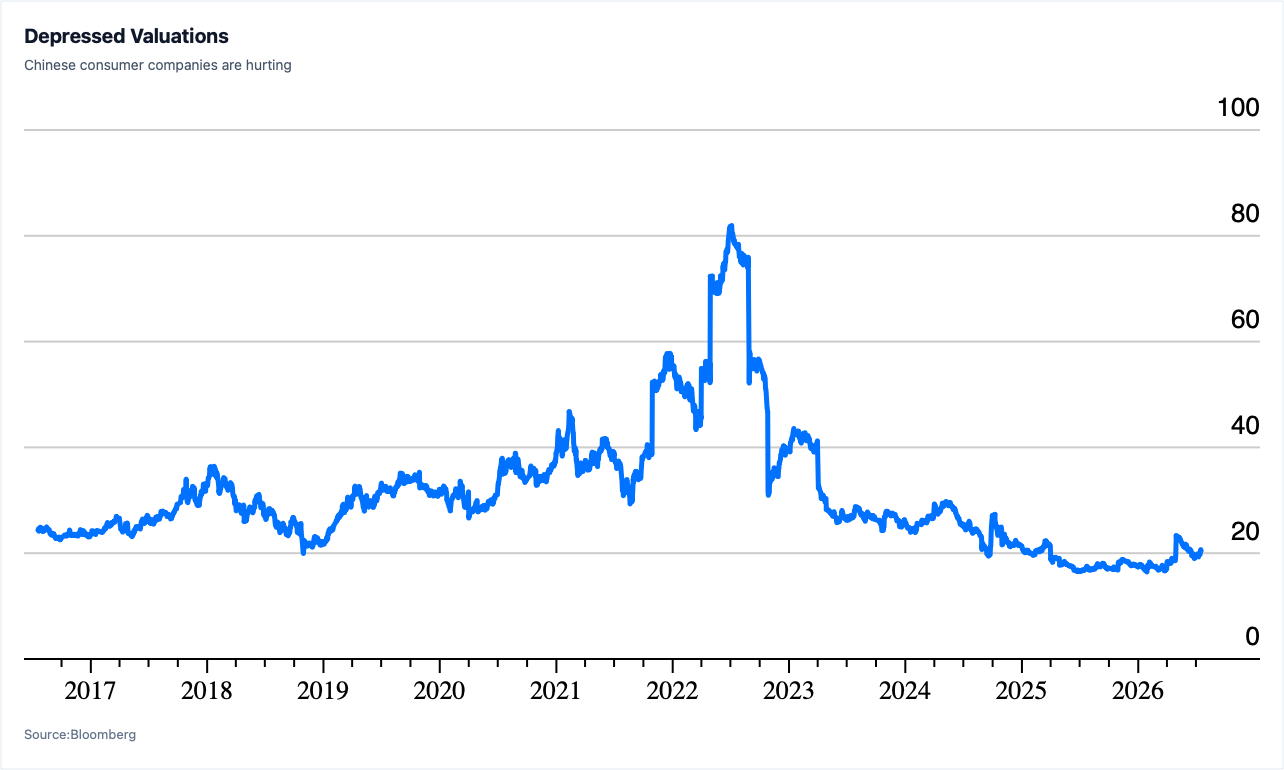
The policy's strategies focus primarily on secondary areas like improving the shopping experience and product quality, yet they ignore the root causes of consumers' reluctance to spend. The main issue currently facing Chinese consumers is not a lack of attractive goods, but rather a low willingness to consume driven by stagnant income growth, a severe real estate crisis, and inadequate social welfare. Although the government introduced subsidy programs like trade-ins, these have largely supported specific industrial enterprises rather than genuinely increasing households' disposable income.
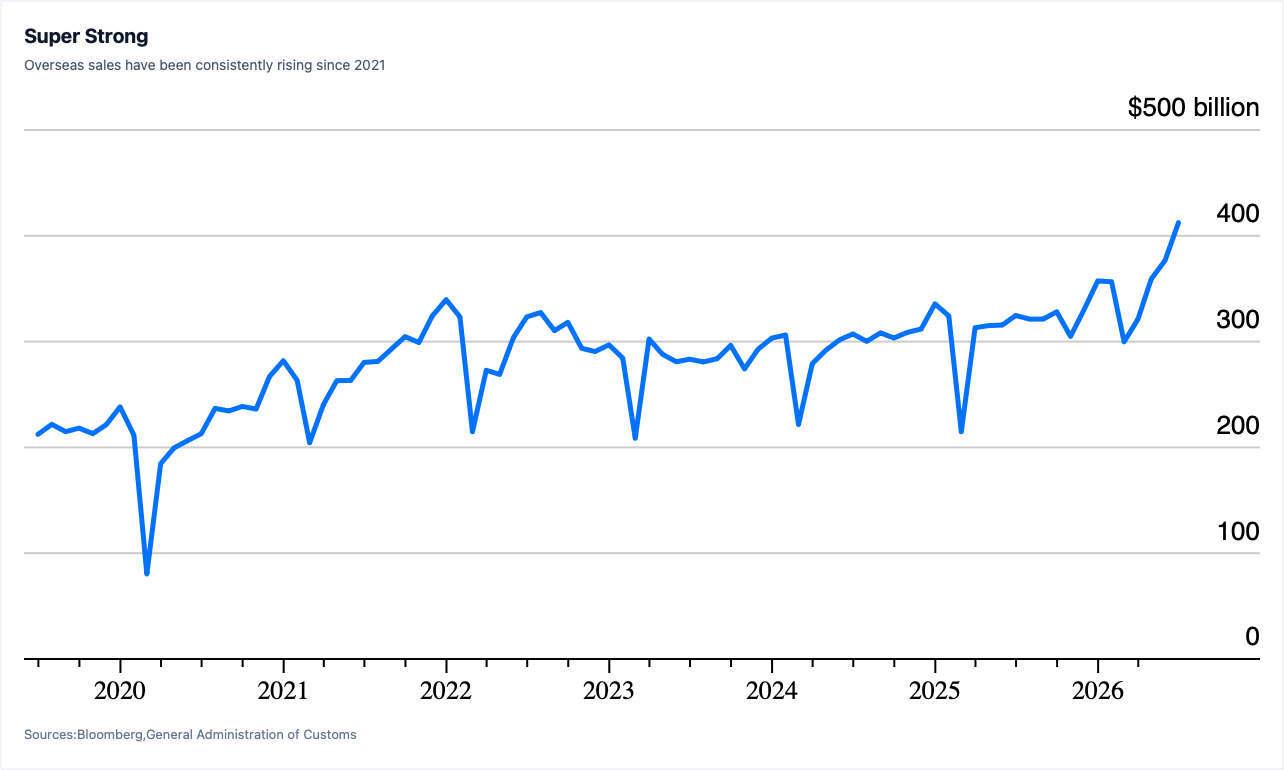
Because Chinese policymakers currently still rely on robust export trade to sustain economic growth, they lack sufficient incentive to push forward the large-scale structural reforms needed to substantially lift household consumption. Experts believe that Beijing will continue to adopt just enough incremental policies to meet its targets, actively avoiding the deep structural issues. However, with trading partners increasingly pushing back and potentially triggering diplomatic disputes, continuing to depend on external demand while failing to stimulate domestic consumption represents a major missed opportunity for China's economic development.