传统民意调查反映的是选民在特定时间点的偏好,而预测市场则透过资金博弈即时反映大众对未来结果的机率评估。尽管部分学术研究认为预测市场在重大选战中往往比传统民调更为即时且精准,但两者各有局限;例如2026年威斯康辛州州长初选的意外结果引发了市场可靠性的争论,且批评者指出预测市场的走势往往仍然高度依赖并受限于最新出炉的传统民调数据。
选举预测市场的盛行亦伴随著严重的潜在风险,包括流动性不足引发的市场操纵与内线交易问题。在较小规模的选战中,少数资金即可显著拉抬特定候选人的胜率,进而透过媒体报导制造虚假声势;同时,竞选团队或候选人利用未公开资讯下注甚至赌自己胜选的违规案例屡见不鲜,加上各州法律对选举赌博的监管争议,让预测市场对民主体制的影响面临严峻考验。
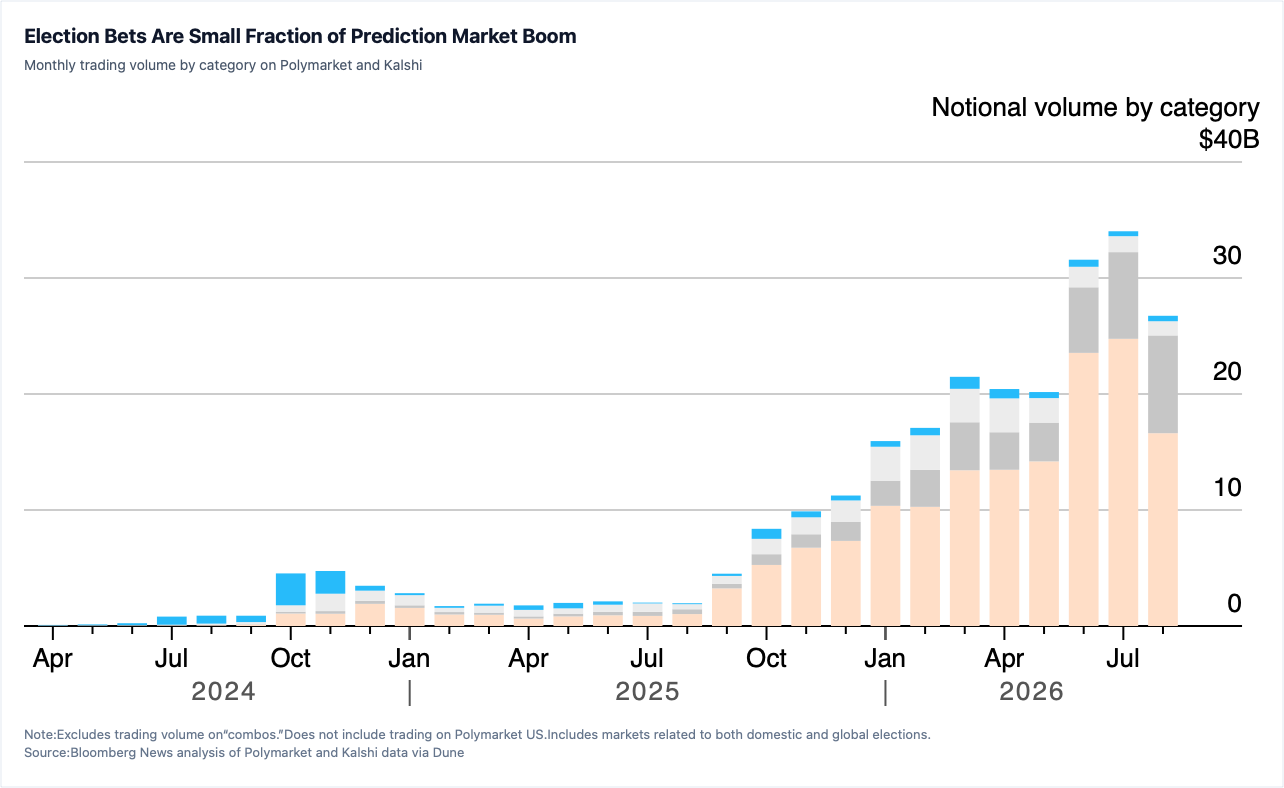
Following Kalshi's landmark legal victory in 2024, prediction markets have experienced explosive growth, with platforms like Kalshi and Polymarket becoming influential instruments for forecasting elections. Bolstered by their accurate prediction of the 2024 U.S. presidential race, these platforms gained significant traction in tech circles and the media, leading to formal partnerships with major news outlets and serving as strategic guides for prominent political donors seeking to allocate campaign contributions effectively.
Unlike traditional opinion polls that merely capture a snapshot of voter preferences at a specific point in time, prediction markets utilize financial incentives to aggregate real-time probabilistic forecasts of future outcomes. Although some academic research indicates that prediction markets can outperform polls in high-profile races due to their immediate responsiveness, both tools possess inherent flaws, as demonstrated by misses in the 2026 Wisconsin primary and the fact that prediction markets often mirror the very polls they seek to replace.
The expanding popularity of electoral betting brings substantial challenges, notably market manipulation in illiquid races and the risks of insider trading. In smaller contests, a single strategic bet can artificially inflate a candidate's perceived odds and generate deceptive media momentum, while campaigns and candidates have been caught wagering on proprietary information or their own races, prompting regulatory friction across states regarding the legality and ethical integrity of financial speculation on democratic processes.