然而,这项政策的实施引发了广泛的混乱与争议,尤其是在针对香港保险产品和离岸信托的征税上。目前中国大陆并未有明确法律规定保险收益必须缴纳资本利得税,且各地市政府在计算税款时的标准也大相迳庭,导致执法标准不一。此外,要求对尚未分配给受益人的离岸信托收益征税也引起了许多质疑,例如潘石屹家族信托案便成为测试北京能否成功向富豪移民追讨税款的指标性案例。
在公平性方面,这场海外查税行动也备受批评,因为实体房地产目前仍不受共同申报准则的规范,这使得极度富有的阶层依然有避税的漏洞可钻。相比之下,那些单纯只想利用人寿保险产品来保障家人的普通民众,却意外面临巨额的税单。这种看似任意的税收掠夺行为,被许多人视为一种严厉的打击,并可能进一步加速中国富裕阶层彻底切断与祖国联系的决心。
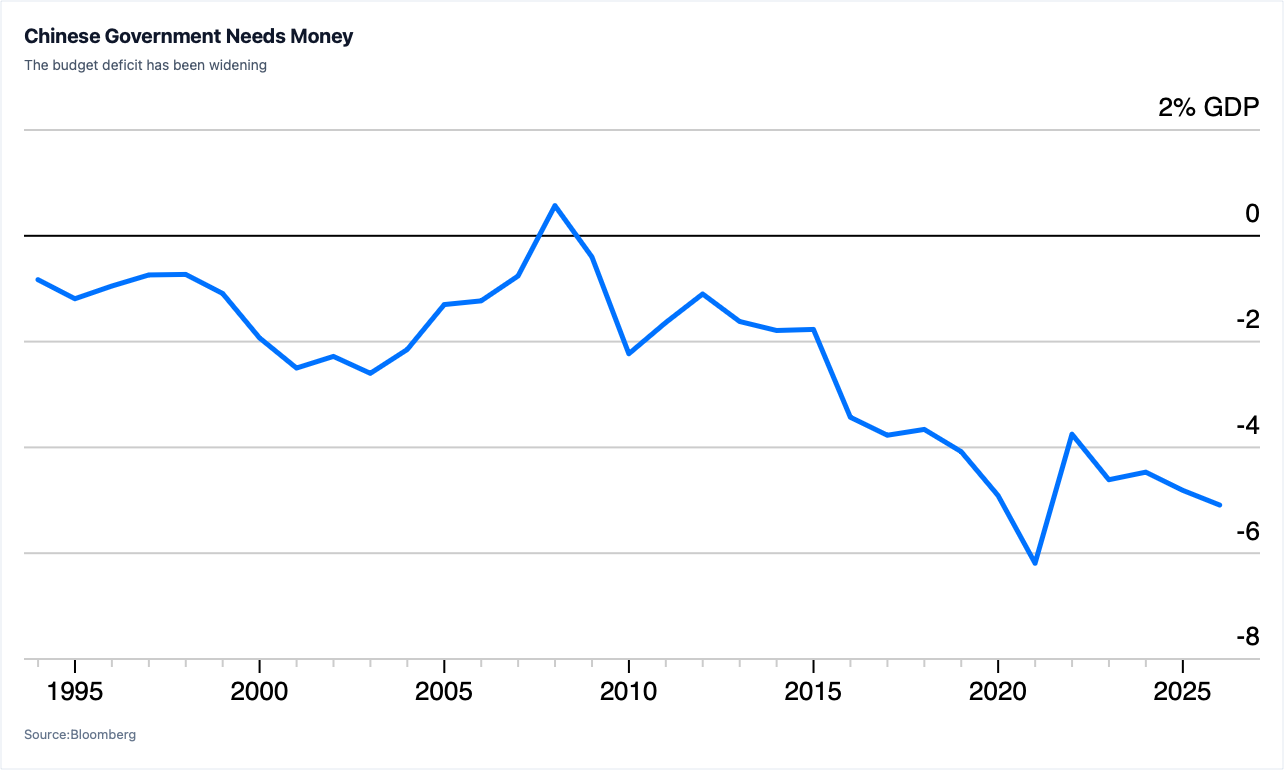
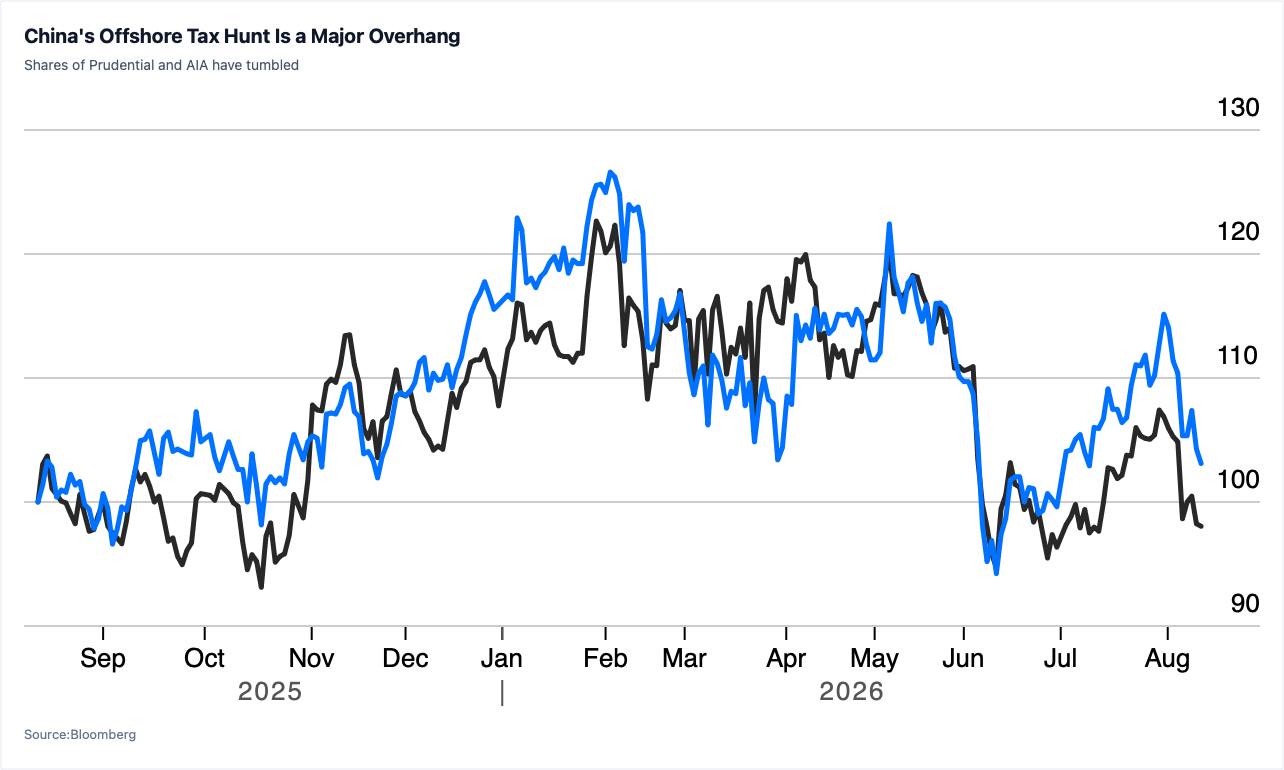
The Chinese government, currently facing the pressure of a widening fiscal deficit, has begun strictly enforcing a long-standing but previously lax policy that levies a 20% capital gains tax on citizens' overseas investment returns. By utilizing the Common Reporting Standard (CRS), a global financial account information-sharing network, authorities have expanded their tax scrutiny to include cross-border stock brokerage accounts, offshore trusts, and overseas insurance policies. This sudden and aggressive measure has sent shockwaves through major wealth management centers like Zurich and New York, targeting not only the ultra-wealthy but also middle-class investors.
However, the implementation of this policy has sparked widespread confusion and controversy, particularly regarding the taxation of Hong Kong insurance products and offshore trusts. Currently, there is no explicit law in mainland China stating that insurance income is subject to capital gains tax, and municipal governments differ drastically in their methods for calculating these levies, leading to inconsistent enforcement. Furthermore, the demand to tax offshore trust income that has not yet been distributed to beneficiaries has raised numerous questions, with the Pan Shiyi family trust emerging as a high-profile test case of Beijing's ability to claw back funds from billionaire emigres.
In terms of fairness, this overseas tax hunt has also drawn significant criticism because physical real estate remains outside the scope of the Common Reporting Standard, leaving loopholes for the extremely wealthy to avoid taxes. In contrast, ordinary citizens who merely wish to secure their families' futures using life insurance products are unexpectedly facing massive tax bills. This seemingly arbitrary tax grab is viewed by many as a harsh crackdown, which will likely further accelerate the resolve of affluent Chinese individuals to completely sever their ties with their motherland.