本文指出,在能源冲击下,富裕国家再次迅速推出补贴、降低增值税、油价上限和类似管制,但当物理供应受限时,这类干预反而会加剧问题。只要霍尔木兹海峡持续关闭,全球约15%的石油供应就会消失,叠加卡塔尔设施受损,全球液化天然气供应又下降约五分之一(20%),因此任何财政救济都只能延缓调整而不能恢复供应。
作者回顾2022年欧洲失去大部分俄罗斯天然气供应后的应对:两年内许多欧洲国家在补贴上的支出超过了GDP的2.5%,但其中超过一半的钱削弱了价格信号,约四分之五分配不精准,主要流向能源消费更高的富裕家庭。与此同时,欧洲LNG进口上升65%,而南亚下降16%,巴基斯坦与孟加拉国出现停电并加剧贫困;英国十年期借款利率接近5%,比2022年恐慌高点高约0.5个百分点,使现今大规模补贴更沉重,也可能因刺激需求而抬高通胀并扰动债券市场。
文章建议临时救济应通过福利体系向贫困家庭直接发放现金,同时保留能源价格以维持节能激励;德国2022年按用能量挂钩的补助被视为更优模型。文中还主张进行国际层面的定向支援,如IMF对最受冲击国家进行收支平衡支持并减轻其债务负担,并警惕“windfall”税和惩罚性税负固化——英国对北海油气利润征收的附加税将边际税率推高到78%,长期保留会阻碍向更安全、低碳体系的过渡。
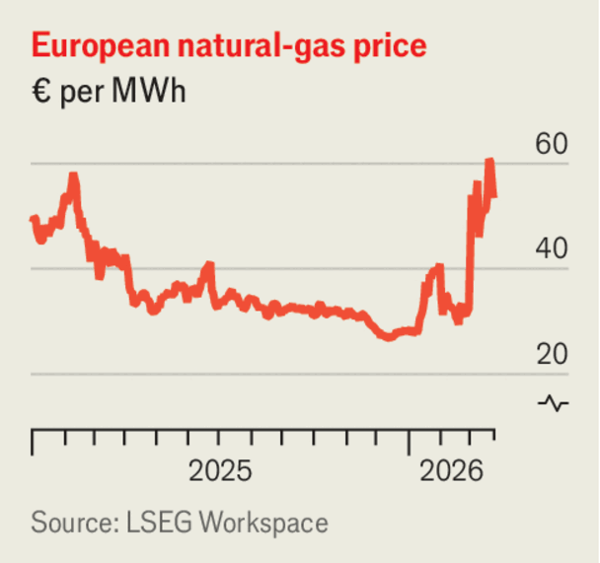
This analysis argues that in the energy shock, rich countries again rushed into subsidies, VAT cuts, pump-price caps, and similar controls, yet these interventions can worsen outcomes when physical supply is constrained. As long as the Strait of Hormuz remains closed, around 15% of global oil supply is lost, and with damage to Qatar facilities LNG supply is down by roughly one-fifth (20%), so no amount of fiscal handouts can restore supply, only postpone adjustment.
After Europe lost much of Russia’s gas in 2022, many governments spent over 2.5% of GDP on subsidies across two years, but more than half weakened price signals and about four-fifths was poorly targeted toward poorer households, favoring higher-use richer ones instead. At the same time, LNG imports in Europe rose 65% while South Asia fell 16%, with Pakistan and Bangladesh suffering blackouts and deeper poverty; Britain now borrows at about 5% for ten years, roughly 0.5 percentage point above the 2022 panic peak, making broad subsidies far costlier and potentially inflationary.
The proposed alternative is targeted cash support to poor households through welfare systems while preserving energy prices to keep conservation incentives intact, and the piece cites Germany’s 2022 energy-use-linked payments as a better template. It also supports IMF-style international balance-of-payments help for hardest-hit countries, including debt-service relief as in earlier food and fertilizer crises, and warns against permanent windfall or punitive levies—Britain’s North Sea surcharge lifted the marginal tax rate on oil-and-gas profits to 78% and staying in place would slow transition; the longer-run task requires stable, reliable supply and lower emissions by letting producers earn returns in order to build secure alternatives.
Source: The case against energy bail-outs
Subtitle: As war rages in Iran, governments must not repeat the mistakes of 2022
Dateline: 3月 26, 2026 05:35 上午