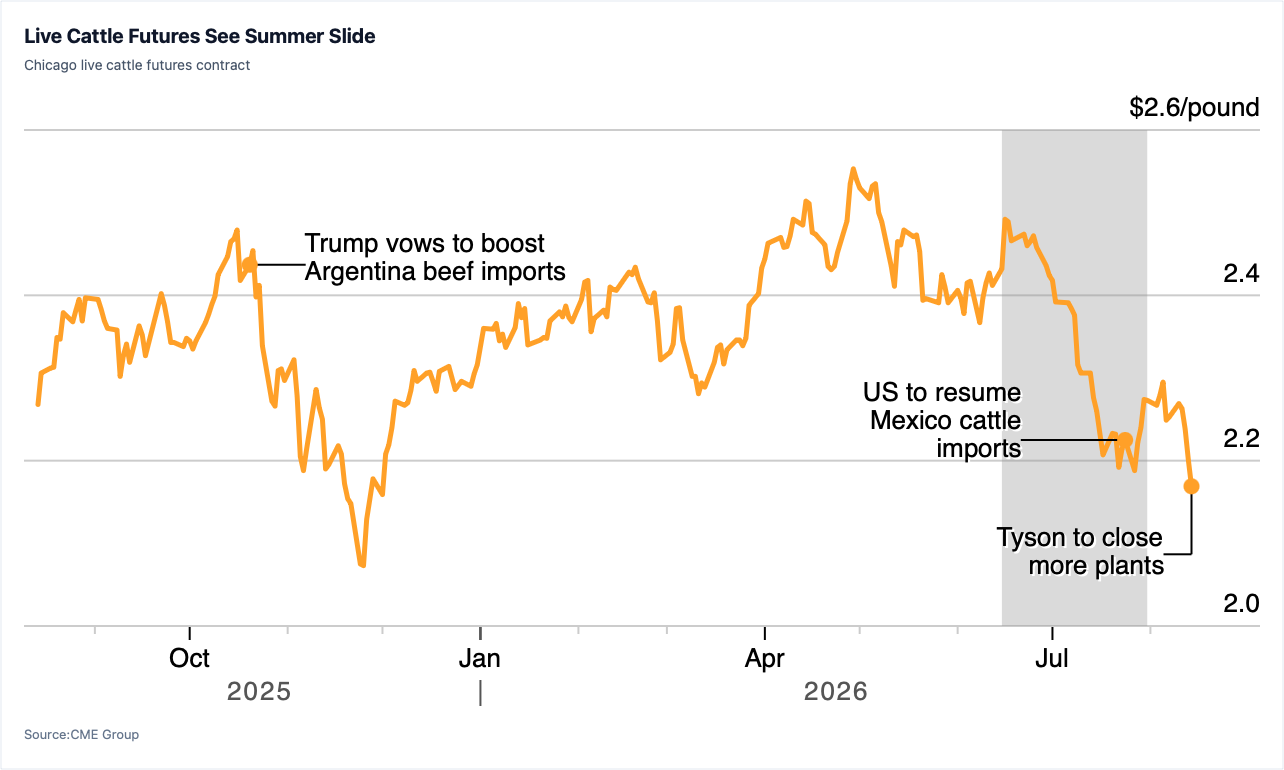
为了应对持续高涨的牛肉价格与通膨压力,美国政府已采取措施增加来自阿根廷等国的肉类进口,并恢复从墨西哥进口活牛。同时,由于牛只成本上升与供应短缺,泰森食品等肉类加工商宣布关闭部分工厂以减少对稀缺动物的竞争。然而,由于美国国内牛只存栏量仍处于半个多世纪以来的最低水准,整体牛肉供应依然紧缩。
尽管需求减弱已带动趸售牛肉与活牛期货价格下跌,但消费者短期内仍难以在超市感受到明显的降价。受限于活牛进口后仍需数月的饲养周期、现有库存以及企业的避险计划,较低的价格最快也要到第三季末才能反映在零售端。速食业者也预期,牛肉通膨的缓解可能要到今年下半年甚至明年初才会更加明显。
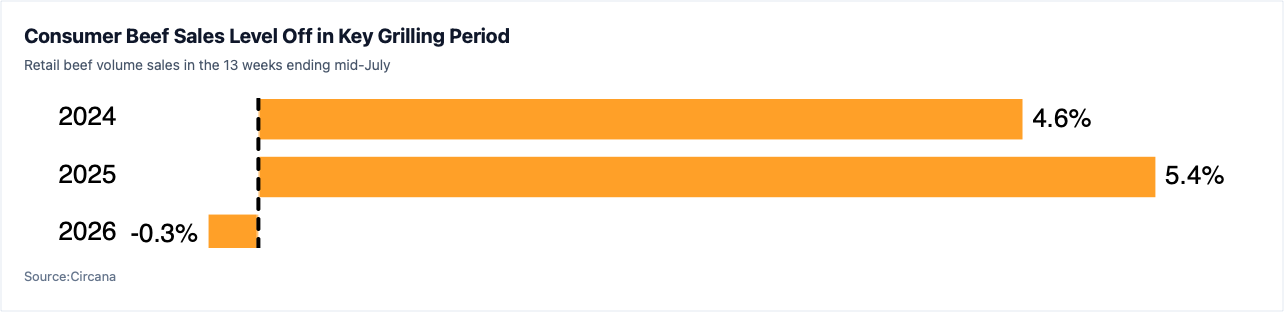
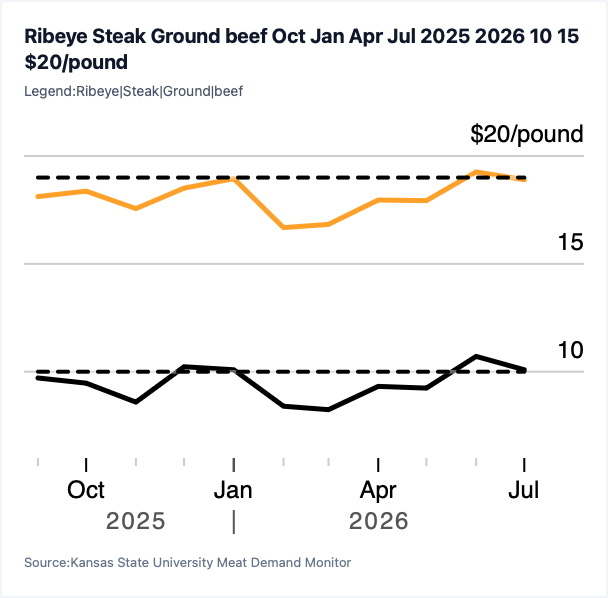
After enduring nearly two years of surging beef prices, consumer demand in the United States is beginning to show signs of softening. During the 13-week period ending in mid-July, which encompasses the traditional peak grilling season, beef sales volumes fell by 0.3%, while sales of chicken, which had flat prices, rose by 2%. This indicates that Americans may have finally reached their limit regarding high beef prices, prompting them to pull back on purchases or shift to less expensive protein sources.
To address the persistent high beef prices and inflationary pressures, the US government has taken steps to increase meat imports from countries like Argentina and resumed live cattle shipments from Mexico. Concurrently, faced with rising cattle costs and scarce supplies, meat processors like Tyson Foods have announced plant closures to reduce competition for the animals. However, with the domestic cattle herd remaining near its lowest level in over half a century, overall beef supplies continue to be tight.
Although weaker demand has driven a decline in wholesale beef and live cattle futures prices, consumers are unlikely to see significant price relief at the grocery store in the near term. Due to the several months required to raise imported cattle, leftover inventories, and corporate hedging programs, lower prices will not reach the retail level until the end of the third quarter at the earliest. Fast-food operators also anticipate that meaningful relief from beef inflation may not materialize until the latter half of this year or early next year.