高利率、通膨升温与债券市场恶化正严重威胁新兴云端服务商(neocloud)的融资能力。近期投资人开始重新评估该领域的风险,导致与 AI 基础设施相关的债券与股票大幅抛售,例如 CoreWeave 的单周股价暴跌近 25%,其部分无担保债券甚至跌入不良债券区间。此外,OpenAI、软银旗下的 SB Energy 以及获辉达支持的 Firmus 与 Nscale 等多家企业的上市(IPO)计划皆被迫推迟或搁置,市场对顶尖 AI 实验室的营收能否涵盖庞大资本支出充满疑虑。
除了严峻的资金缺口,工程延误与监管障碍也让专案雪上加霜。包含为 OpenAI「星际之门」(Stargate)计划建造的多个甲骨文(Oracle)据点,以及为 Anthropic 建设的前加密货币矿商 TeraWulf 和 Cipher 皆面临工期延长与高昂的超支成本;若合作伙伴无法按时交付或取得融资,AI 实验室甚至能启动解约条款抽身。同时,建筑许可取得不易、公众反弹加剧,以及公用事业监管机构要求自备电力才准许并网等限制,都让资料中心的融资与建设变得前所未有地困难。
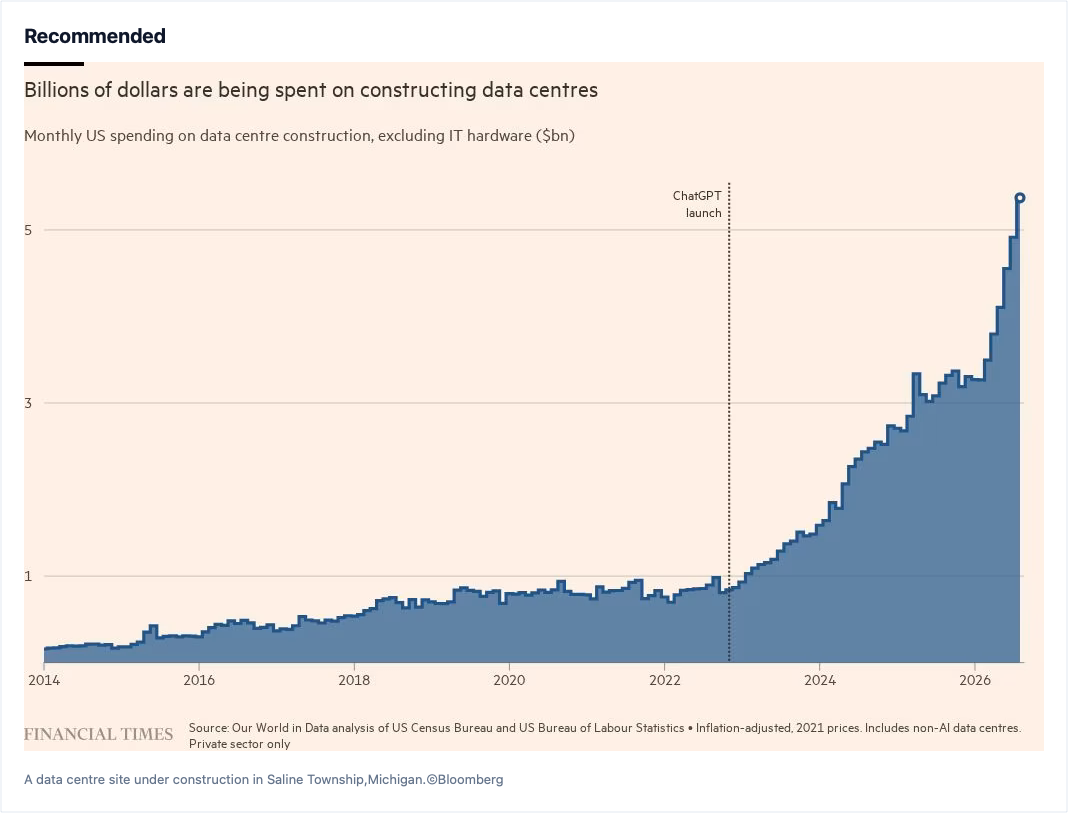
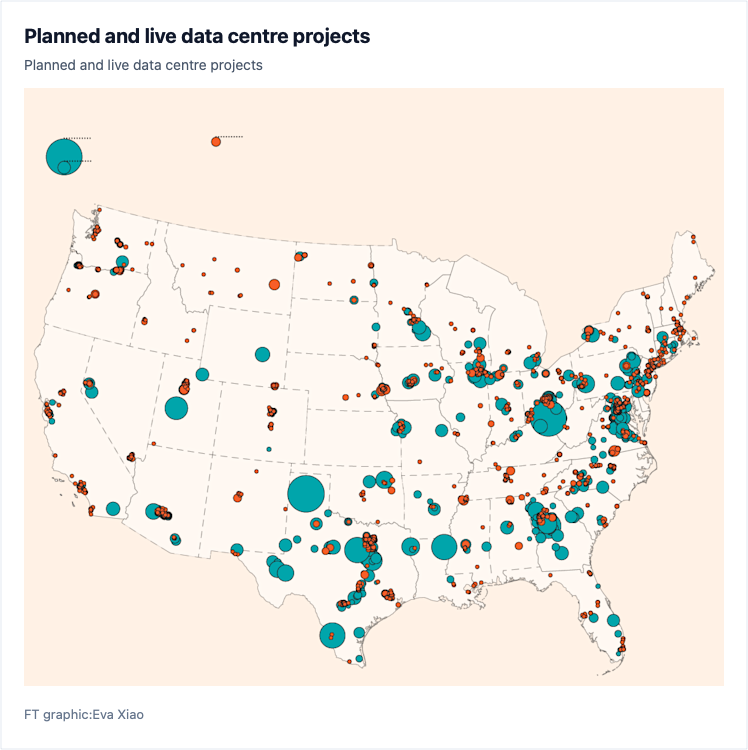
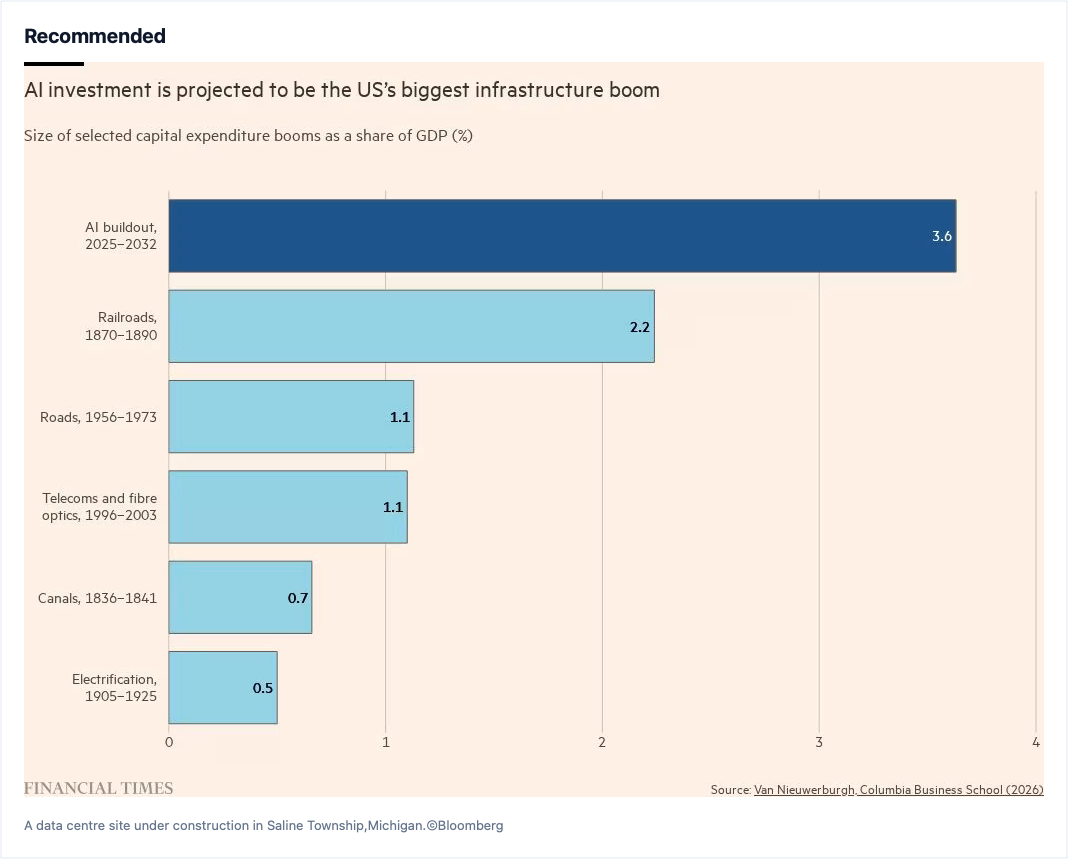
Cracks are emerging in America's debt-laden $10tn AI infrastructure boom. A frantic rush for computing power in recent years created a "Wild West" market characterized by flooded capital into brand-new companies and expedited due diligence. However, by 2026, at least 47 large data centre projects have been delayed, withdrawn, or blocked, and over 1,000 US communities have attempted to impose moratoria or restrictions on AI infrastructure, with Bernstein analysts estimating that only about 35 per cent of the planned US data centre pipeline is credible.
Higher interest rates, rising inflation, and a souring bond market are severely threatening the financing ambitions of newly launched "neocloud" providers. Investors recently began repricing sector risks, triggering sharp sell-offs in AI infrastructure debt and equities, with CoreWeave's stock plunging nearly 25 per cent in a week and one of its unsecured bonds sinking into distressed territory. Furthermore, IPO plans for developers and cloud providers—including OpenAI, SoftBank's SB Energy, and Nvidia-backed Firmus and Nscale—have been delayed or mothballed amid mounting doubts over whether revenues from leading AI labs can cover these massive capital outlays.
Beyond severe funding gaps, construction delays and regulatory hurdles are compounding the challenges for major projects. High-profile initiatives, including several Oracle sites for OpenAI's Stargate scheme and Anthropic projects handled by former crypto miners TeraWulf and Cipher, have faced lengthened timelines and costly overruns, raising the prospect that AI labs could invoke walk-away clauses if delivery or financing schedules are missed. Meanwhile, difficulties in securing building permissions, growing public discontent, and utility regulators refusing grid connections unless projects supply their own power have made financing and building data centres harder than ever.