各国政府面临著在促进技术创新与保护劳动力市场之间取得平衡的艰难挑战。例如,美国政府近期出于国家安全考量,命令 Anthropic 限制对外国公民开放其最先进的 AI 模型;而在中国,官方媒体呼吁共享 AI 带来的收益,避免其成为少数雇主损害工人权益的工具;南韩也因 AI 带来的巨额利润分配问题引发了劳资紧张关系。
随著 AI 技术(如自动编码代理)的不断进步,行业内外对「递归自我改进」循环以及白领阶层面临大规模失业的担忧日益加剧。尽管 AI 的加速发展有望推动医疗等领域的突破,但也可能加剧贫富分化,成为沉重的社会负担。为此,包括美国总统特朗普在内的政治人物已开始探讨向公众重新分配 AI 企业收益或让政府持有股份的可能性。
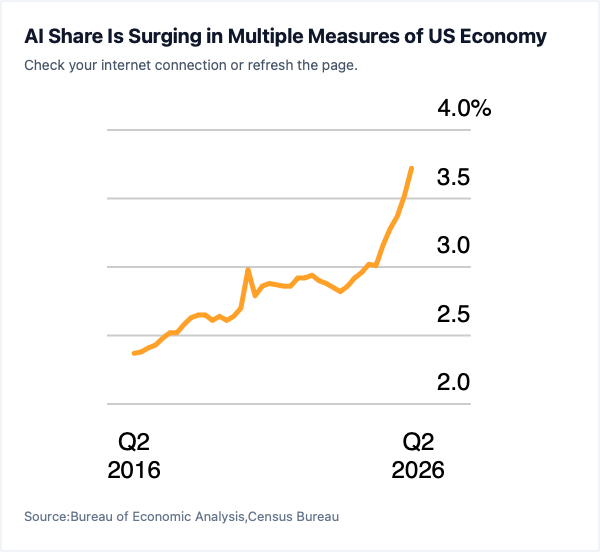
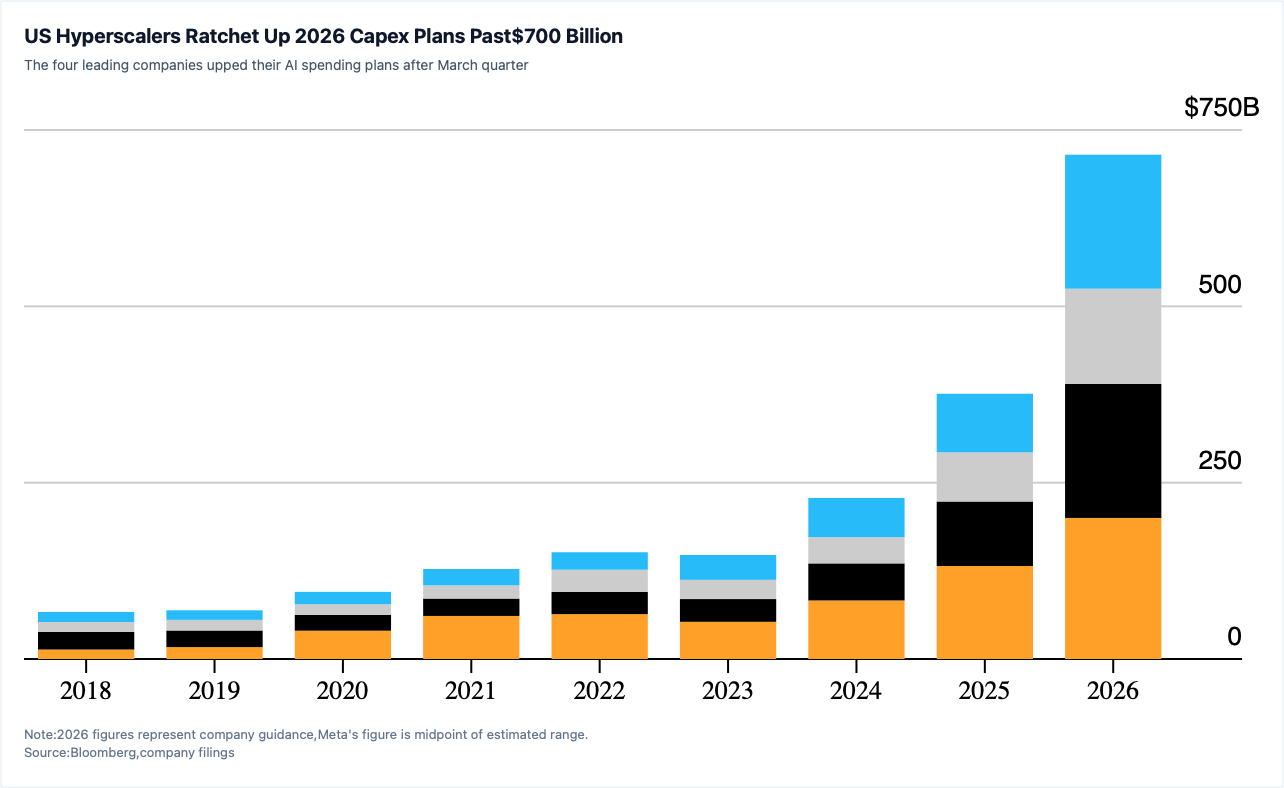
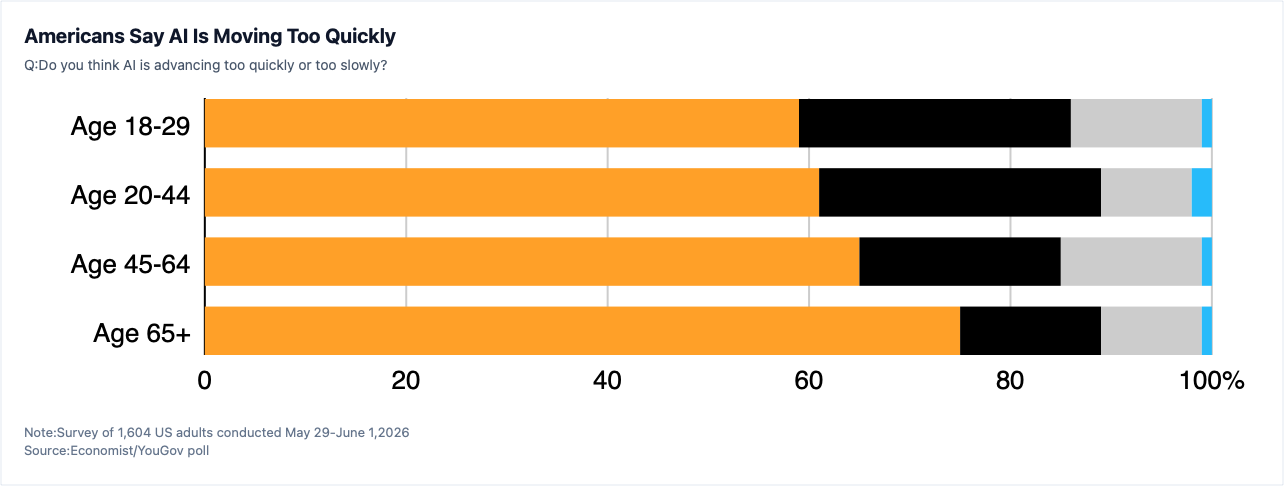
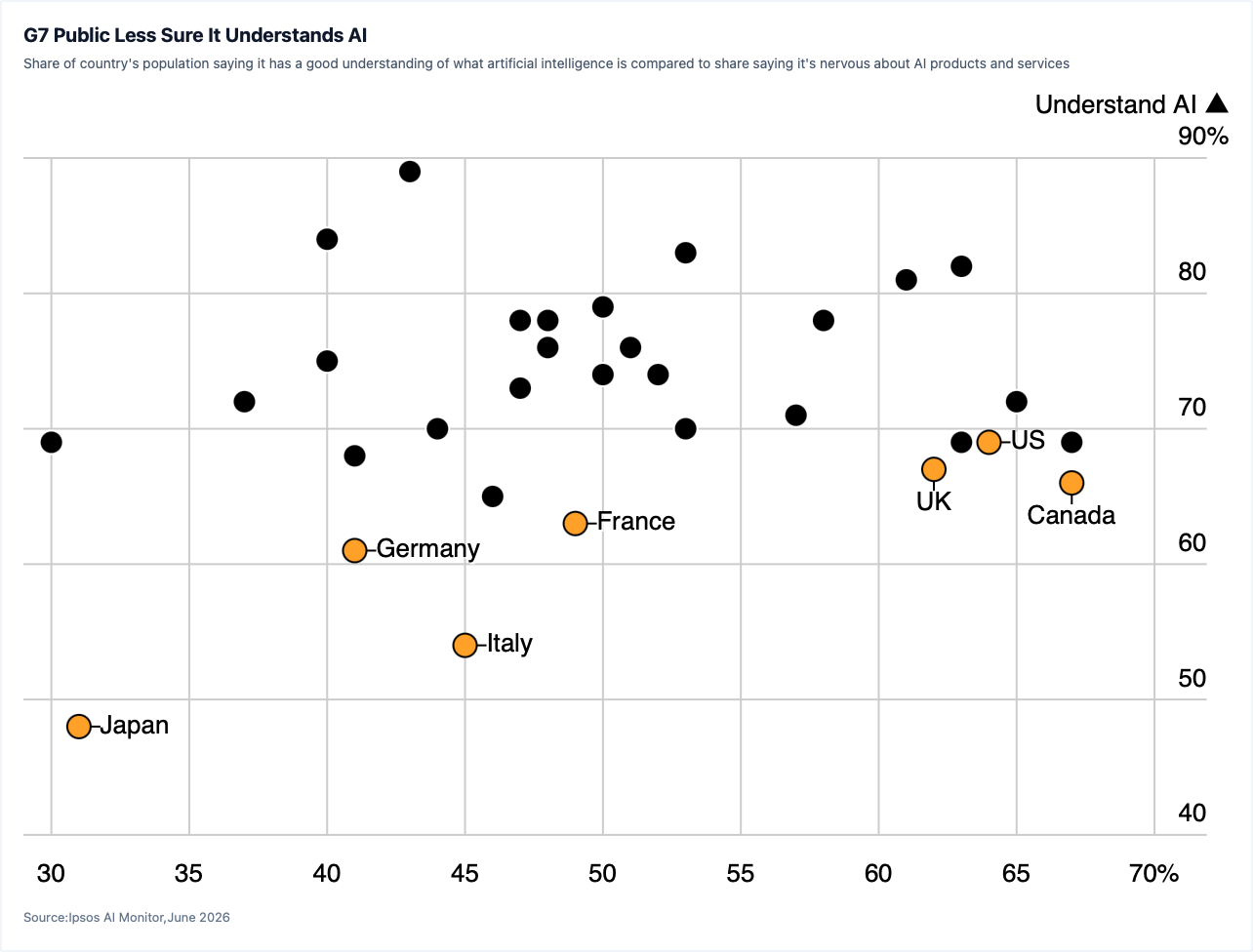
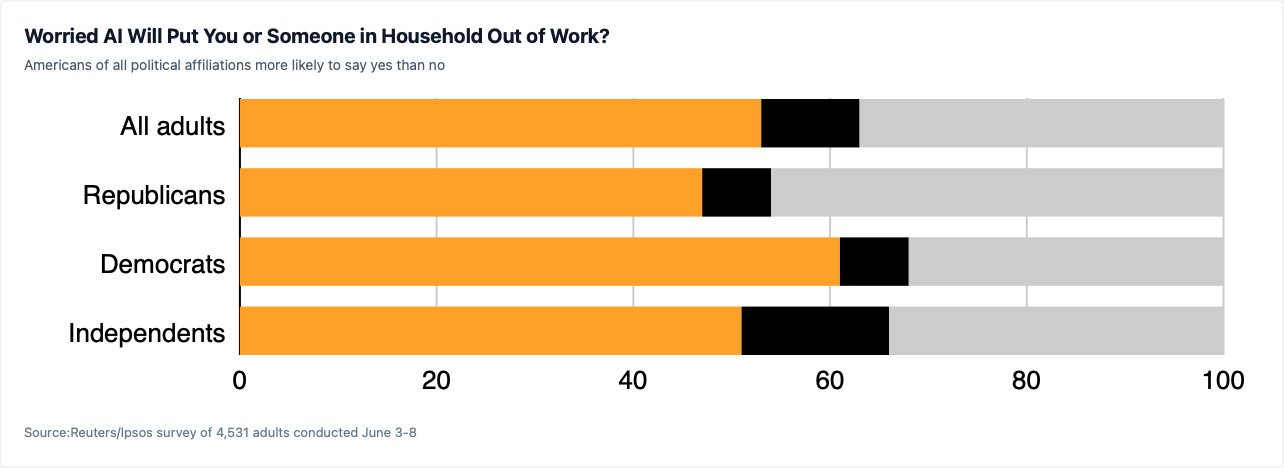
AI startup Anthropic suggested that the world might benefit from a slowdown in AI development to allow society to cope with its immense implications. While critics accuse the firm of "doom marketing," co-founder Jack Clark stated that the intent is to share the truth about the technology's rapid progress. Meanwhile, dizzying amounts of capital are pouring into AI, driving stock market booms and economic growth, but also triggering widespread public anxiety over job displacement, resource depletion, and growing inequality.
Governments worldwide face the difficult challenge of balancing technological innovation with the protection of their labor markets. For instance, the US government recently ordered Anthropic to restrict foreign access to its advanced AI models citing national security concerns. In China, state media called for AI gains to be shared by society rather than undermining workers' rights, while in South Korea, massive AI-driven profits and bonuses have sparked labor tensions and debates over wealth redistribution.
As AI technology advances with the rise of coding agents, concerns are growing inside and outside the industry about a "recursive self-improvement" loop and potential mass unemployment among skilled white-collar workers. While accelerated AI development could unlock breakthroughs in fields like medicine, it also risks exacerbating economic disparities and straining society. Consequently, political leaders, including US President Donald Trump, are beginning to explore redistributing AI gains or establishing public stakes in tech firms.