亚马逊内部文件显示 AWS 的数据中心规模远超外界认知:全球超过 50 个国家共逾 900 个设施,其中包括 440 余个租赁的机房(colocation)与 220 多个边缘节点。这些租赁设施约提供 AWS 总算力的五分之一,范围从少量机柜到几乎占满整栋楼。AWS 与至少 180 家租赁合作方合作,包括 Equinix、NTT 与 Markley,使其成为全球最大 colo 租户之一。与 Baxtel 的 449 座及 DC Byte 的 364 座估算相比,此次清单显著扩大 AWS 的实际版图。
AWS 在 38 个区域运营,每区至少包含 3 个数据中心,并合计拥有约 2,400 万平方英尺自有建筑,租赁规模相当。2025 年第三季度,AWS 营收达 330 亿美元,营业利润 114 亿美元,维持公司最盈利部门地位。其 AI 需求驱动扩张,但也让去年一次数据库故障导致全球宕机 15 小时。AWS 自称在美国偏好自建与长期租赁,但在新地区或需求激增时依赖第三方机房,以实现快速扩容。
随着 AI 计算需求飙升,AWS 在法兰克福、孟买、首尔、新加坡与东京等大城市周边运行耗电量最高的 colo 设施。环保组织警告,这一扩张正在加重电网负载,延长化石能源机组寿命;尽管亚马逊是全球最大企业级可再生能源投资者之一,其在印第安纳与密西西比的大型项目仍推动新建燃气电厂。公司称能源需求增长并非数据中心独有,并强调其在可再生与核能上的数十亿美元投资旨在为电网新增清洁电力。
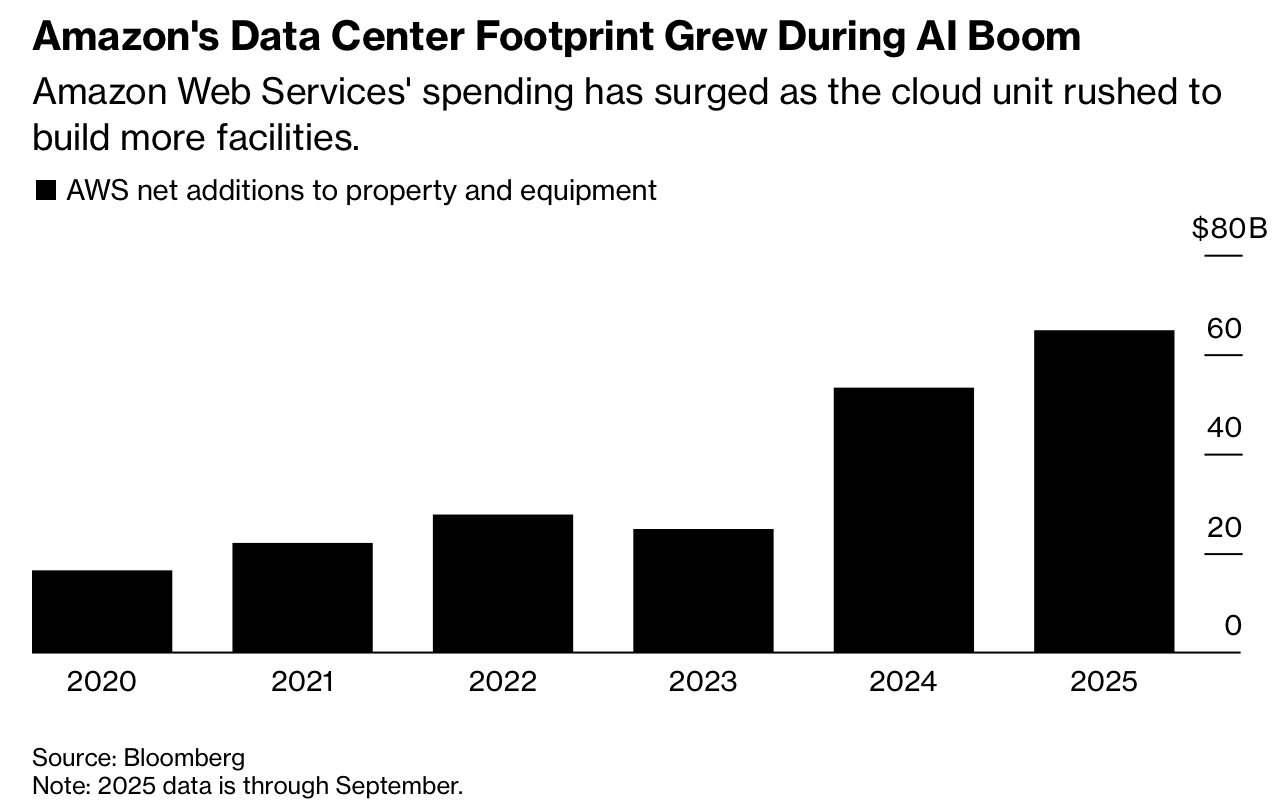
Documents reveal AWS operates more than 900 data facilities across 50+ countries, including over 440 colocation (“colo”) sites and more than 220 edge locations, far exceeding public estimates. These rented facilities supply about one-fifth of AWS’s total compute capacity, ranging from a few racks to nearly entire buildings, and involve at least 180 partner entities such as Equinix, NTT and Markley. This footprint surpasses Baxtel’s estimate of 449 sites and DC Byte’s 364. AWS spans 38 global regions, each with at least three data centers, and owns roughly 24 million square feet of buildings while leasing a similar amount.
In Q3 2025, AWS generated $33 billion in revenue and $11.4 billion in operating income, remaining Amazon’s profit engine. Rapid AI-driven demand has forced fast expansion, highlighted by a 15-hour global outage last month caused by a database failure. AWS prefers owned or long-term facilities in the US but leans on third-party colos to enter new markets or scale quickly. Some of its most power-intensive colos are around major cities including Frankfurt, Mumbai, Seoul, Singapore and Tokyo.
Environmental groups warn the data-center surge is stressing electricity grids and prolonging fossil-fuel generation; several AWS megaprojects have spurred new natural-gas plants despite Amazon being the world’s largest corporate buyer of renewables. AWS argues rising energy demand is economy-wide, saying it is investing billions in renewable and nuclear projects to add clean capacity and reduce long-term dependence on fossil fuels.