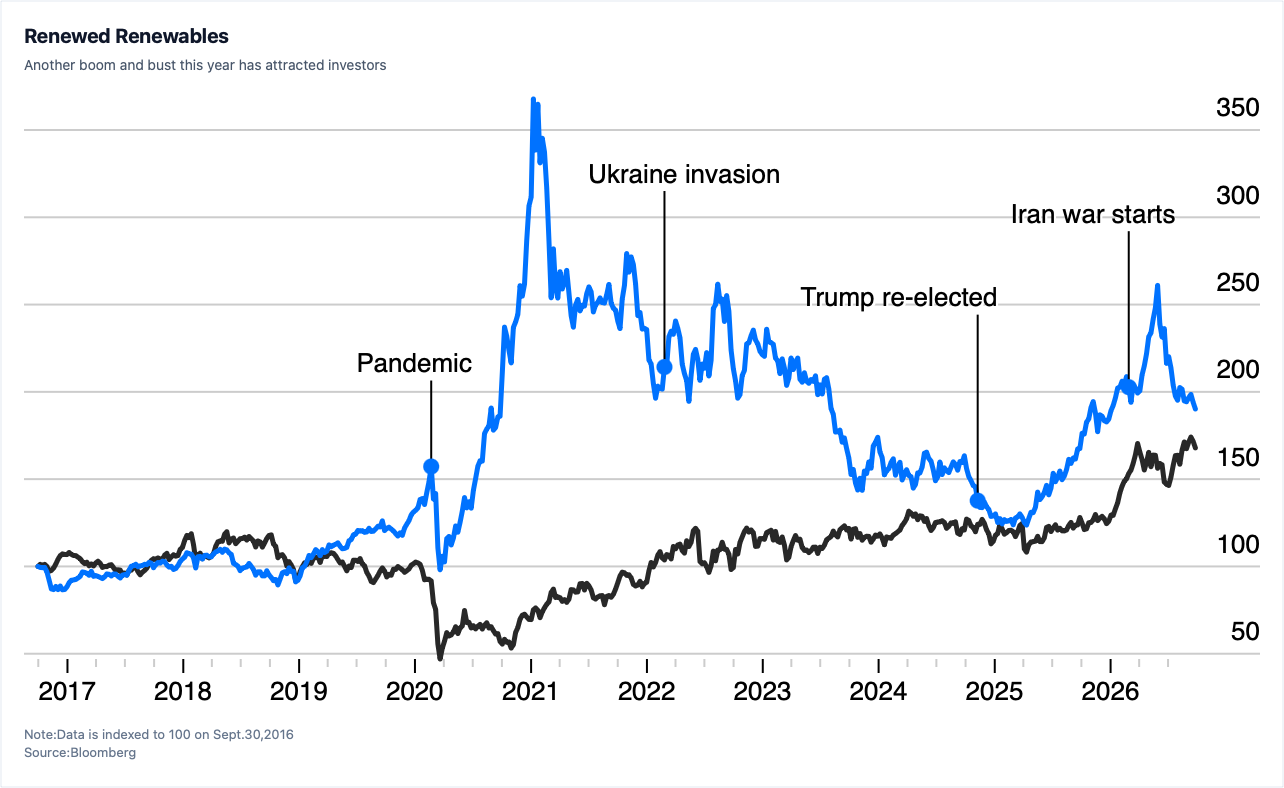
在历经四年多的净流出后,美国及全球的ESG与永续基金在第二季迎来显著资金回流,其中再生能源领域扮演关键驱动力。然而若扣除清洁能源基金的注资,广义的ESG投资依旧承受资金撤出压力,显示这波复苏主因并非来自全面性的永续理念回温,而是由特定产业的实用需求所带动。(关键数字:more than four years)
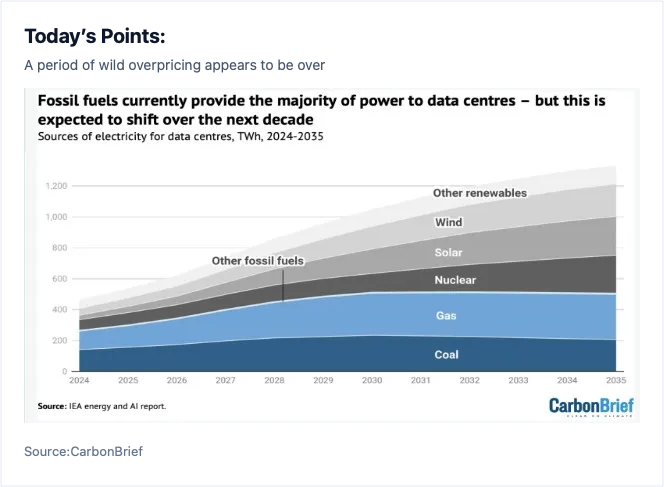
推动绿能复苏的核心力量是人工智慧资料中心急遽膨胀的电力需求,由于建置期短且成本下降,清洁能源成为填补巨大供电缺口的务实选择。这项发展同时为永续投资者带来难题,因为资料中心的碳排放与耗水量正急遽攀升,绿能与高能耗科技巨头深度挂钩也增加了漂绿风险,考验著基金经理人的价值判断与资讯揭露透明度。
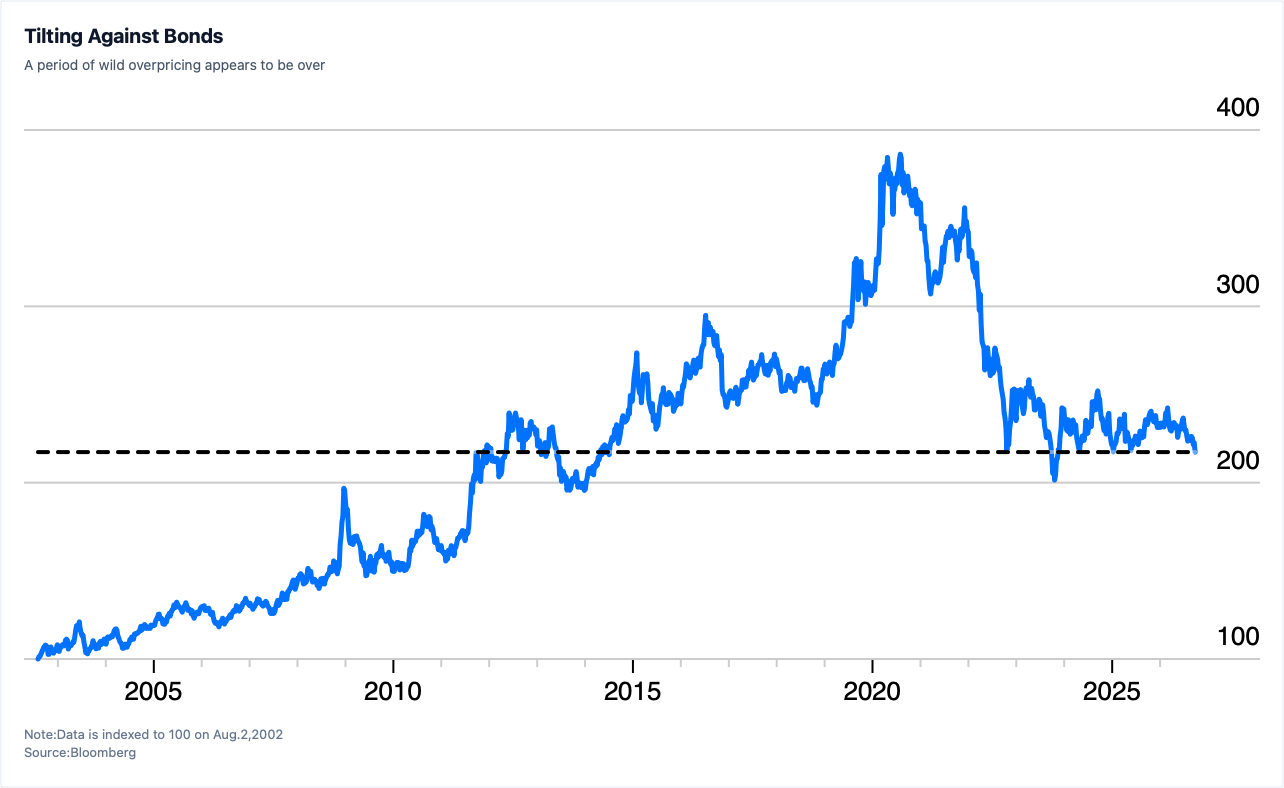
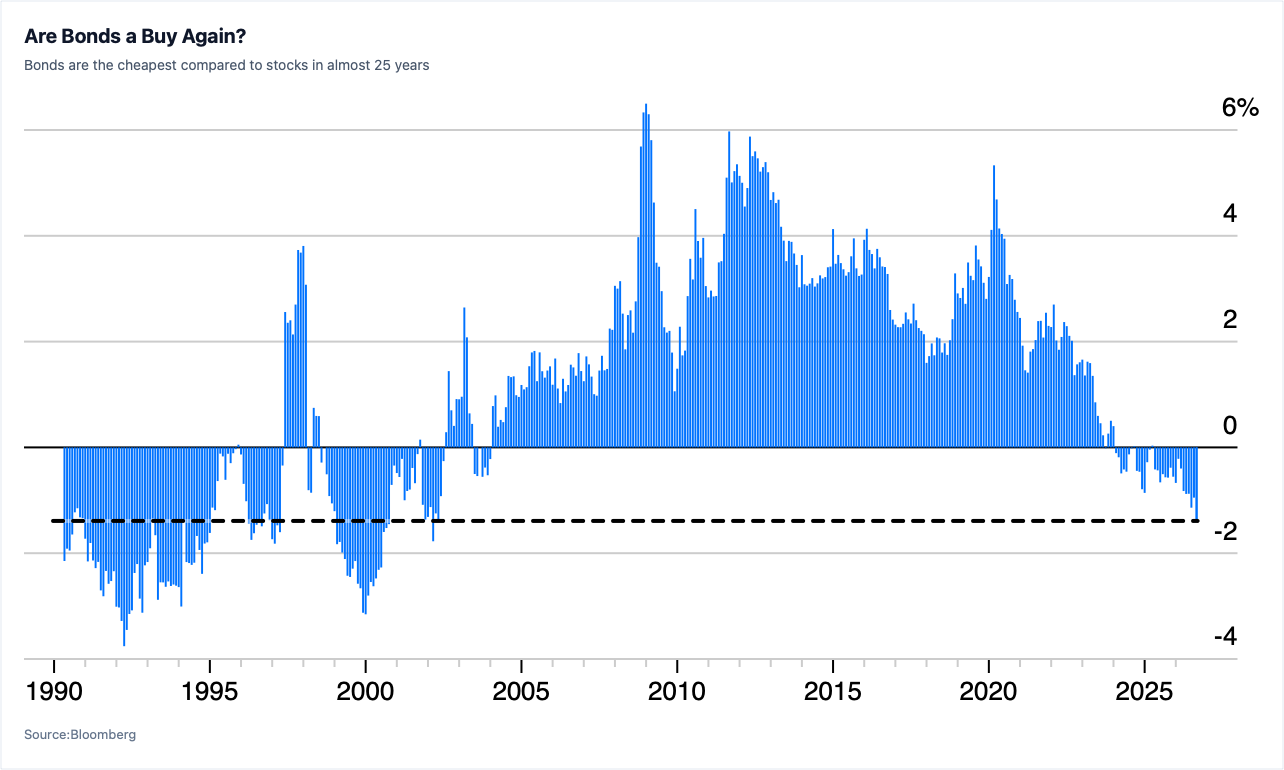
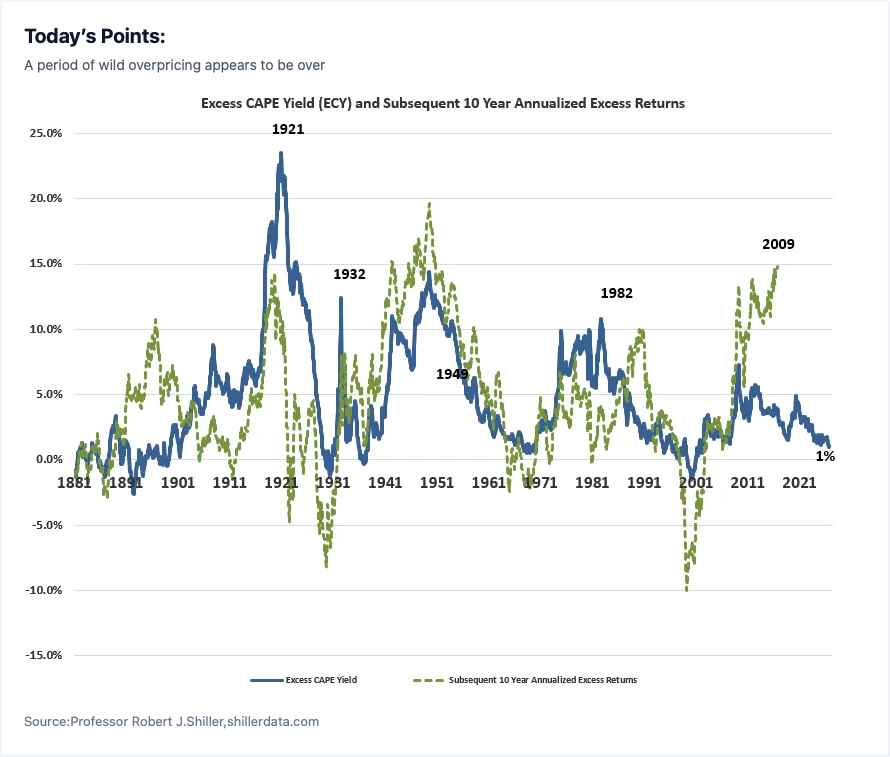
Ten-year US Treasury yields opened at a 19-year high of 5.20%, indicating that the long-term bond bubble has deflated and bonds now offer generational valuation appeal. For the first time in nearly a quarter-century, the yield gap favors bonds over equities, suggesting that stock multiples face headwinds and projected corporate earnings will require far more rigorous scrutiny as bonds once again offer a compelling alternative.
Following more than four years of continuous net outflows, US and global ESG funds staged a rebound in the second quarter, largely propelled by a resurgence of interest in renewable energy. However, once clean-energy inflows are stripped out, broader ESG investing continues to experience persistent outflows, underscoring that the current recovery is driven by pragmatic sector needs rather than an across-the-board revival of sustainable sentiment.
The primary catalyst behind the renewable energy rebound is the soaring power demand from AI data-center expansions, where short lead times and falling costs make clean power the most pragmatic solution. Yet this surge poses a major dilemma for ESG investors, as powering carbon-intensive data centers conflicts with core climate goals and heightens the risk of greenwashing among funds heavily invested in tech hyperscalers.