中国身为全球制造大国,庞大的贸易顺差使其积累了巨额美元资产。若直接抛售美债,不仅会推升人民币汇率而重创自身出口竞争力,还会导致现有资产蒙受巨大帐面损失;此外,在国际金融体系仍由美元主导的现实下,中国缺乏其他足够庞大的市场来配置这些外汇储备。因此,比起真正摆脱美元,将美债转移至加拿大等第三方托管机构,成为其维护经济利益的现实选择。
隐匿美债资产的真实存放地,在政治与战略上为北京提供了显著优势。这不仅营造出中国正在与美国金融脱钩的表象,展示其挑战美元霸权的姿态,同时也能防范类似俄罗斯海外资产遭冻结的地缘政治制裁风险。尽管部分市场观点认为对冲基金的相对价值交易也是加拿大持仓增加的原因之一,但多数专家依然指出,中国巨额资金的转移才是推升加拿大持债激增的关键因素。
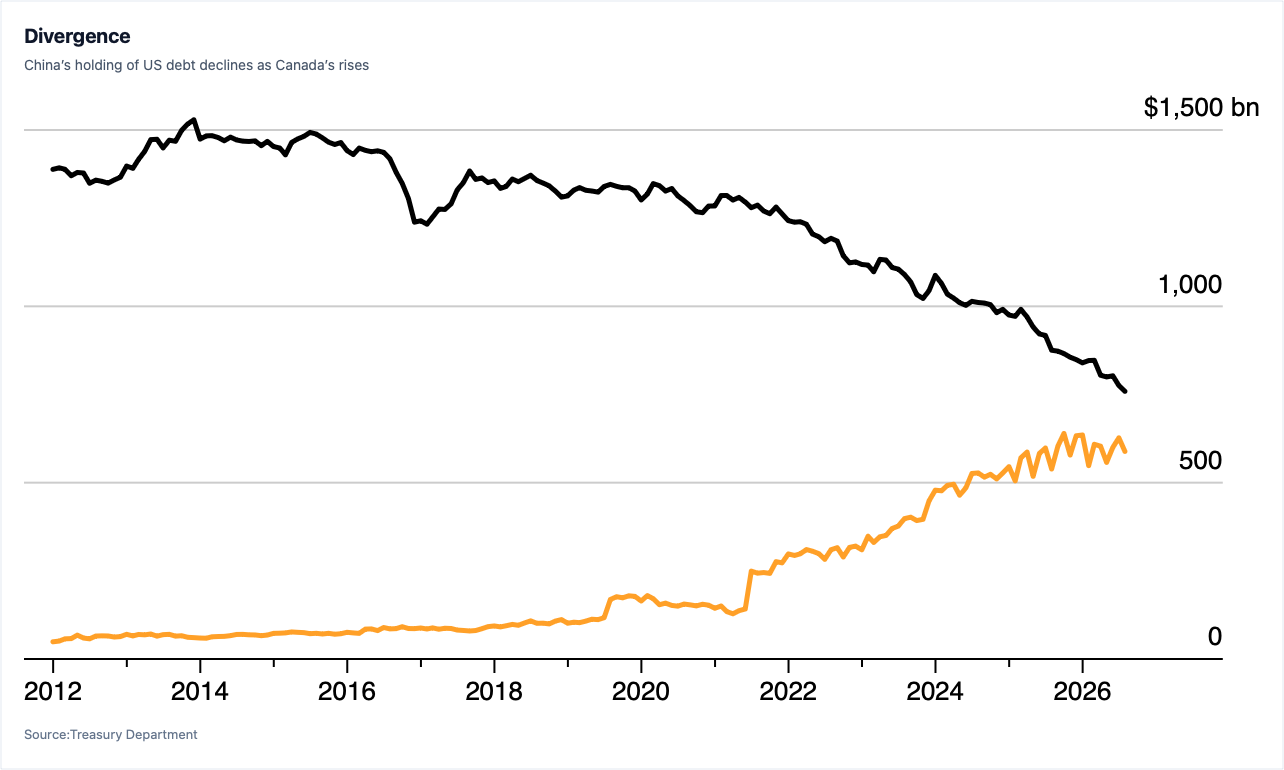
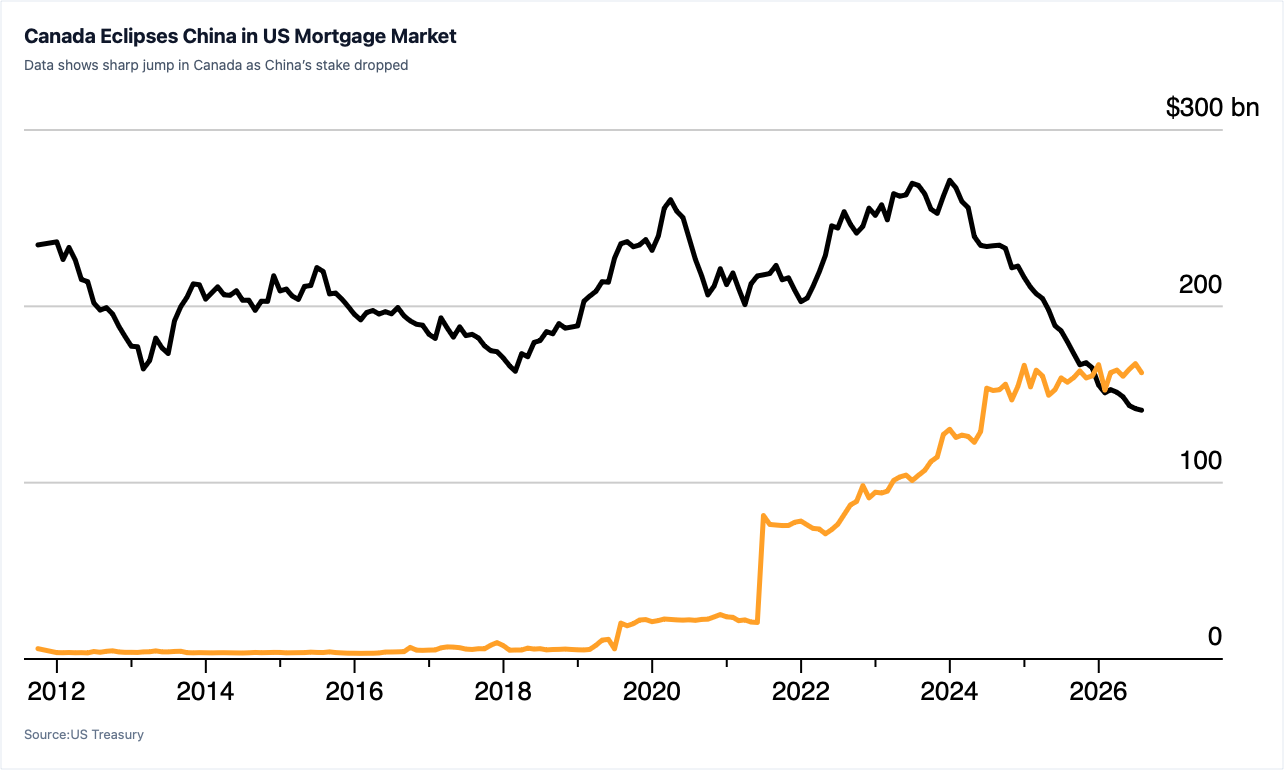
While official US data shows a steep decline in China's holdings of Treasuries and agency mortgage bonds, analysts at DoubleLine noted that Canada's stockpile of US debt quadrupled in five years to nearly $600 billion. Wall Street strategists widely believe this unusual surge does not reflect domestic Canadian demand, but rather China shifting its securities to third-country custodian banks to obscure its true holdings and distort US Treasury records.
As the world's dominant exporter, China generates a massive trade surplus that leaves it flush with dollars, yet it has few viable alternative markets in which to park such vast sums. Dumping Treasuries would cause severe mark-to-market losses and strengthen the yuan to the detriment of its exports. Consequently, moving US assets through overseas custodians in countries like Canada allows China to manage its dollars without triggering destabilizing market and currency shocks.
Obscuring the geographic location of its US holdings offers Beijing significant geopolitical and strategic leverage by projecting an image of economic decoupling from the United States and shielding reserves from potential sanctions like asset freezes. While some analysts suggest Canadian hedge fund trades account for part of the increase, many market experts remain convinced that China's masked capital flows are the primary driver behind the sudden expansion in Canada's portfolio.