与传统刺激胶原蛋白增生的产品不同,这项疗程将处理过的细胞外基质直接注入脸部与颈部,为老化或受损的皮肤提供重建的支架。随著全球抗老市场需求快速增长,该公司正积极扩大产能,并计划将产品出口至美国及亚洲多个国家。
然而,这股热潮也引发了伦理与安全方面的争议。批评者担忧将捐赠的人体组织用于医美可能排挤原本烧烫伤或重建手术的医疗资源,并呼吁政府制定更严格的规范;尽管厂商强调其产品经过严格认证且捐赠同意书已涵盖医美用途,社会舆论对此仍存在分歧。
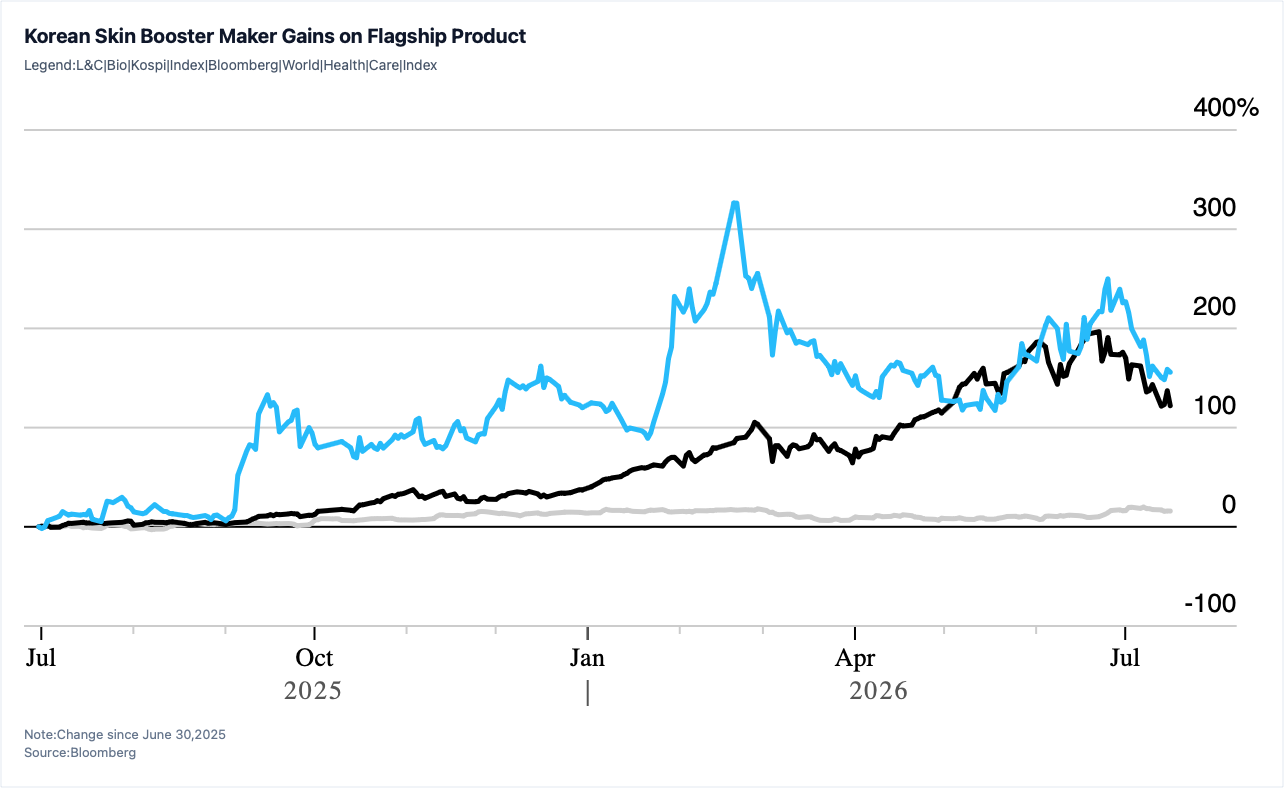
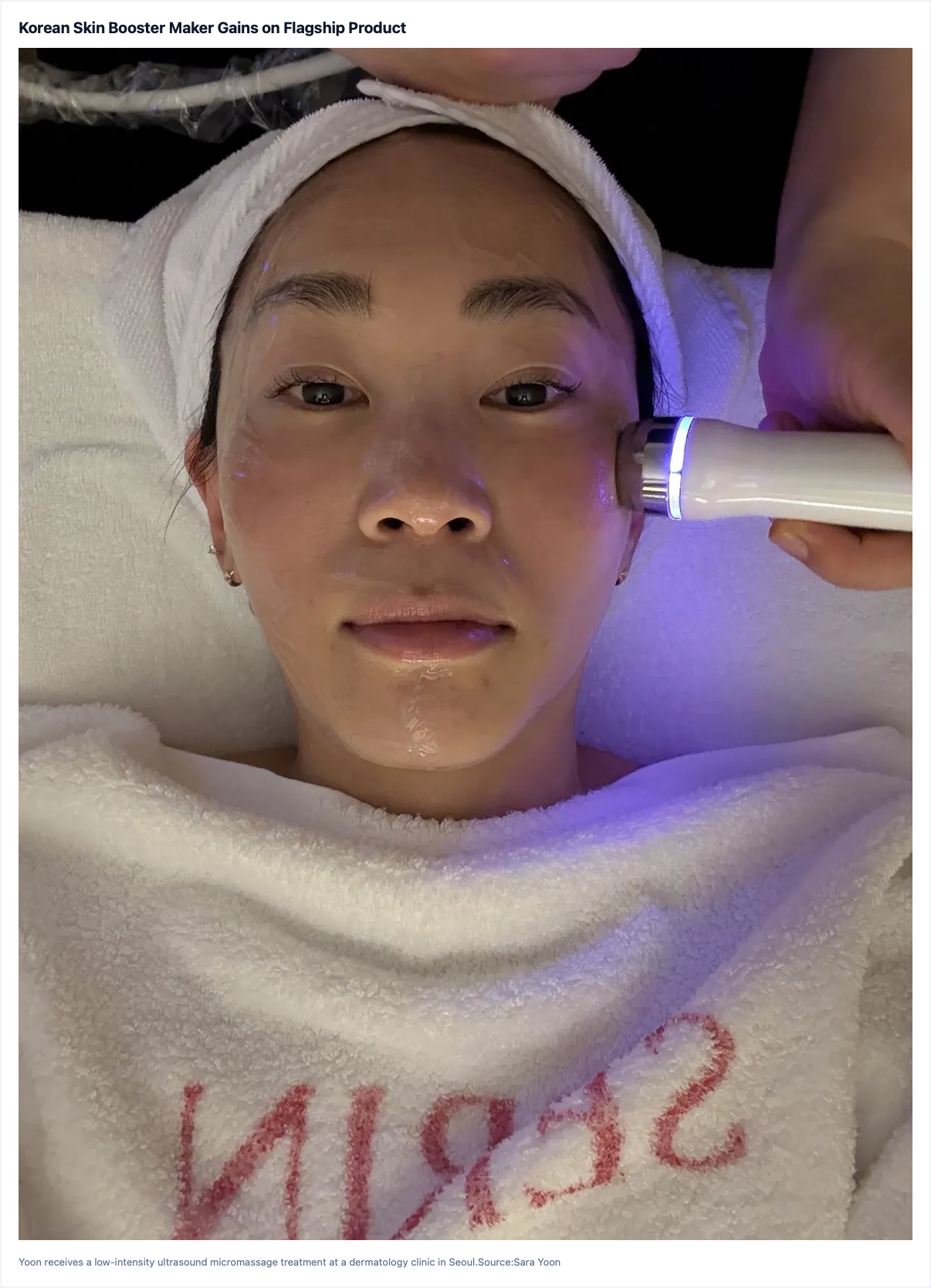
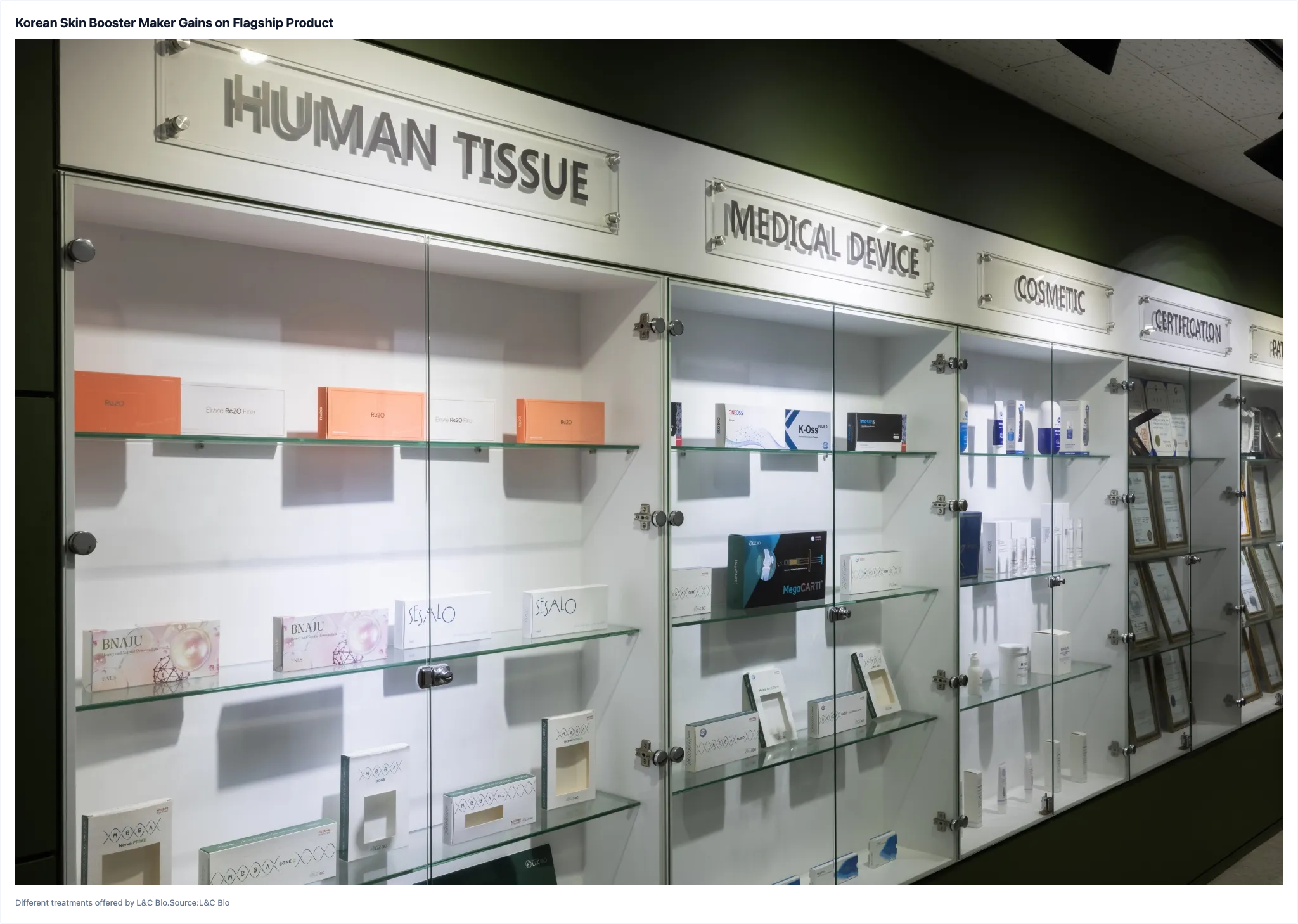
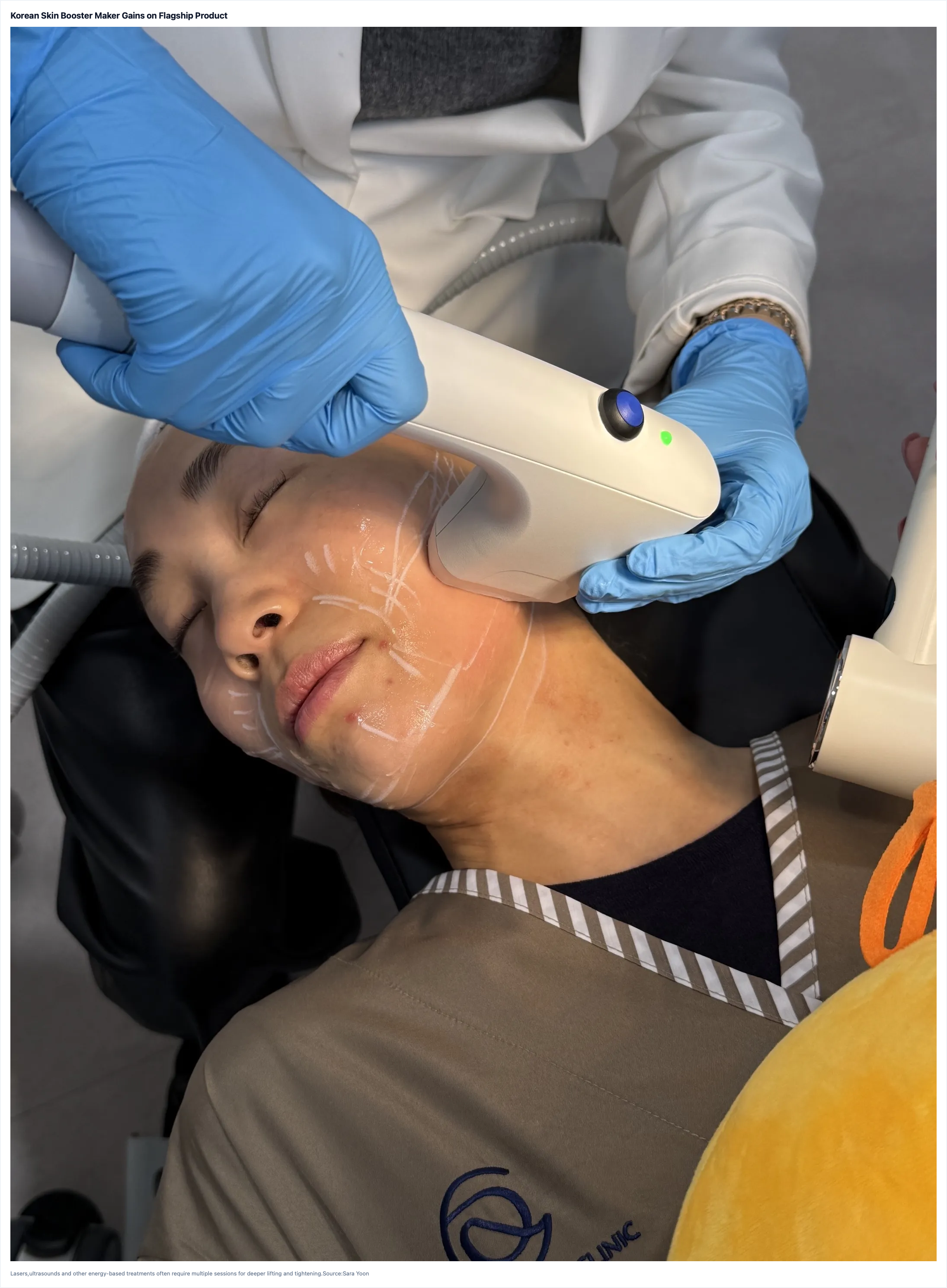
A new anti-aging treatment called Re2O, derived from donated human tissue, has recently emerged in South Korea's cosmetic medicine industry. Despite sounding like science fiction, this product, which fills fine lines and rebuilds skin structure, has become extremely popular, causing long clinic queues and a massive surge in stock price and profits for its biotech manufacturer, L&C Bio.
Unlike traditional products that stimulate collagen production, this treatment directly injects processed extracellular matrix into the face and neck, providing a reconstructive scaffold for aging or damaged skin. As global demand in the anti-aging market grows rapidly, the company is aggressively expanding its production capacity and plans to export the product to the United States and multiple countries in Asia.
However, this boom has also sparked ethical and safety controversies. Critics worry that using donated human tissue for cosmetic procedures might divert essential medical resources originally intended for burn treatments or reconstructive surgeries, prompting calls for stricter government regulations. Although the manufacturer emphasizes that its products are strictly certified and that donation consent forms cover cosmetic use, public opinion on the issue remains divided.