在 Apple TV 热门剧《Pluribus》的第 4 集里,一种外星病毒把大多数人融合进一个无法说谎的蜂群意识,女主 Carol Sturka 是仅有的 13 个免疫者之一。Joined 共享思想与技能到近乎瞬时,使一个人等同于许多人之和(例如从未打过槌球的人也获得所有在世冠军的合并专长)。
在第 3 集里,Carol 想要独立购物的愿望触发了对一座空置 Sprouts 的协同补货:8 辆卡车编队抵达,间距均匀的一波波工人把货架从零补齐,凸显日常消费背后的大规模物流。Plurbs 也一并取消身份核验、契约、隐私、私有财产与货币,并让人们在体育馆、商场与教堂集体睡眠以降低用电。
在经济学上,这种蜂群意识解决了计划经济的一个经典约束——默会知识——却无法产生竞争,因此通过减少冗余提升效率,但在缺少由外部者推动的反复试错时放缓长期进步。该剧也映照宏观经济学中的“代表性个体”模型(把整个人口当作一个行动者),并主张真实结果取决于把总量“退联”回异质的个人。
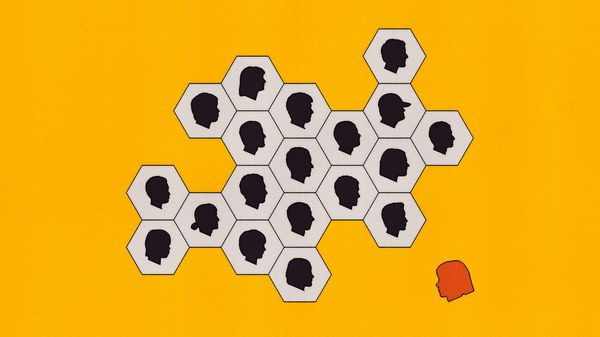
In episode 4 of Apple TV’s hit “Pluribus,” an alien virus fuses most people into a hive mind that cannot lie, leaving Carol Sturka among only 13 immune individuals. The Joined share thoughts and skills almost instantly, turning one person into the sum of many (for example, a croquet novice gains the combined expertise of every living champion).
In episode 3, Carol’s wish to shop independently triggers a coordinated resupply of an empty Sprouts: eight lorries arrive in formation and waves of evenly spaced workers restock the store from scratch, spotlighting large-scale logistics behind routine consumption. The Plurbs also dispense with identity checks, contracts, privacy, private property, and money, and have people sleep together in arenas, malls, and churches to cut electricity use.
Economically, the hive mind fixes one classic planning constraint—tacit knowledge—yet fails to generate rivalry, so efficiency rises by reducing redundancy but long-run progress slows without outsider-driven trial and error. The show also echoes “representative agent” macro models that treat a population as one, and argues that real outcomes depend on “unjoining” aggregates back into heterogeneous individuals.
Source: What “Pluribus” reveals about economics
Subtitle: A hit Apple TV show offers useful lessons
Dateline: 1月 08, 2026 07:16 上午