尽管面临美国的晶片出口管制,中国企业透过价格战策略及政府在基础设施上的支持,成功在全球市场夺取市占率。许多美国初创公司为了降低营运成本,也开始依赖这些廉价且开源的中国AI模型,这让华盛顿当局对技术外流与国家安全感到担忧。
目前美国在顶尖AI模型的投资与运算能力上仍具有优势,但中国模型的高性价比正对美国企业形成挑战。未来美国若为了国安而实施严格的封杀政策,不仅可能遭到中国反制,还可能提高美国企业的营运成本,削弱其国际竞争力。
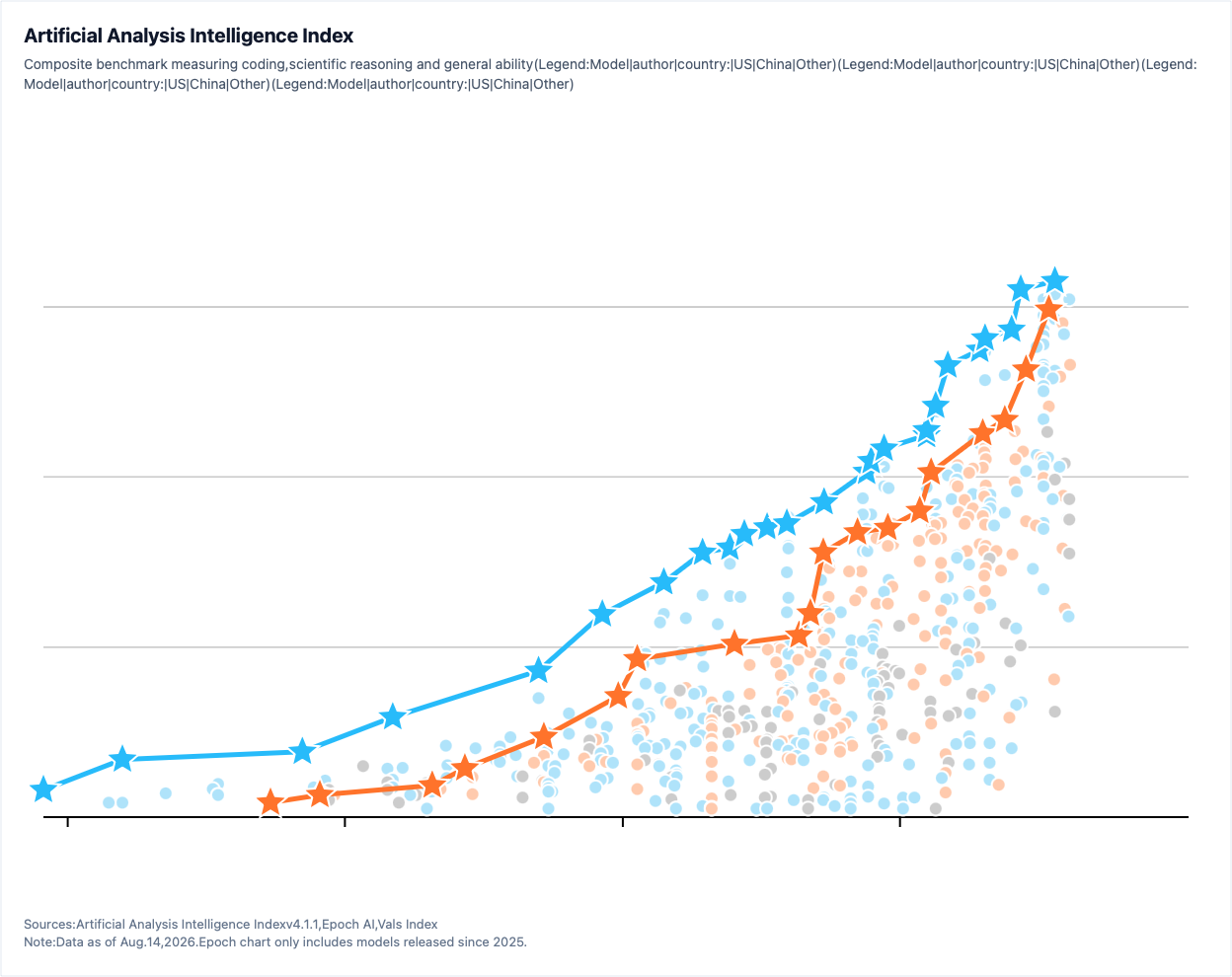
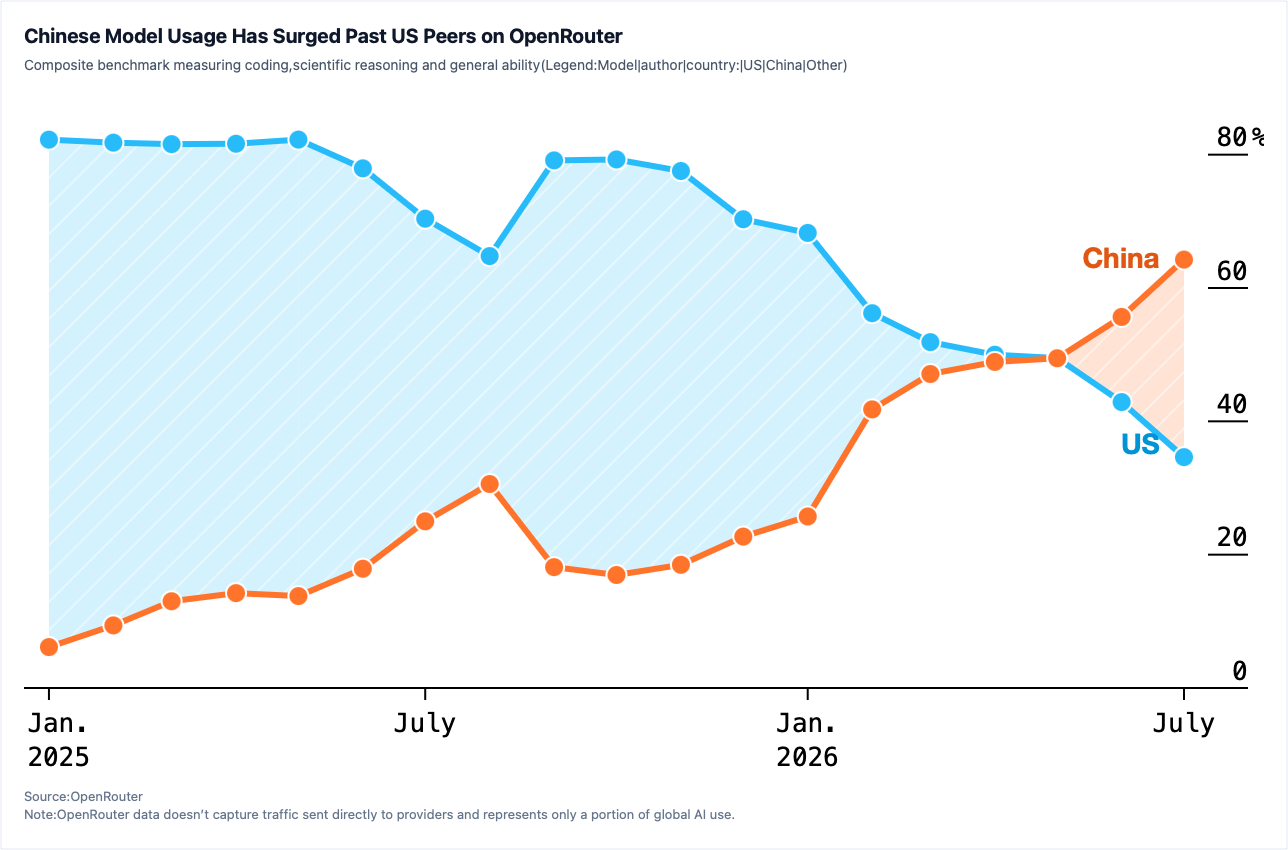
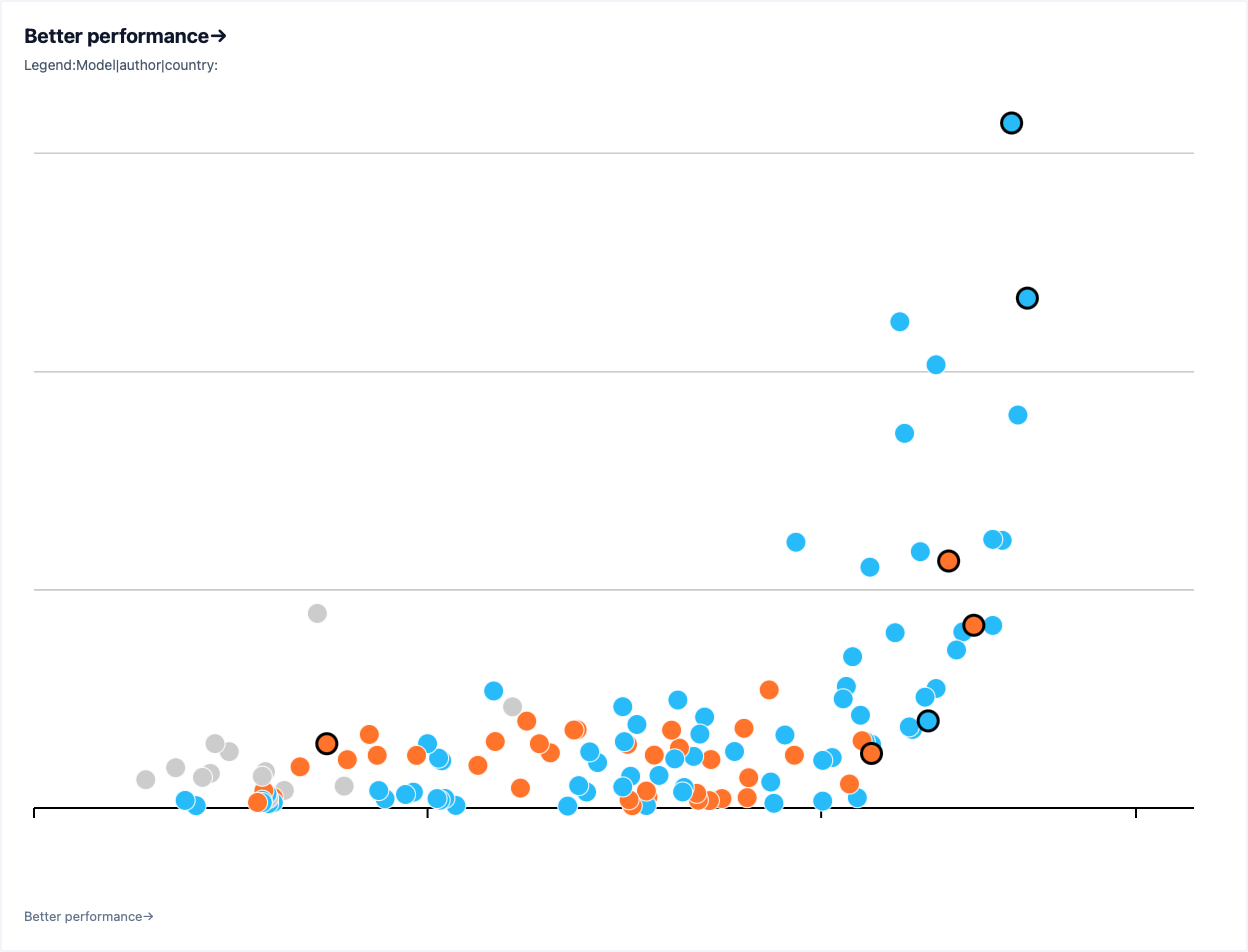
China's open-weight artificial intelligence models are rapidly closing the technological gap with the US through highly competitive pricing and improving performance. For instance, Moonshot's Kimi K3 nearly matches the capabilities of top American models at a fraction of the cost, giving China an edge in global AI adoption and attracting many overseas developers and businesses.
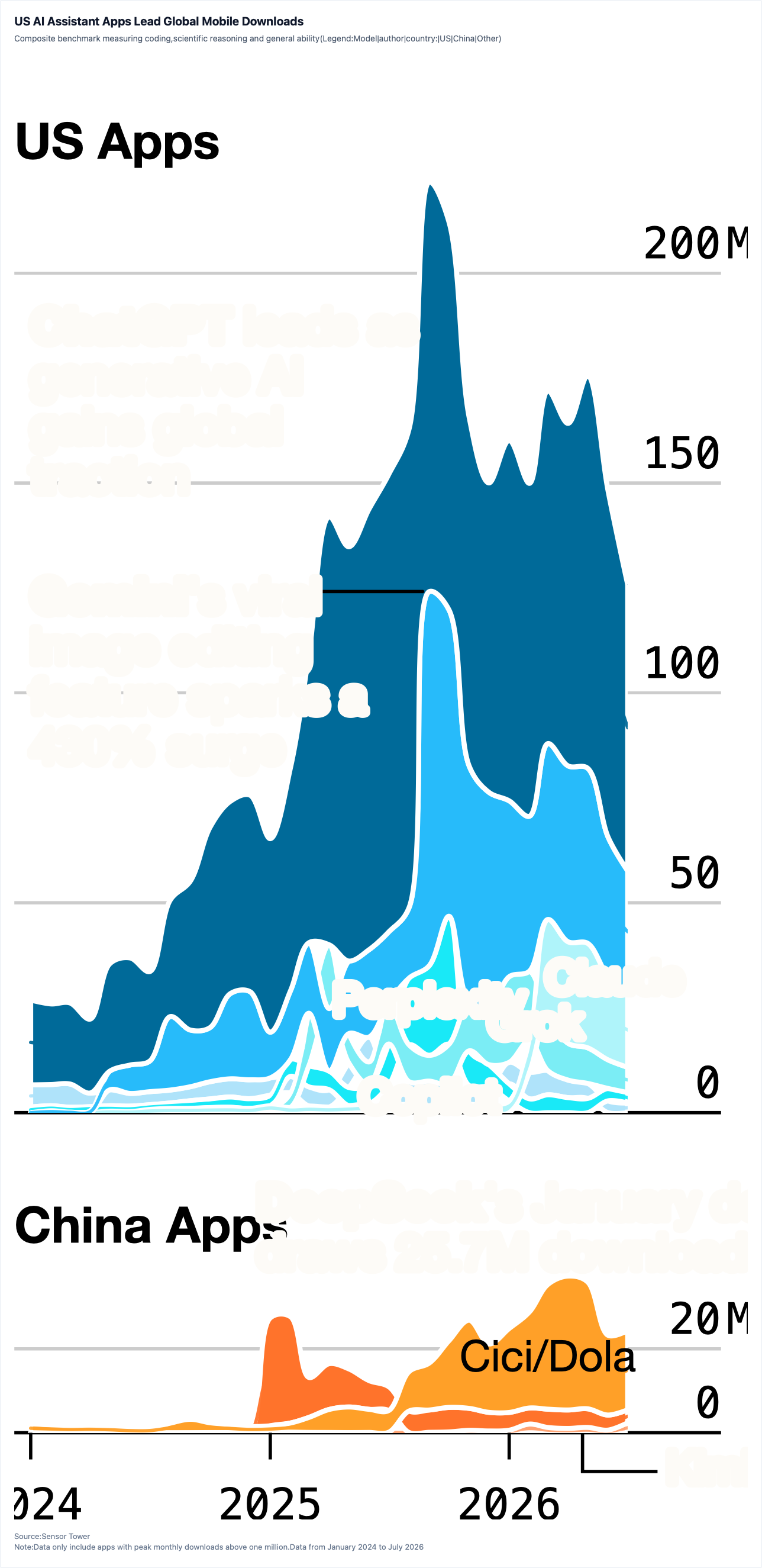
Despite US chip export controls, Chinese companies have successfully captured global market share through price war strategies and government support for infrastructure. Many American startups are also beginning to rely on these affordable, open-weight Chinese AI models to reduce operating costs, raising concerns in Washington regarding technology leaks and national security.
The US currently maintains an advantage in investment and computing power for frontier AI models, but the high cost-effectiveness of Chinese models poses a significant challenge. If the US implements strict bans for national security reasons, it could not only trigger retaliation from China but also increase operational costs for American businesses, weakening their international competitiveness.