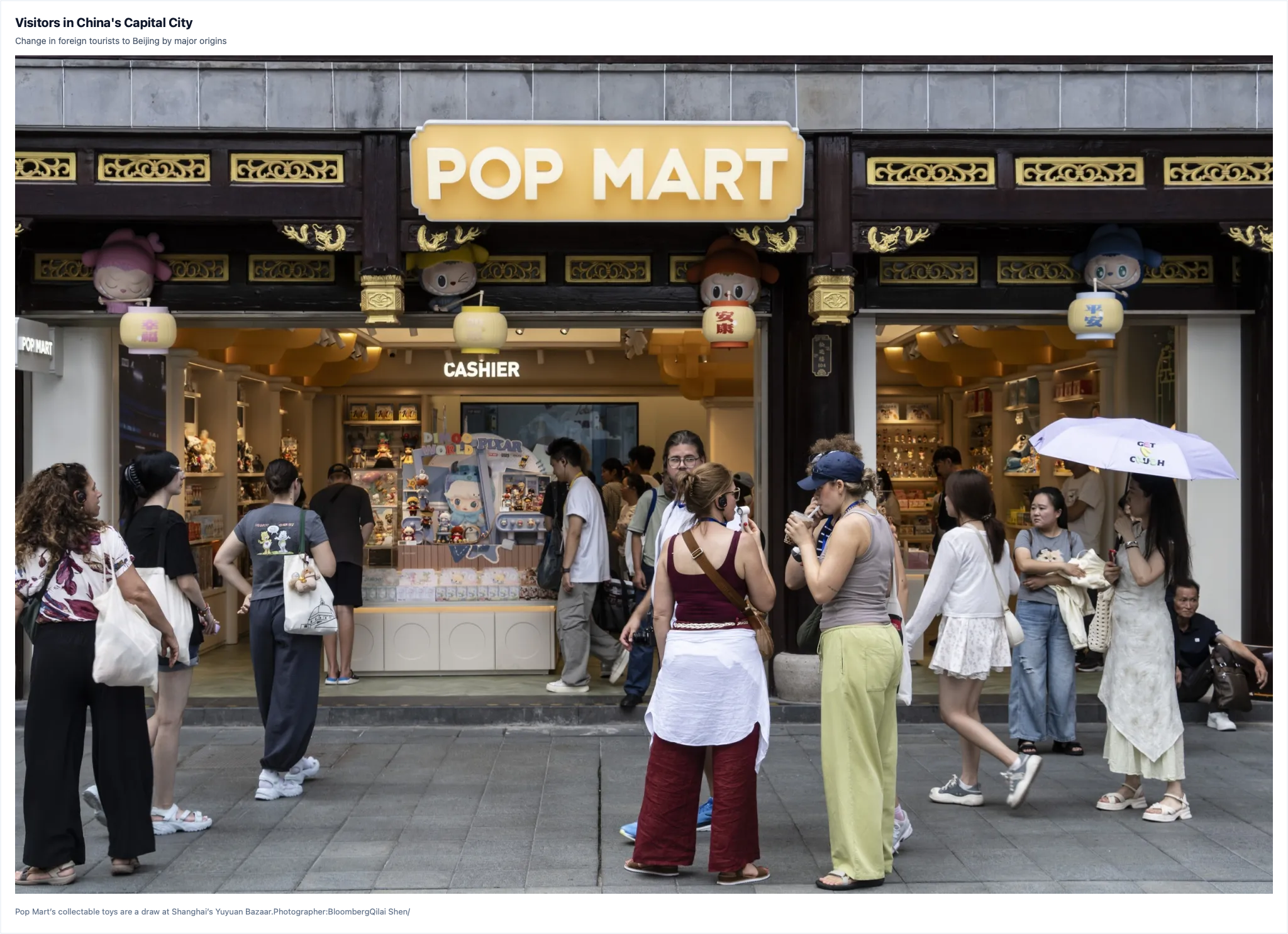
这波游客涌入不仅显著提升了中国的软实力,也为低迷的国内零售与服务业注入了强心针。许多外国旅客纷纷涌向本土品牌店铺、体验高科技产品,并享受价格亲民的在地服务。
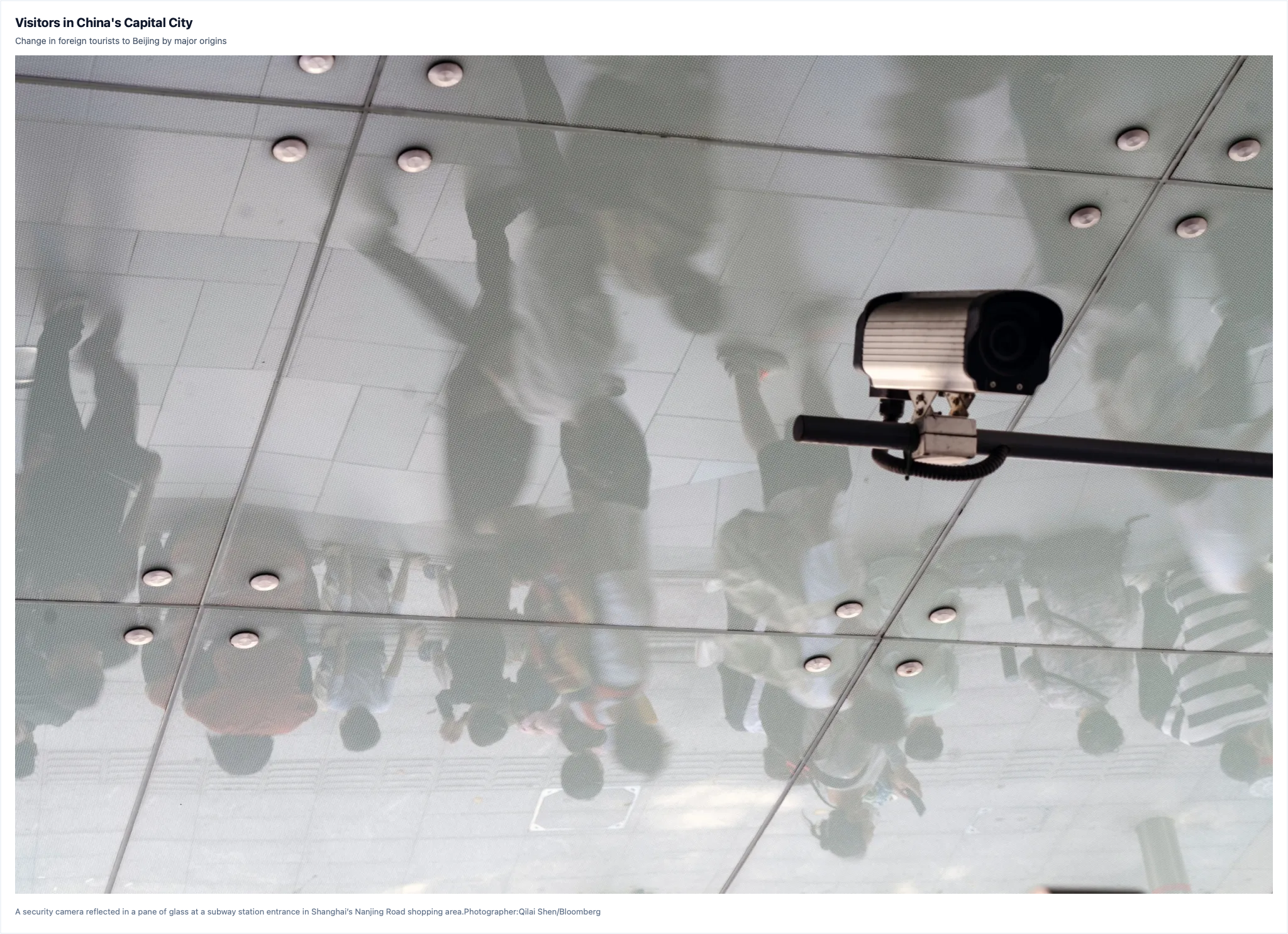
尽管旅游业复苏强劲,外国游客仍面临不少挑战,例如难以适应的无现金支付环境、语言障碍、网路连线限制以及无所不在的监控。不过,目前已有新兴的人工智慧工具与服务介入,协助旅客减轻这些不便。
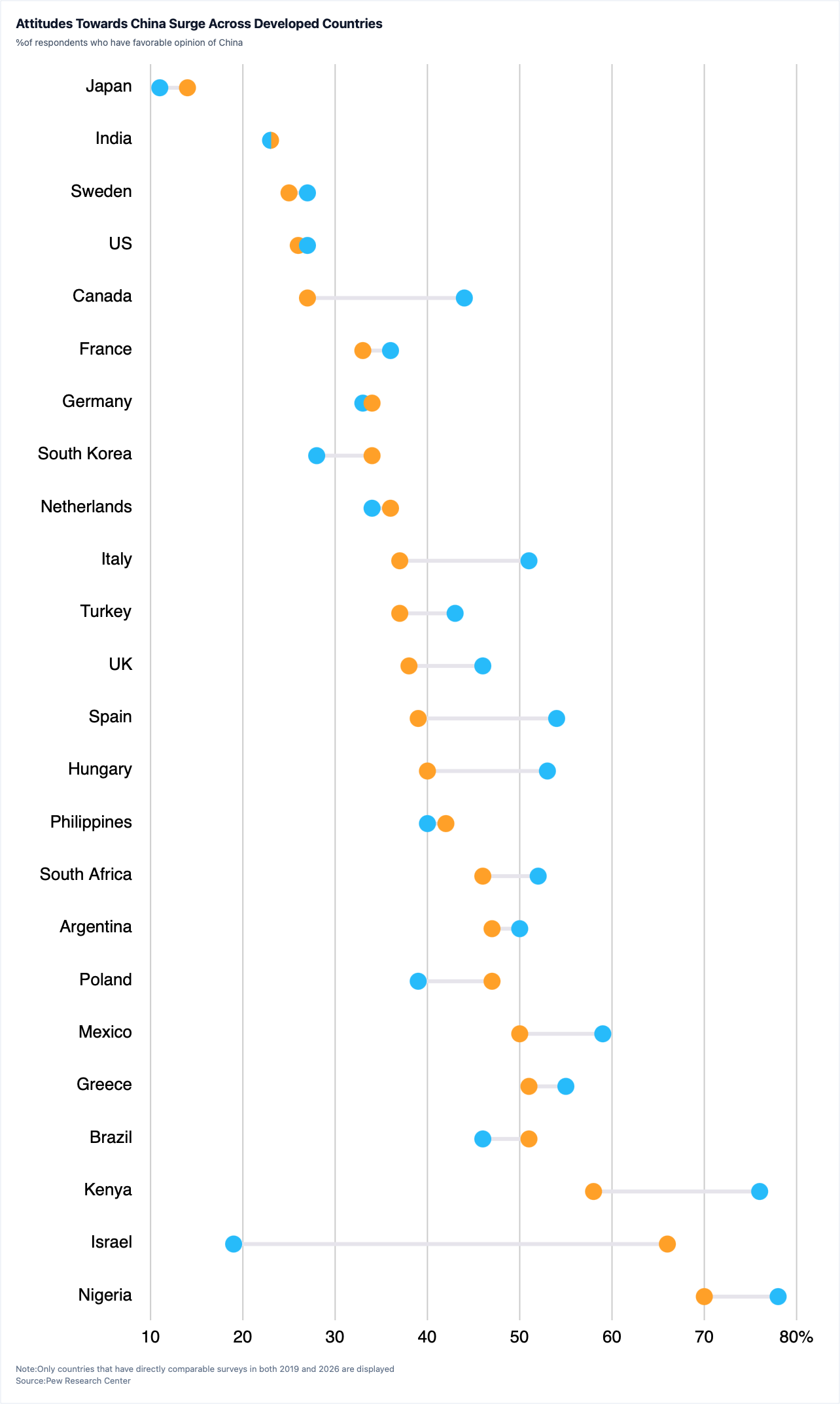
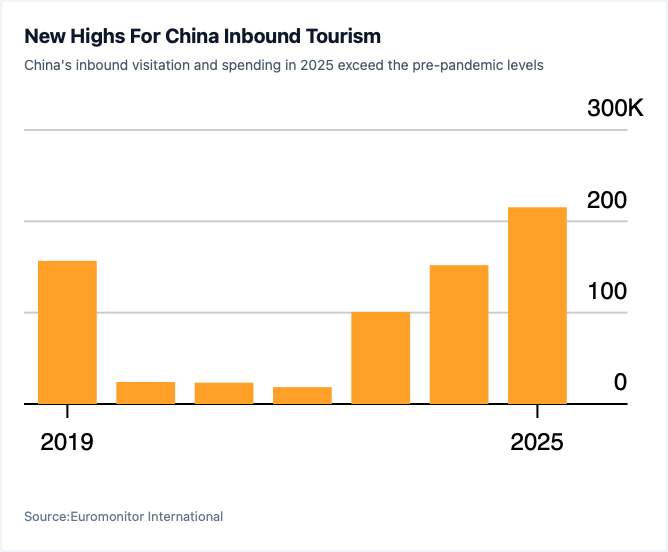


Foreign tourist arrivals in China surpassed pre-pandemic levels for the first time in 2025, marking a significant inbound travel boom. This surge is primarily driven by viral travel content on social media, the gradual introduction of visa-free policies for numerous countries, and proactive online promotional campaigns by the government.
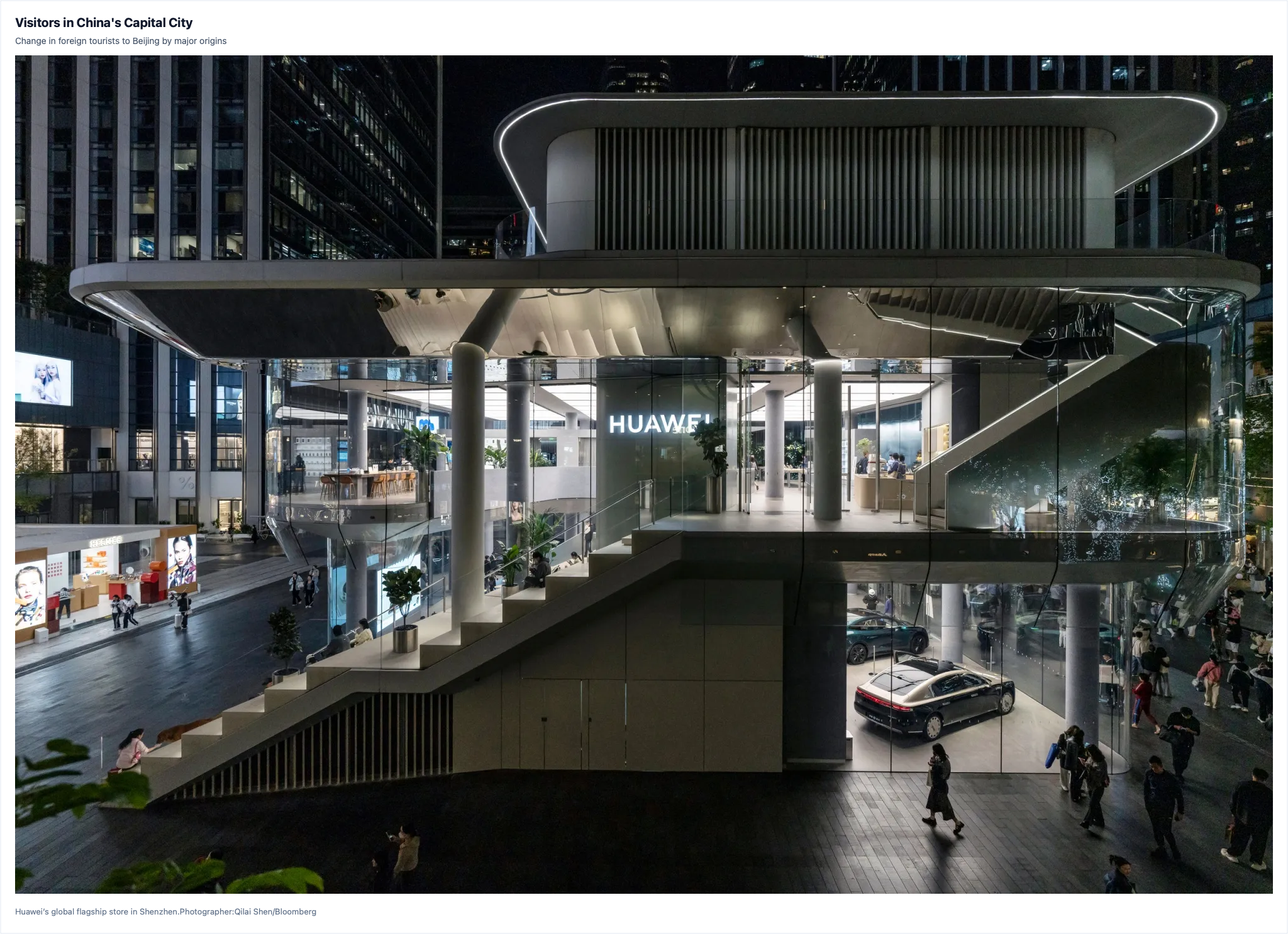
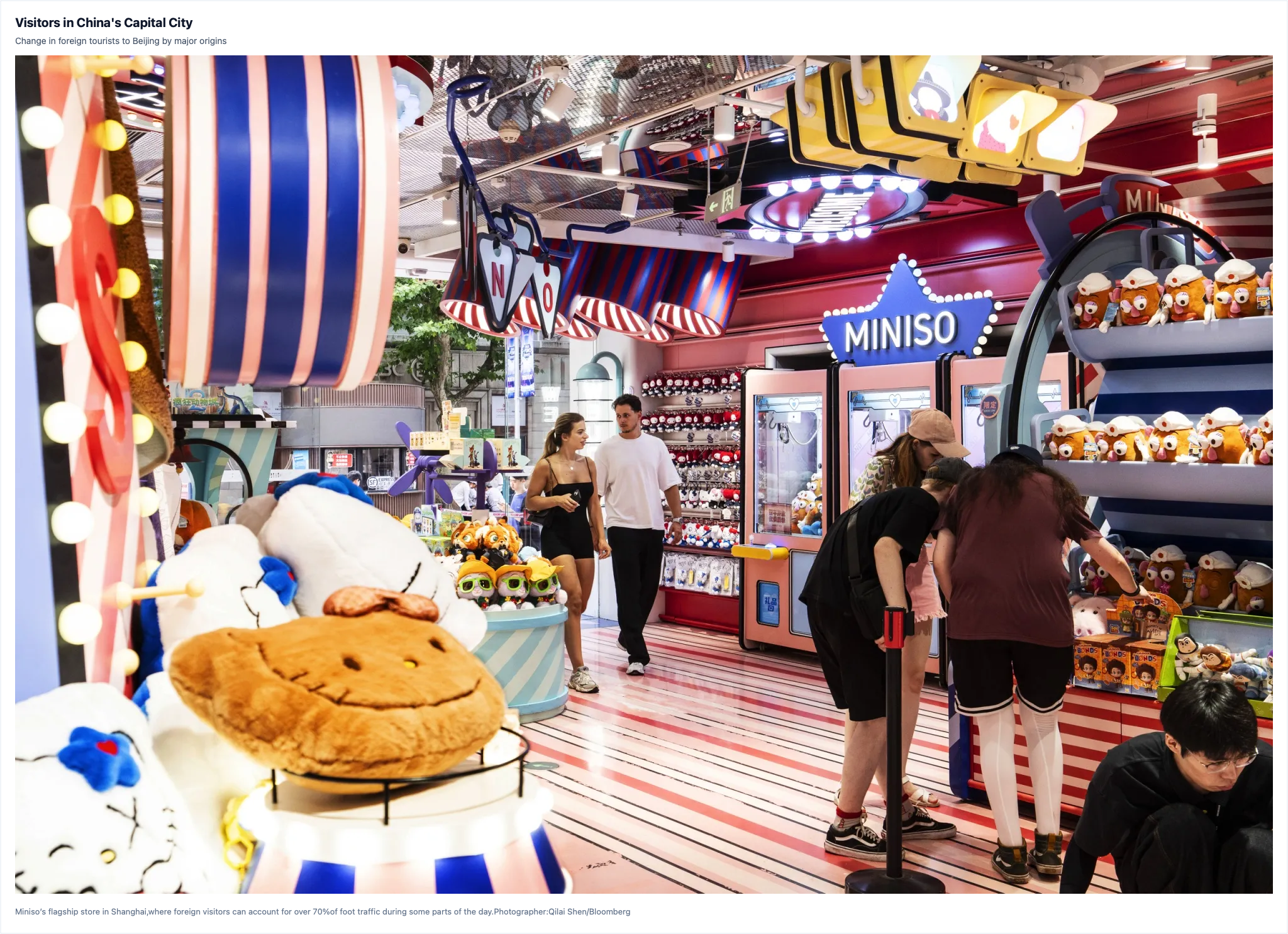
The influx of tourists has not only significantly boosted China's soft power but also provided a much-needed stimulus to the domestic retail and service sectors. Many foreign visitors are flocking to local brand stores, experiencing high-tech products, and taking advantage of affordable local services.
Despite the strong recovery in tourism, foreign visitors still face several challenges, such as a cashless payment environment that is difficult to navigate, language barriers, restricted internet access, and omnipresent surveillance. However, emerging AI tools and services are now stepping in to help travelers ease these frictions.