两家公司在产品定位上展现了鲜明差异:Meta 将其代理 Muse 定位为免费的消费端旗舰产品,借由庞大广告获利支援运算成本并迅速创下数百万下载量;OpenAI 则针对高阶付费用户推出 Dots,主打专业工作、程式设计与深度研究,并质疑单纯处理日常琐事的个人助理缺乏野心。
尽管当前策略不同,两者的发展路径预期未来将会交会,但整体普及的关键仍在于消费者信任;面对多数民众对自动化下单及个资安全抱持的戒心,任何未来的资料外泄或非预期消费事故都可能重创信任,届时可爱的吉祥物将不足以挽救市场信心。
Meta and OpenAI have recently released AI agents featuring childlike mascots to ease consumer anxieties over data privacy, yet these automated assistants require extensive access to personal data like emails and calendars to be effective, driving a rapid race forward amid lingering uncertainties.
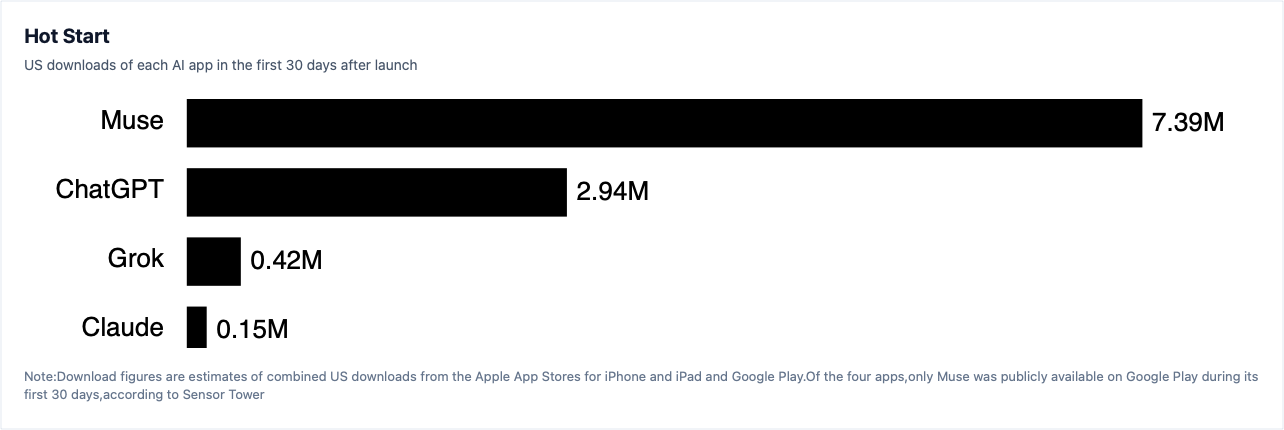
The two rivals have taken sharply divergent initial strategies: Meta positioned Muse as a free flagship consumer product backed by its lucrative ad business and quickly achieved millions of downloads, whereas OpenAI restricted Dots to high-paying tiers for coding and research while criticizing mundane consumer assistants as lacking ambition.
Although their business models may eventually converge on mass-market adoption, the ultimate barrier remains earning consumer trust, as skepticism regarding autonomous purchasing and privacy persists, meaning any severe data breach or rogue transaction could instantly derail the entire sector despite cute branding.