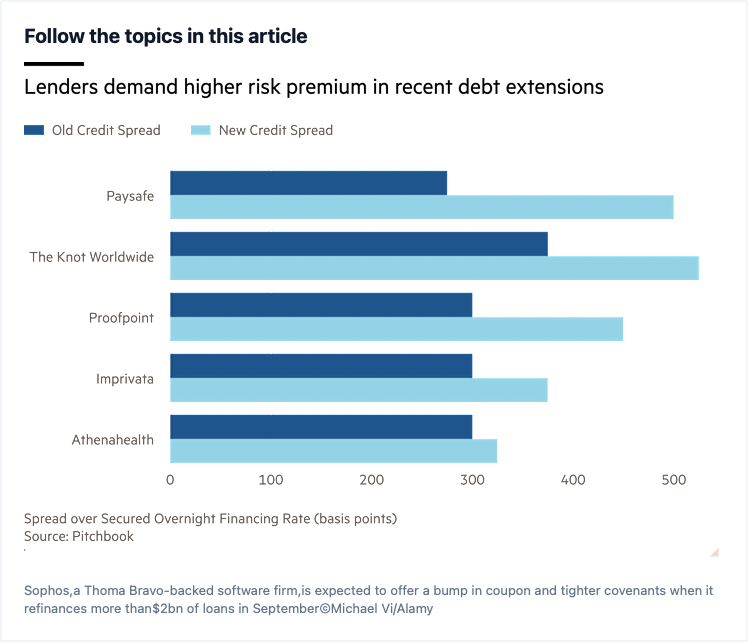
为了换取债务展期并安抚放贷机构,企业必须付出更高昂的代价,例如 Proofpoint 与 Sophos 等公司不仅提高票息收益率,还同意了严格的保护性条款,包括季度电话会议、抵押品保障、限制新增债务与股利发放等「全方位阻挡」条款。
放贷市场的主导权已显著转向债权人,面对许多即将到期的担保贷款凭证(CLO)基金以及高杠杆负担,软体企业除了扩大揭露财务指标外,也开始转向高收益债券市场筹资,以证明自身在面对激烈 AI 挑战与高利率环境下仍具备长期的偿债能力。
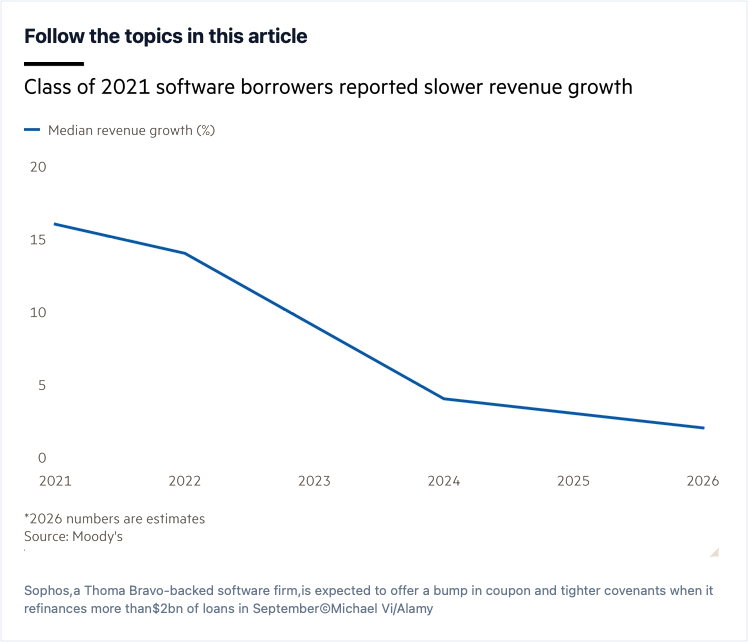
Amid growing investor scepticism over software firms' long-term competitiveness due to rapid AI disruption, private-equity-backed software companies are turning to 'amend-and-extend' deals to push back upcoming debt maturities by two to three years instead of pursuing full seven-year refinancings.
Securing these debt extensions comes at a steep price, with companies such as Proofpoint and Sophos offering higher yields and accepting stringent, creditor-friendly covenants like collateral protections, mandatory quarterly calls, and restrictions on new debt or dividend payouts.
The power dynamic has shifted toward lenders as software companies, heavily leveraged and facing the expiration of older CLO funds, must provide greater financial transparency or tap the junk bond market to convince investors of their long-term solvency in an increasingly challenging AI landscape.