在金沙萨贫困社区,“扎伊尔礼”把刚果语鼓乐、电吉他和合唱舞蹈融入弥撒,吸引了大量信众,而欧洲和美洲许多天主教教堂却常见空位,显示非洲已从边缘成为人数增长核心。依据当前速度,按现有趋势推算,2066年前后世界天主教徒中多达一半可能在非洲,较一个世纪前非洲仅占约1%的人口份额是翻天覆地的转变。
增长既有数量基础,也有组织活力:到2025年,非洲约有2.7亿名受洗天主教徒,较早期增长了140倍,当前全球约五分之一的天主教徒在非洲,而拉丁美洲仍占到四分之二。2023年全球多数地区神父数量下降,但非洲神父人数几乎增长3%,修院候选人也超过设施容量,显示人才供给端同步扩张。
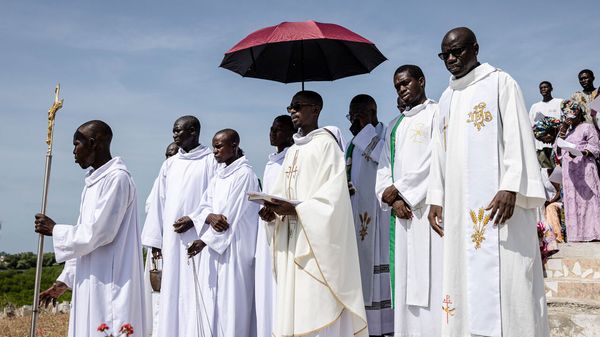
“天主教会在非洲的转型”还体现在角色迁移上,全球约45.5万名基督教传教士中约30%为天主教徒且非洲比例持续上升;非洲修院生与“兼业”传教士形成跨国网络,推动福音外延。然而罗马核心权力仍偏离人口现实:不到40岁以下主教团?在80岁以下选举主教中,非洲人仅占12%,并在性别、性伦理与多配偶婚姻议题上显得更保守,但也同时参与教育卫生与民主监督。
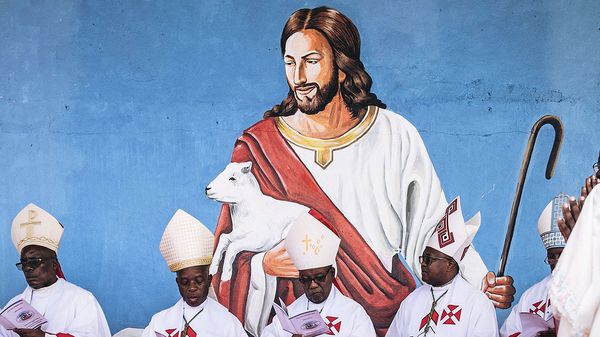
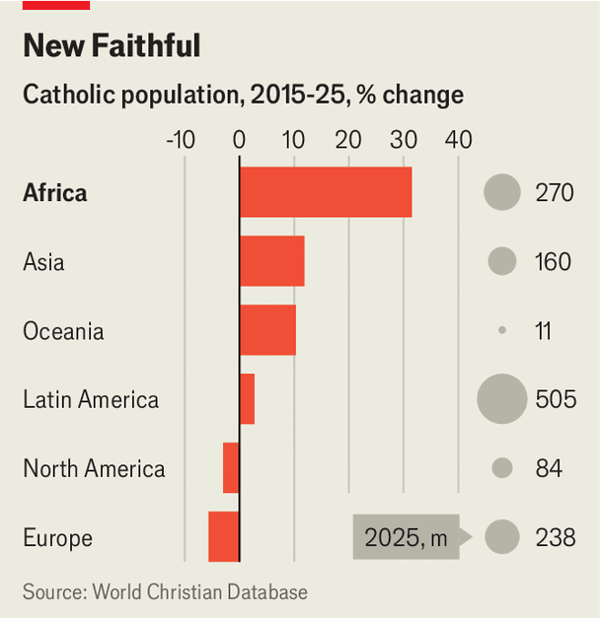
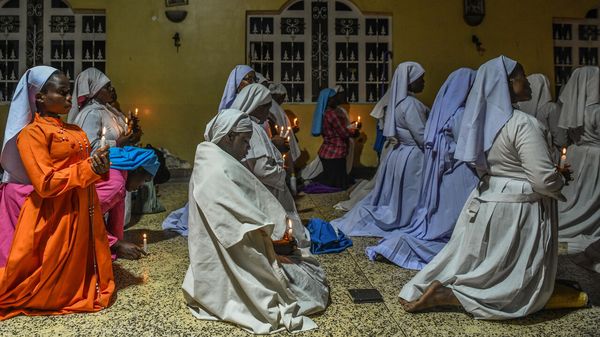
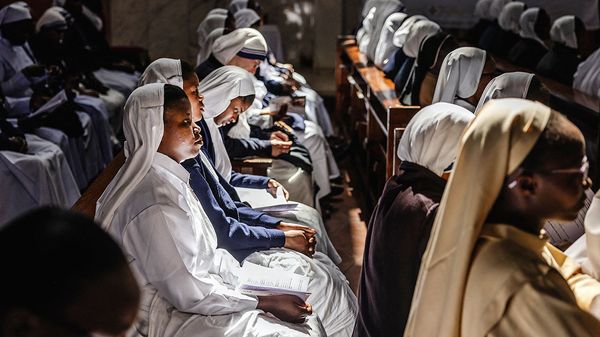
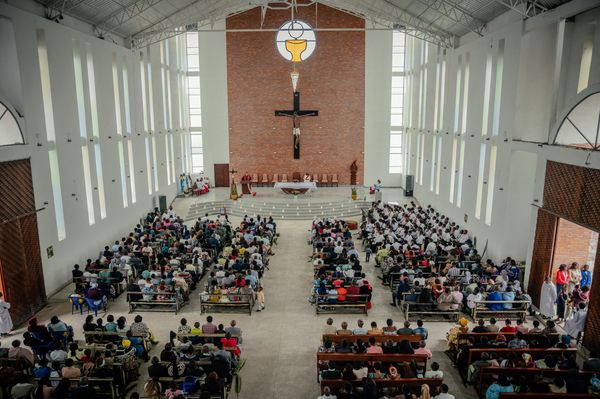
In poor districts of Kinshasa, the “Zairean rite” blends Congolese drums, guitar and choral movement into Catholic liturgy, drawing large crowds while pews in Europe and the Americas are often empty, signaling Africa’s rise as the demographic center of the Church. If trends continue, projections suggest that by 2066 as many as half of global Catholics may be in Africa, versus roughly 1% a century ago.
Growth is both demographic and institutional: by 2025 Africa had about 270 million baptized Catholics, a 140-fold increase, making roughly one-fifth of global Catholics, while Latin America still holds two-fifths. In 2023, priest numbers rose nearly 3% in Africa while declining elsewhere, seminary applicants now exceed capacity, and globally there are about 455,000 Christian missionaries, about 30% Catholic, with the African share steadily increasing.
Institutional power has not yet matched demographics, with Africans only 12% of cardinals under 80, but observers expect more African representation in Rome and possibly an African pope next. The Church’s future appears increasingly conservative in some moral politics—abortion, sexuality, same-sex blessing backlash, and polygamy debates—while African Catholics are deeply embedded in public life and may push Catholicism toward a less Rome-centered “constellation of peripheries” as their global weight keeps climbing.
Source: How Africa is changing Catholicism
Subtitle: The world’s biggest church is becoming less Eurocentric but more unruly
Dateline: 4月 01, 2026 06:04 上午 | Kinshasa, Nairobi and Rome