文中以不断上升的处决与杀戮作为转变指标,并称伊朗在此领域仅次于中国。2026 年被描绘为可能刷新纪录:截至 1 月 13 日,至少 734 名抗议者被杀,该数字来自约 10% 医院与约一半省份的回报;Iran Human Rights 估计真实死亡数在数千。官员将抗议者称为「enemies of god」,使死刑指控与加速审判成为可能。2024 年在缺乏大规模抗议的情况下,至少 975 人被处决。
文中称体制内「moderates」失去曾经缓冲政权的灰色地带。President Masoud Pezeshkian 放松对服饰与文化规范的执法,引发广泛可见的公然违抗,但无法遏止货币崩跌与生活成本飙升,致使传统市集商人与更多群体加入反 Ali Khamenei 的抗议。文章主张制裁只是次要因素,更深层原因是腐败与军事化控制,且 Ali Khamenei 的圈层与 Islamic Revolutionary Guard Corps (IRGC) 掌控扩大,因此唯一疗法是政权更替。对外选项被描述为乏力:Donald Trump 的 25% 关税威胁或可压缩收入,但未必能阻止枪杀;空袭或网攻则可能失败并引发反噬。
Published Jan 15, 2026 at 03:11 UTC+8 (original: 03:11 GMT+8), the piece frames Iran’s crisis as a shift from “authority” to coercive “power” in Hannah Arendt’s terms. Supreme Leader Ali Khamenei has shaped the system for about 36 of its 46 years, and the remaining nonlethal tools of social control are described as spent. Consent is depicted as limited to a hard core of beneficiaries and true believers.
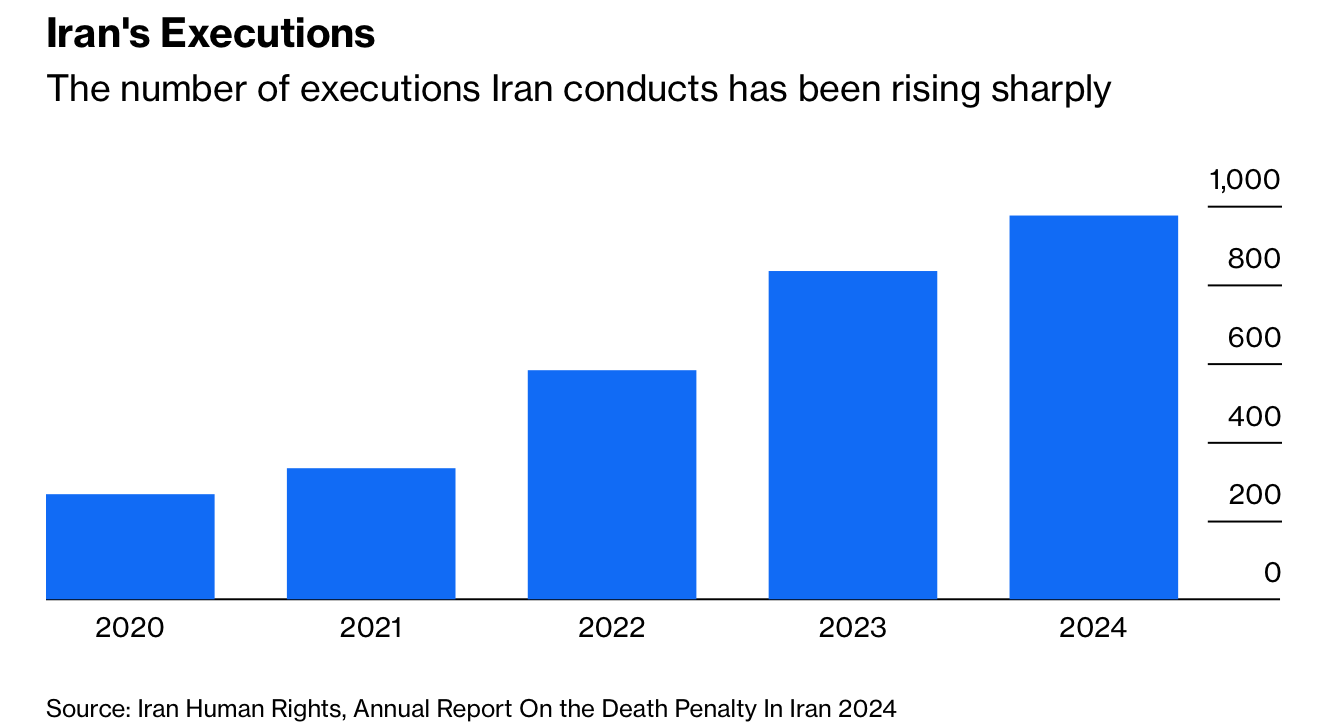
The transition is tracked by rising executions and killings, with Iran described as second only to China. 2026 is presented as record-setting: by Jan 13, at least 734 protesters had been killed, based on reports from about 10% of hospitals and roughly half of provinces; Iran Human Rights estimates the true toll is in the thousands. Officials call protesters “enemies of god,” enabling death-penalty charges and expedited trials. In 2024, at least 975 people were executed absent major protests.
Internal “moderates” lose the grey zone that once buffered the regime. President Masoud Pezeshkian relaxed enforcement of clothing and culture rules, producing widespread visible defiance, but could not contain currency collapse and living-cost spikes that drew bazaar traders and others into anti-Khamenei protests. The article argues sanctions are secondary to corruption and militarized control by Khamenei’s circle and the Islamic Revolutionary Guard Corps (IRGC), making regime change the only remedy. US options are portrayed as weak: Donald Trump’s 25% tariff threat may squeeze revenues yet not stop shootings; air strikes or cyberattacks risk failure and backlash.