然而,金融专家与学者对此现象提出严正警告,强调 AI 虽然让复杂的量化交易看似简单,但散户往往缺乏专业机构在风险控管与系统监管上的严密机制。当市场面临剧烈波动或下行时,这些缺乏抗压性设计的 AI 模型可能会导致严重的资金亏损。此外,如果大量投资者使用相似的 AI 模型与数据来源,恐将加剧市场的同质性行为,进而引发更频繁且剧烈的市场震荡。
尽管存在潜在的高风险,部分早期采用者仍对 AI 交易保持谨慎乐观的态度,并持续透过前瞻测试与严格的停损机制来改良他们的系统。对这些投资者而言,AI 的最终目的并非完全取代传统且稳健的指数型基金投资,而是希望借由自动化系统赚取额外的生活开销,实现更大程度的财务自由,同时免去人类在交易过程中容易产生的情绪偏见。
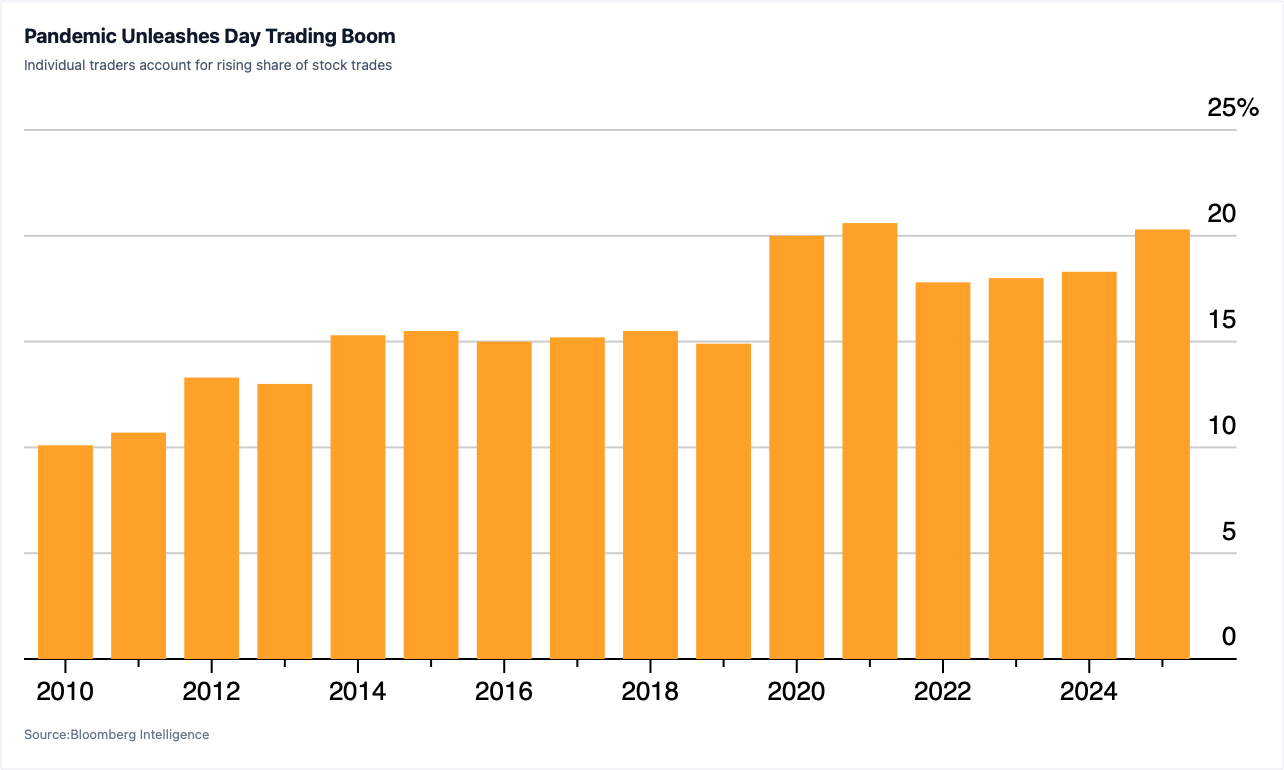
In recent years, a growing number of retail investors have started leveraging artificial intelligence to build their own automated trading bots, attempting to replicate the quantitative strategies of large hedge funds. By using AI models like Claude, these individuals can rapidly write code that analyzes historical data and executes trades automatically, with some successfully achieving returns that outperform the broader market. This trend is not only fueling a boom in day trading but also prompting brokerages to roll out new tools and platforms that integrate AI capabilities.
However, financial experts and quantitative researchers are issuing stark warnings about this phenomenon, emphasizing that while AI makes complex trading look deceptively simple, retail investors lack the rigorous risk controls and oversight systems employed by professional firms. When faced with severe market volatility or downturns, these AI models, which are often not designed for such environments, can lead to significant financial losses. Furthermore, if a large number of investors rely on similar AI models and data sources, it could amplify homogeneous market behavior and trigger more frequent and severe market swings.
Despite the high potential risks, some early adopters remain cautiously optimistic about AI trading and are continuously refining their systems through forward testing and strict stop-loss mechanisms. For these investors, the ultimate goal of AI is not to entirely replace traditional, stable investments like index funds, but rather to use automated systems to cover daily expenses and achieve greater financial freedom, all while eliminating the emotional biases that humans typically bring to trading.