尽管有人警告会出现“摧毁岗位的海啸”,近期劳动力数据仍显平静:在美国,自 ChatGPT 发布以来,白领就业增加了 300 万,而蓝领就业保持不变,即使在编码等快速采用领域也是如此。这个模式表明,大规模岗位替代尚未显现。
一个关键刹车是 AI 的“锯齿状前沿”:它在某些任务上表现强,但也会自信地犯错,迫使企业和员工花时间寻找可靠的使用场景。扩散与流程重构同样需要多年:电力在 19 世纪 80 年代实现商业化,却大约用了 40–50 年才提升工厂生产率。
风险更集中在脚本化的后台与入门级任务(数据处理、报告摘要),因此政策与管理应利用扩散滞后来再培训员工、保持劳动力市场灵活,并将教育改革为教授与 AI 互补的技能。企业应避免停止招聘那种会切断人才管道的做法,而应把初级工作转向判断与分析并加快轮岗,同时为部分员工准备新角色。
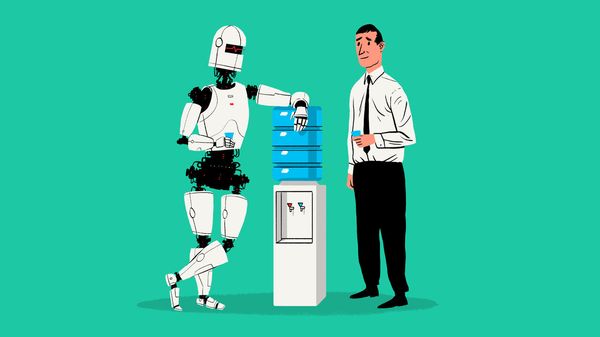
Despite dire warnings of a job-crushing “tsunami,” recent labor data look calm: in the United States, white-collar employment is up 3 million since ChatGPT’s launch, while blue-collar employment is flat, even in fast-adopting areas like coding. This pattern suggests displacement is not yet showing up at scale.
A key brake is AI’s “jagged frontier,” where strong performance on some tasks coexists with confident errors, forcing firms and workers to spend time finding reliable use cases. Diffusion and process redesign also take years: electricity was commercialized in the 1880s yet needed roughly 40–50 years to lift factory productivity.
The risk concentrates in scripted back-office and entry-level tasks (data crunching, report summarizing), so policy and management should use the diffusion lag to retrain workers, keep labor markets flexible, and overhaul education toward AI-complementary skills. Firms should avoid a hiring freeze that would cut off the talent pipeline, instead shifting junior work toward judgment, analysis, and faster rotations while preparing some workers for new roles.
Source: Stop panicking about AI. Start preparing
Subtitle: There is time to adapt. Use it wisely
Dateline: 1月 29, 2026 06:16 上午