除了国营企业主导的传统核电项目外,越来越多获得创投资金与国家研究机构支持的民营新创公司正积极布局。例如,由前国企总工程师创立的君合原子(Junhe Atomic)正致力于开发小型模组化反应炉,计划于2031年左右推出示范项目,并考虑将反应炉部署于老旧燃煤电厂厂址,以填补人工智慧所带来的电力缺口并活化现有资产。
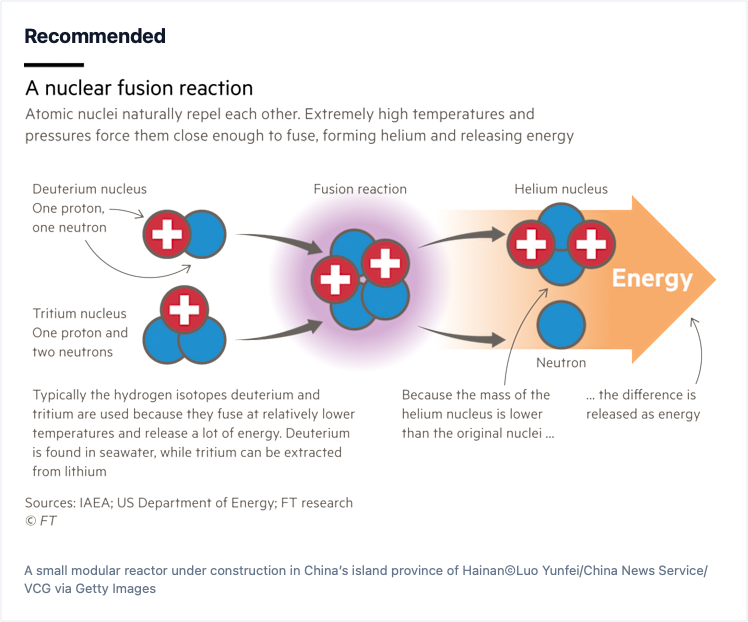
在核融合领域,上海新创公司新聚变科技(NovaFusionX)正采用场反转配置(FRC)技术路径推进研发,目标在2029年达成能量净增益,并于2030年代初建设首座示范反应炉。中国政府已将核融合列为关键科技领域,其动员的研发投资与完整的制造产业链,使本土企业在与美国同侪竞争满足AI未来庞大能源需求的竞赛中展现出强大竞争力。
The boom in energy-intensive AI data centres is rapidly accelerating China's nuclear power research as the nation races to deploy a new generation of reactors. China accounts for more than half of the conventional nuclear plants currently under construction worldwide, while aggressively pouring capital into small modular reactors (SMRs) and nuclear fusion. Supported by centralized planning, rapid infrastructure deployment, and robust supply chain self-sufficiency, Beijing is well-positioned to dominate the nuclear energy sector as Western nations face regulatory and capital bottlenecks.
Beyond state-owned giants dominating conventional projects, private startups backed by venture capital and state affiliations are actively pursuing advanced nuclear innovations. Junhe Atomic, an SMR developer founded by a former state nuclear executive, has secured tens of millions in funding to build a demonstration reactor targeted for operation around 2031. The company envisions deploying compact reactors at retiring coal power plants, addressing AI-induced electricity shortages while repurposing existing industrial infrastructure and workforce.
In the frontier of nuclear fusion, Shanghai-based NovaFusionX is advancing field-reversed configuration (FRC) technology to deliver net energy gain by 2029 and build a commercial demonstration reactor by the early 2030s. With nuclear fusion prioritized in national economic development plans, substantial state and private funding, and an unmatched domestic manufacturing supply chain, Chinese ventures are aggressively positioning themselves to lead the global fusion race and power future AI computing.