狮子星云独特外观的动力来源于其中心一颗垂死的低质量恒星。这颗恒星在耗尽核心燃料后,脱落外层形成了行星状星云,并留下一颗高温的白矮星。这颗白矮星的辐射正在从内部加热周围物质,产生了不断膨胀的游离气体泡(狮子面部),并照亮了周围的尘埃壳层(狮子鬃毛)。
韦伯望远镜的影像如同将这个行星状星云的时间冻结,但恒星死亡所带来的剧烈影响仍在持续。随著气体和尘埃继续远离恒星核心,NGC 2392 将不断发生变化,天文学家估计这只「狮子」最终会在约一万年后消散,这在天文学尺度上是一段相对短暂的时间。
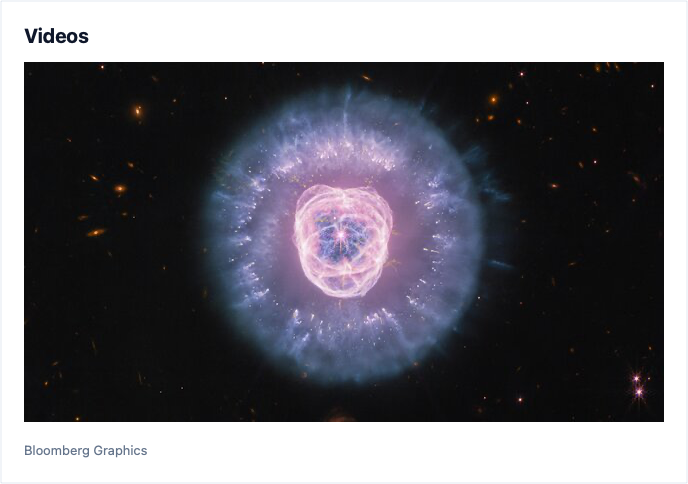
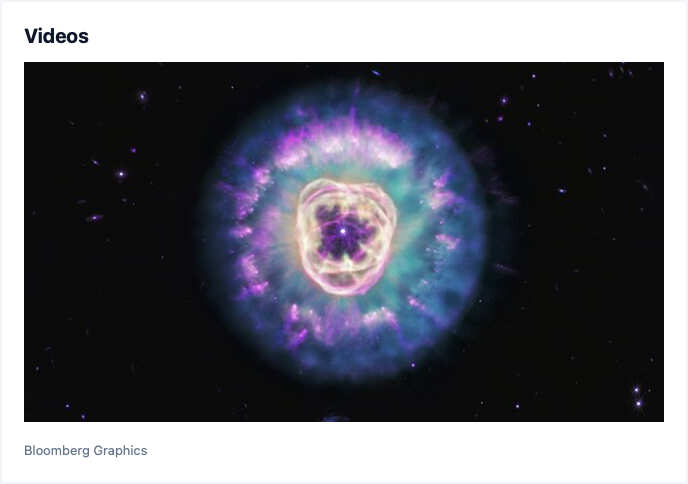
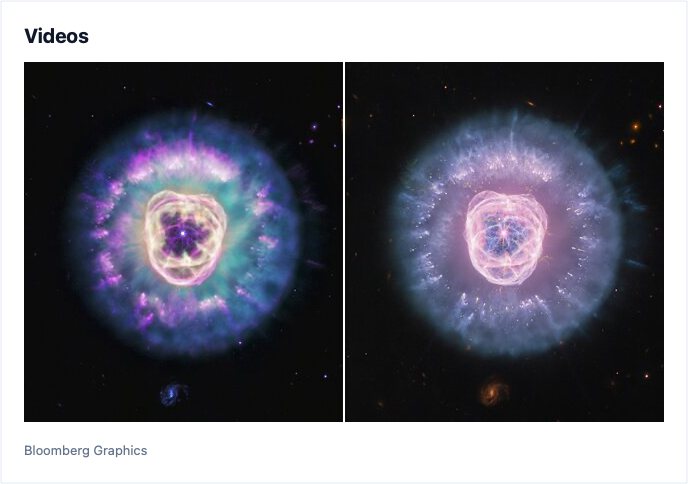
The James Webb Space Telescope recently captured a clearer, more detailed image of NGC 2392 (the Lion Nebula) using its high-resolution infrared instruments, compared to previous Hubble images. While the overall structure appears similar, Webb's infrared perspective highlights details like compact dust clumps and ionized gas, showcasing the results of the nebula's evolution over thousands of years.
The driving force behind the Lion Nebula's distinct appearance is a dying, low-mass star at its center. After exhausting its core fuel, the star shed its outer layers to form a planetary nebula, leaving behind a very hot white dwarf. The radiation from this white dwarf is heating the surrounding material from the inside, creating an expanding bubble of ionized gas (the lion's face) and illuminating the surrounding dust shell (the lion's mane).
Webb's imagery freezes this planetary nebula in time, yet the tumultuous effects of the star's death are ongoing. As the gas and dust continue to migrate away from the stellar core, NGC 2392 will keep undergoing changes, and astronomers estimate that the "lion" will eventually disperse in approximately 10,000 years, a relatively short period on astronomical scales.