尽管太阳能、风能与储能技术成本大幅降低进入清洁能源黄金时代,但人工智慧与科技产业对高耗能资料中心的庞大需求,使得化石燃料电厂的兴建计划反向激增。与此同时,全球政治风向正转向反对气候政策,包含美国打压再生能源、中国削减补贴、欧洲政策退缩等,使得干净能源的扩张仅是填补了额外激增的用电需求,未能真正淘汰污染能源。
面对愈加严峻的气候冲击,公众虽在民调中表达高度关切,却持续选出削减气候行动的政治人物。作者强调,即便 1.5 度的防线失守,努力减少每一分升温依然至关重要,升温 1.8 度远比 2 度好;人类不应如温水煮青蛙般将极端灾难常态化,而必须尽早落实积极的减碳行动,在承受不可逆的崩溃代价前及时止损。
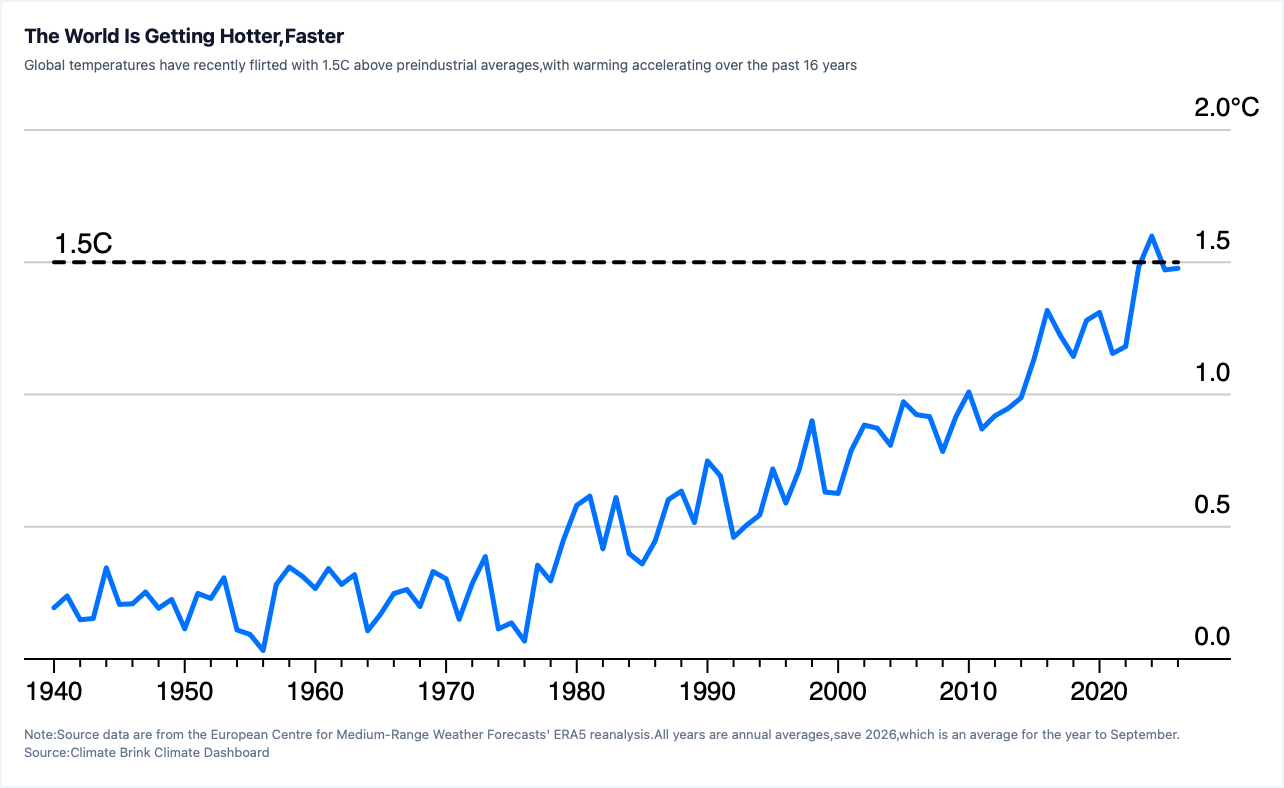
A recent United Nations Environment Programme report reveals that humanity's target of limiting global warming to 1.5 degrees Celsius is virtually out of reach, putting the world on track for at least 1.8C and potentially 2.6C of long-term warming. With average warming already at 1.3C alongside a record-strength El Niño and deadly heatwaves, wildfires, and floods worldwide, vital climate tipping points risk collapsing, causing permanent damages that unproven carbon removal technology alone cannot reverse.
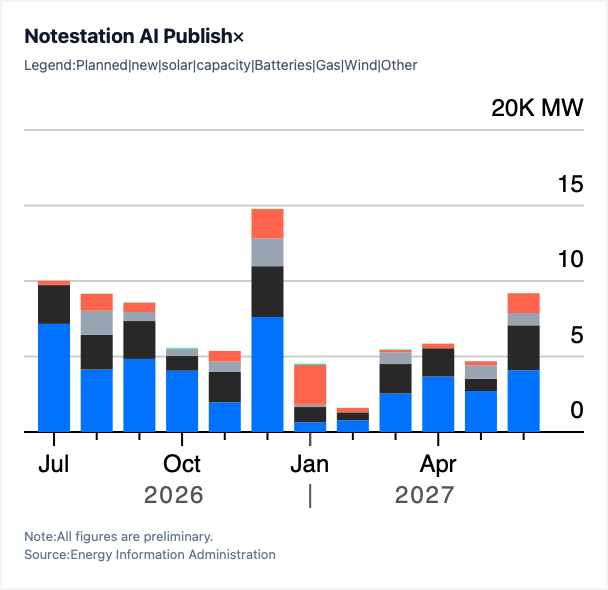
Although clean energy has entered a golden age driven by falling costs in solar, wind, and battery technologies, the skyrocketing power demand from energy-intensive data centers has spurred massive expansions in fossil fuel capacity. Simultaneously, political headwinds across key nations—including US policy reversals, reduced renewable subsidies in China, and weakened commitments in Europe—mean that green power additions are merely supplementing expanding demand rather than displacing dirty fuels.
Despite experiencing escalating climate devastation, voters frequently support politicians who dismantle environmental regulations, illustrating an alarming human capacity to normalize extreme risks like boiling frogs. However, the author insists that fighting for every tenth of a degree remains crucial—limiting warming to 1.8C is far better than 2C—and humanity must urgently mobilize before reaching irreversible ecological and societal tipping points.